
Movie Reviews
Slum Dog, 33 Temple Road Movie Review (2026)

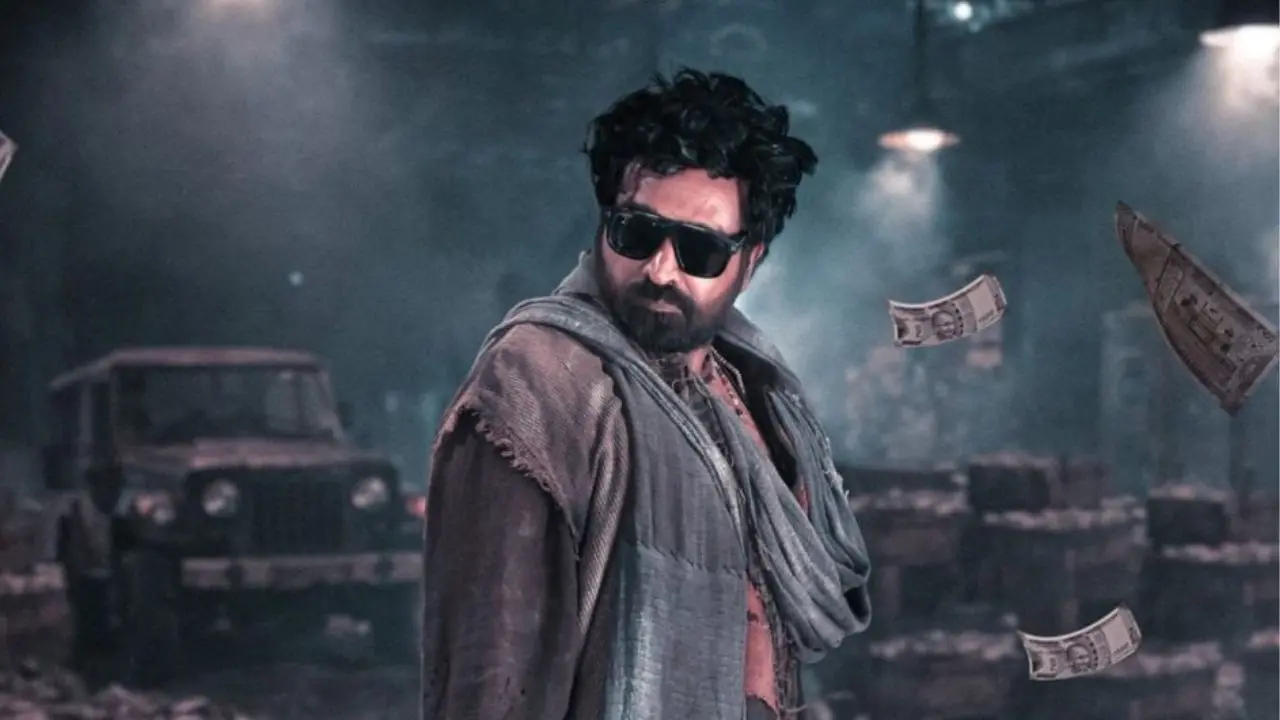
If you’ve seen the first-look posters for Slumdog – 33 Temple Road, you already know it isn’t going for subtle. Vijay Sethupathi appears in a rough slum get-up, money in the air, and a huge sickle raised; it’s loud, gritty, and made to spark opinions.
This review is a pre-release read because the film is set for 14 May 2026, and it’s still in post-production. So, it’s based on the official posters, the short glimpse video, the confirmed cast and crew (including Puri Jagannadh, Samyuktha Menon, and Tabu), and the public plot outline.
You’ll get a clear sense of what the film seems to be trying to do, what looks promising, and what still feels like a question mark until a proper trailer lands. If you like action thrillers, or you turn up for Vijay Sethupathi’s darker roles, this is one to keep on your watchlist.
What Slumdog, 33 Temple Road,d looks like is trying to be
From the material out so far, Slum Dog, 33 Temple Road looks like it wants to hit you with street-level struggle first, then crank up into a money, violence, and consequence-heavy action thriller. The first-look imagery sells a film where survival is a daily job, and one break can quickly turn into a trap.
It’s also being positioned as a wide-release, mass-audience title, with plans for a multi-language run in Tamil, Telugu, Hindi, Kannada, and Malayalam. That usually signals a story told in big, clear strokes, with character and conflict that can travel beyond one region. What’s still not confirmed is the finer detail: who exactly controls the slum, what the “33 Temple Road” address is, and how the key relationships shake out.
The basic story setup, in simple terms
The public outline points to a simple engine that tends to work well in action thrillers: daily survival, then a big chance, followed by new dangers that arrive with that opportunity. In other words, the lead is not starting from a comfortable place, and the film seems serious about showing the pressure of getting through each day.
Next comes the part that suggests the film’s bigger shape. Once that “chance” appears, the story shifts into hard choices with consequences, not just for one person, but for everyone close enough to get pulled into the blast radius. That’s where the stakes start feeling human, not just cinematic.
Finally, the outline hints at escape and payback, which sets expectations without giving away the route. It tells you the character won’t simply endure, he’ll react, and the world around him will react back. If you want the cleanest summary, it’s this: a man in a slum gets one shot at changing his life, and the cost arrives fast.
For a report that matches this general setup (without a full plot breakdown), see The Hindu’s first-look coverage.
Setting and tone, gritty survival or stylish action
The first look does not whisper. You’ve got a slum backdrop, a fierce, weathered look, and props that scream danger: a raised sickle, bundles of cash, and the sense that violence and money sit in the same room. That combination signals a tone that’s raw and high-stakes, where power changes hands in ugly ways.
At the same time, the image is also highly composed. Money flying through the air isn’t realism, it’s attitude. That’s where Puri Jagannadh’s usual balancing act comes in: he often pairs grounded grit with bold, headline-style moments that play like a punchline you can’t ignore. If this film follows that pattern, expect the slum setting to provide texture, while the action beats push for scale and spectacle.
One key point for a pre-release read: the posters sell ruthless energy, but they don’t confirm how much of the film stays close to survival drama versus how quickly it becomes a full-on crime action ride. For more on the first-look tone and the “RAW. RUTHLESS. REAL.” positioning, India Today’s poster write-up gives a useful snapshot.
The early marketing seems to promise two things at once: the mud of street life, and the flash of big-ticket action.
What the title and address hint at
An address in a title usually isn’t decoration. Still, until a trailer or official synopsis spells it out, any meaning for 33 Temple Road is educated guesswork. Here are a few plausible reads that fit the way films use specific locations.
- A key location for the “big chance”: 33 Temple Road could be where the lead stumbles into money, work, a deal, or a dangerous contact.
- A pressure point for conflict: it might be a hotspot where gangs, police, or local power brokers collide, turning one street into a battleground.
- A symbol of escape and control: the address could represent a door out of the slum, or a trap that looks like freedom until it snaps shut.
What feels clear is the intention: the film wants you to remember that address, like a scar you keep touching because it still hurts. If the marketing keeps repeating it, chances are it’s not just where the story happens, it’s where the story turns. For a quick overview of how the project is being framed as a pan-Indian action thriller, The Telegraph India’s announcement piece is a solid reference.
Cast and crew, why are the names attached to this make it worth watching
With a film like Slum Dog, 33 Temple Road, the cast and crew matter as much as the premise. The first-look material has already set a gritty tone, so the real question is whether the people behind it can keep that energy going for a full feature. On paper, this line-up can, because it blends intense performers with a director known for bold choices, plus a composer who understands pressure-cooker moods.
Vijay Sethupathi in a rough-edged lead role
The first look sells Vijay Sethupathi as a man operating on survival instincts, not polite social rules. The styling does a lot of the storytelling, the unpolished clothes, the heavy attitude, the sense that he’s one bad moment away from snapping. Even without a confirmed character name, the body language suggests a lead who’s angry, desperate, and hungry for control.
What stands out is how the imagery frames power. There’s money in the air, a weapon in hand, and a stare that doesn’t ask for permission. That combination often points to a character who has learnt that fear travels faster than respect. Fans have reacted strongly to that raw poster vibe because it reads like a return to a more feral screen presence, the sort that can turn a simple scene into a standoff.
If you want a quick snapshot of how the first poster landed with the public, News9’s reaction round-up captures the “shock factor” response well. Still, a poster can only promise heat; the trailer will need to prove there’s a real fire underneath.
Samyuktha Menon and the emotional centre of the film
A grounded emotional role can lift an action thriller from loud to memorable. Big action beats are easier to stage than real emotional stakes. When the lead has someone to lose, every punch and chase has weight, because it’s no longer just about winning, it’s about not falling apart.
That’s why Samyuktha Menon’s presence matters here. In many “mass” action films, the risk is an underwritten part that exists only to react, worry, or disappear when the plot gets busy. If her role is written with care, she can become the story’s pressure gauge, showing what the violence costs in normal human terms.
When a proper trailer drops, a few tells will reveal whether the film treats her character as essential:
- Agency: dDoesshe make choices, or does the story only make choices for her?
- Impact: Do her actions change the lead’s decisions, or the direction of the plot?
- Point of view: Do we get scenes where she drives the emotion, not just reflects it?
If those pieces are in place, the film’s roughness will feel earned, not just painted on.
Tabu and strong supporting players, the difference they can make
Casting Tabu usually signals scenes that don’t play in straight lines. Even in a supporting role, she tends to bring quiet authority, the kind that can make a conversation feel like a negotiation. In a film that looks as aggressive as this one, her presence can add contrast, because she doesn’t need volume to feel dangerous.
The supporting list also hints at variety in tone. Duniya Vijay Kumar can bring hard intensity, which suits street-level conflict. Brahmanandam and VTV Ganesh suggest there’s room for comic texture, not broad silliness, but breathing space between heavier stretches. Used well, that mix can stop the film from becoming one long shout.
None of this guarantees depth, of course. Still, it’s a promising toolkit: one actor to sharpen the edges, one to soften the human moments, and others to keep the world feeling lived-in.
Puri Jagannadh plus Harshavardhan Rameshwar, style, pace, and sound
Puri Jagannadh’s direction often comes with punchy dialogue, bold confrontations, and action staged for impact. That style can fit the first-look promise, because the marketing already points towards a story told in strong strokes, not whispers. So if you like momentum, this pairing makes sense.
The music choice matters just as much. Harshavardhan Rameshwar is known for creating driving beats and tense themes that push scenes forward, rather than sitting politely in the background. Since no teaser track is out yet, the best way to judge the early musical direction will be to listen for:
- A signature motif for the lead, even a simple phrase that returns under stress.
- Gritty sound design, where percussion and texture feel like the street, not a studio.
- A sense of controlled chaos, with rhythm that builds pressure instead of chasing noise.
If the teaser music lands with a clear identity, it’ll be a strong sign that the film’s mood is being shaped carefully, not left to chance.
Action, visuals, and music, what the early materials suggest
Pre-release material can feel like a handshake in a dark room. You don’t get the full story, but you do learn the grip. With Slum Dog, 33 Temple Road, the early posters and the wrap-style glimpse (plus the known production timeline) point to a film selling intensity first, and fine detail later.
We also know some practical context: major action blocks reportedly wrapped in Oct 2025, and the film moved through post-production into Jan 2026. That matters because it hints at how much of the final impact will come from the edit, sound mix, and score, not just what happened on set.
The first look at posters, what details stand out
The first-look posters push a specific set of signals, and they’re not subtle. Vijay Sethupathi’s wild hair and thick beard read like a man who’s been running on fumes for a long time. Add the sickle in hand and cash bundles flying around, and the image lands in familiar action-thriller territory: crime, survival, and the ugly maths of power.
The slum setting does double duty. On one hand, it suggests a grounded struggle, tight lanes, crowded rooms, and choices made under pressure. On the other hand, the money-in-the-air styling is pure marketing theatre, a big gesture designed to promise scale.
A few genre expectations these visuals usually set:
- Crime as opportunity: cash implies a “one big chance” hook, often tied to theft, smuggling, or a high-risk job.
- Survival as identity: rough grooming and hardened posture suggest the lead doesn’t get to be soft, even at home.
- Power struggles: the sickle signals threat and control, and it hints at violence that feels personal.
Still, posters can be a mask. They sell a mood, not the full movie. Sometimes they even mislead, either by exaggerating grit or hiding humour and emotion that play better in motion. For another take on the “raw and ruthless” poster positioning, see Pinkvilla’s first-look write-up.
The glimpse video, what it tells us, a nd what it cannot tell us
A wrap glimpse (the type that shows the set, the crew, and end-of-shoot energy) is mainly about vibe, not plot. You’re watching faces, movement, and scale hints, not story beats. If everyone looks spent but buzzing, that often suggests physically demanding sequences, long nights, and big crowd setups.
What it can show you:
- Mood and texture: sweaty, cramped spaces, harsh light, dust, and bodies packed into frames.
- Scale clues: how many people were involved, how large the setups were, and whether the action looked street-level or staged wide.
- Confidence level: the cast and crew’s energy can suggest momentum, even if it proves nothing.
What it cannot show you is the real test: pacing, dialogue rhythm, and clarity. A full trailer still hasn’t landed, so it’s smart to wait for a story-focused cut before judging whether scenes breathe, or if everything gets chopped into noise. For background on the project and its positioning, The Hollywood Reporter India’s overview is a helpful reference point.
A wrap glimpse is like hearing a crowd outside a stadium, you know it’s loud, but you don’t know the score.
Prediction: Given Puri Jagannadh’s style, expect punchy set-pieces and sharp scene turns, then let the trailer confirm if the edit keeps the story clear.
Music expectations and how it can lift or sink a thriller
A gritty action thriller lives or dies on sound. A strong score doesn’t just sit under scenes; it controls your pulse. It can stretch tension in a quiet corridor, then snap into momentum when the chase kicks off. It also helps when the setting is chaotic, because music can keep the emotion focused.
Harshavardhan Rameshwar’s recent high-profile work raises expectations for:
- Tension beds that creep in early, then tighten like a knot.
- Percussion-led drive for fights, so action feels urgent, not weightless.
- Character themes that return at key moments, giving the lead a musical identity.
That said, good music can’t rescue weak editing or muddy storytelling. Prediction: if the cut stays clean and the sound mix keeps dialogue sharp, the score could turn the film’s raw look into something that feels properly dangerous, not just noisy.
The big questions, potential pitfalls, and who will enjoy this film
Pre-release material can sell heat, but it can’t confirm substance. So the useful move here is simple: pin down what could make Slum Dog, 33 Temple Road hit hard, what could sink it, and what you should watch for when the full trailer and early reviews arrive.
What could make Slumdog, 33 Temple Road, a standout
- A fully committed lead performance: Vijay Sethupathi can make rough characters feel lived-in, not dressed-up. If he plays the fear, pride, and hunger under the aggression, the violence will feel earned.
- A strong supporting cast that adds contrast: With performers like Tabu in the mix, scenes can carry tension even without action. That contrast can stop the filmfrom becoming one long shout.
- Tight action staging with clear cause and effect: Street-level action works best when you always know who wants what, and what it costs. If every fight changes the situation, you stay invested.
- Memorable music and sound that builds pressure: A gritty thriller needs a score that controls pace, not just volume. If the background music gives the lead a recognisable theme, key moments land harder.
- A story where choices have real consequences: The premise hints at a “one chance, big price” arc. If the film follows through, it can feel like a tight knot, not a loose chain of set-pieces.
What could go wrong, and why it matters
The biggest risk is style over story, where striking posters translate into thin scenes. In the full trailer, check if the motive is clear in plain words, not just in punchlines and threats.
Another danger is thin character writing, especially for supporting roles. Look for an emotional pull in the trailer, a relationship that feels specific, not generic “protect her” shorthand.
It could also slip into predictable revenge beats. If every turn feels familiar, you’ll notice it early in the trailer structure (setup, loss, rage, payback), without a fresh complication.
Then there’s shock-value violence. Grit can work, but only when it has meaning and aftermath, so watch whether the trailer shows consequences, not just impact.
Finally, messy editing can ruin good action. In the trailer, track the action geography: can you tell where people are, what they’re grabbing, and how they escape?
A good trailer doesn’t just look intense, it makes you understand the stakes in seconds.
Handling slum life on screen with care
A respectful depiction doesn’t mean making the setting pretty. It means showing people as full humans, with work, family bonds, humour, dignity, and contradictions, not as background props for a hero’s rage.
It also means the film should treat poverty as more than set dressing. If violence happens, it should leave marks on characters and the community, not reset like a video game level.
Right now, early marketing can’t confirm any of this. Treat it as a release-week question, to judge from the finished film and detailed reviews, not posters.
Should you watch it in cinemas, and what to look for on release week
If you’re deciding now, here’s a simple guide:
- Vijay Sethupathi fans: Worth a cinema try if the trailer promises a layered lead, not only rage.
- Puri Jagannadh fans: Go if you enjoy bold, punchy storytelling and don’t need subtlety.
- Action thriller lovers: Wait for trailer clarity on stakes and action geography, then decide.
- Viewers sensitive to gritty violence: Hold off until certification and reviews confirm the intensity level.
On release week (planned 14 May 2026), remember it’s set for a multilingual release and expect different cuts of marketing by language. Before you book, check certification, runtime, and the first wave of critic and audience reactions. For a quick, reliable recap of the pan-Indian plan and language list, see NDTV’s title announcement coverage.
Conclusion
Slum Dog – 33 Temple Road looks set to be a loud, gritty action thriller where money, fear, and survival sit side by side. The first-look poster and intro teaser sell Vijay Sethupathi in full storm mode, while Puri Jagannadh’s style suggests sharp turns, bold confrontations, and set-pieces built for big screens. Just as important, the cast around him, especially Samyuktha Menon and Tabu, gives the film a real shot at emotional weight, not just noise.
This is still a pre-release review, based only on official posters, the short intro teaser, and confirmed cast and crew details, so the real judgment starts when story footage arrives. For now, expectations sit at a measured but positive level because the ingredients look strong, yet the plot clarity and tone balance are still unknown.
Next, watch for the full trailer, the first proper music release (to gauge the film’s mood and pace), and early reviews (to confirm story, editing, and how the slum setting is handled). Thanks for reading. Sharehat you want this film to be when the trailer drops.



