
Movie Reviews
Anaganaga Oka Raju Review: A RomCom That Turns into a Village Election Ride

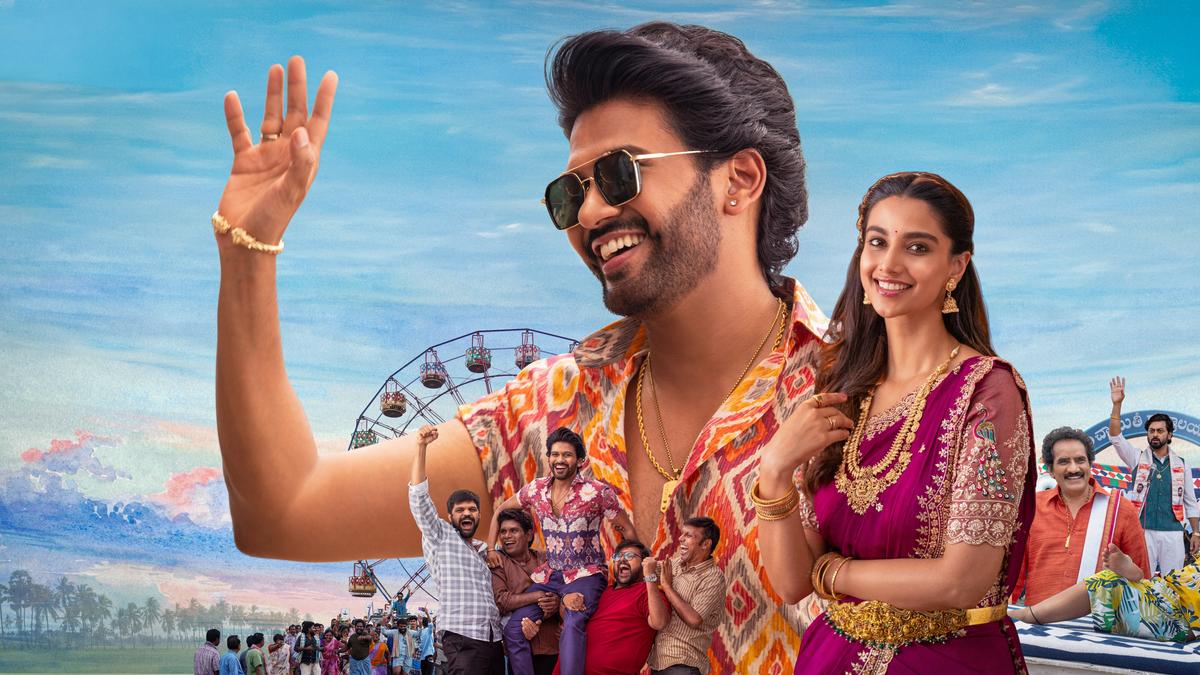
What happens when a movie sells itself as a romantic comedy, then slowly changes into a full village entertainer with politics on its mind? That’s the main surprise in Anaganaga Oka Raju, a Telugu film led by Naveen Polishetty, released January 14, 2026.
At first, it plays like a flirty con game. Raju wants an easy, rich life, so he fakes being well-off and goes after Charulatha. The jokes come fast, the romance stays light, and the setups feel made for big laughs. Then the film drops its mid-movie twist (both families are pretending to be wealthy), and the story’s track changes.
From there, elections, debt, land issues, and village status fights start taking over. The real question is simple: Is it still fun when the film gets serious, or does the shift drain the energy that brought people in?
What the movie is about, and why the story keeps changing gears
Anaganaga Oka Raju starts with a familiar Telugu-comedy hook: a hero who wants comfort without hard work. Raju comes from a once-wealthy family in the Godavari region, but those good days are gone. Instead of rebuilding, he chooses a shortcut. He keeps up a fake-rich image, sells confidence like it’s currency, and tries to marry into money.
That’s where Charulatha enters. She’s presented as the “perfect match” for Raju’s plan, the daughter of a powerful local figure, Bhupathi Raja (Rao Ramesh). Raju doesn’t just flirt, he turns wooing into a mission. The film even labels it with a cheeky name, “Operation Charulatha,” and the first half runs on that playful, plotty momentum.
Most of the early comedy comes from watching Raju juggle appearances. He has to look classy without spending, sound important without actual power, and win over a girl while keeping his background fuzzy. Friends and side characters add to the chaos, especially in public settings like village gatherings and family meet-ups, where one mistake can expose him.
Then comes the reveal that many viewers already heard about from early talk: both sides are broke, both sides are hiding debt, and both sides are acting like they’re sitting on piles of cash. It’s a strong twist because it doesn’t just change a relationship, it flips the movie’s purpose. The romance stops being the destination and becomes the setup for a bigger social tug-of-war.
After the interval, the film widens its lens. Raju’s personal problem turns into a public one. Money troubles connect to bigger village systems: who controls land, who controls votes, and who controls the story people believe. The writing starts mixing election satire with family pressure, and the jokes begin sharing space with speeches, crowd scenes, and “local leader” posturing.
This is why the movie feels like it’s switching gears. It wants to be a rom-com, a wedding comedy, a village drama, and an election spoof, all in one run. That can feel messy, but it also explains why audiences looking for a Sankranti-style entertainer often stay on board even when the tone shifts.
The first half, romance tricks, wedding comedy, and a strong interval twist
The early stretch works best when it treats romance like a game of chess. Raju’s “Operation Charulatha” isn’t written as deep love; it’s written as a strategy. That choice keeps scenes light. It also gives Naveen Polishetty room to do what he does best: quick reactions, silly confidence, and sudden panic when a lie almost collapses.
Meanwhile, the comedy gets a boost from the village fair vibe. The settings feel busy, with crowds that react like a chorus. That helps jokes land because the film often plays punchlines through public embarrassment, gossip, and family side-eyes rather than private banter.
The lead pair also helps. Naveen and Meenakshi Chaudhary have easy chemistry, especially in scenes built around teasing and negotiation. Charulatha isn’t written as a fool, which makes the chase more fun. Even when the romance stays surface-level, their scenes move with good rhythm.
The interval twist (the double “fake wealth” reveal) is the cleanest reset in the script. It doesn’t need complicated plotting to hit. It just needs good timing, and the film gets that part right.
For a snapshot of how critics responded to that first-half punchiness, Filmfare’s take frames it as a comedy-first ride, powered by the lead’s style (see Filmfare’s review of Anaganaga Oka Raju).
The second half, election satire, social media jokes, and a more serious finish
Once the story turns toward politics, Raju’s “rich husband” act turns into something heavier. Now he’s pushed to prove himself to villagers, manage pressure from power players, and survive public judgment. The film starts using election tropes: viral image-building, loud promises, staged humility, and rivals who want control more than service.
Some of the satire is sharp. The script understands how a modern campaign looks, even in a rural setting. It uses social media jokes and crowd scenes to show how fast public opinion flips when a clip goes viral or a rumor spreads.
Still, the shift can feel sudden. The movie asks the audience to move from wedding laughs to village problems, like land disputes and debt traps, without much breathing room.
The tone change is the main trade-off. The film gains “bigger stakes,” but it loses some of its easy charm along the way.
This is also where common complaints show up. Pacing dips after the interval, and a few emotional beats don’t land with full weight. When the film tries to get sincere, it sometimes relies on familiar lines and loud confrontations rather than earned feeling. Viewers who came for a straight rom-com may feel like they walked into a different movie halfway through.
Performances that land the laughs, and characters that push the drama
Even people who don’t fully buy the story often agree on one thing: Anaganaga Oka Raju runs on performance energy. The writing gives Raju a lot of room, and the film expects the lead to carry scenes that might look thin on paper. That gamble mostly pays off because Naveen Polishetty is comfortable with this kind of comedy. He can turn a simple exchange into a small event, just with timing and expression.
The supporting cast plays a different role. They keep the village world moving, add noise and pressure, and help the film feel “crowded” in a good way. In a movie that shifts from romance to public life, the crowd matters.
However, not every side character gets a clear arc. Some exist to deliver one gag, then disappear. Others repeat the same note (shouting, panicking, or praising the hero) until the joke wears out. That repetition becomes more noticeable in the second half, when the film stretches toward politics and messaging.
Still, the main dynamic, Raju versus the village’s expectations, sremains watchablebecause the actors sell the stakes. When a film wants laughs and social commentary in the same breath, acting often decides whether it feels smooth or forced. Here, the cast does enough to keep it moving, even when the tone wobbles.
Naveen Polishetty as Raju, a one-man engine with sharp timing
Raju is written as a mess, but a charming mess. Naveen plays him with restless energy. He switches from bragging to begging in seconds, and that swing is where many of the best laughs live. His face does a lot of work, too. A raised eyebrow or a delayed reaction often lands harder than a big line.
Another strength is how he handles self-aware humor. The film lets Raju comment on his own situation at times, and Naveen’s delivery keeps it playful instead of smug. In scenes where the plot turns routine, he still finds a way to keep the moment alive.
The downside is structural. Because the film leans so heavily on him, quieter scenes can feel underwritten. When the story wants sincerity, it sometimes forgets to build it, then asks Naveen to “act it into existence.” He tries, but charm can’t replace depth every time.
Meenakshi Chaudhary and Rao Ramesh, the romance and the power games
Meenakshi Chaudhary’s Charulatha brings calm to Raju’s chaos. She has presence, and she looks comfortable in lighter scenes. Her Telugu performance also feels more confident than some viewers might expect if they’ve only seen her in limited, reactive roles elsewhere. The script, though, doesn’t always give her equal weight once the film turns political. She gets moments, but she often ends up responding to Raju’s storms instead of driving her own.
Rao Ramesh, as Bhupathi Raja, adds credibility to the “big family” setup. He doesn’t need constant screen time to create pressure. A single look can sell authority, and that helps the twist feel believable. When conflict rises, his steadiness helps the film feel less like a sketch comedy and more like a story with consequences.
For readers curiousabout how strongly critics emphasized the “lead-carries-everything” idea, The New Indian Express echoed that exact framing (see The New Indian Express review).
Craft and entertainment value, music, visuals, and the moments people will quote.
For anyone deciding between a theater watch and waiting for streaming, this movie’s “value” depends on what they want from a weekend pick. As a crowd film, it plays better with a loud audience. The first half has the kind of call-and-response comedy where people laugh at reactions as much as lines. That energy can drop at home, especially during the heavier second half.
Technically, the film keeps things bright and accessible. The rural setting gets colorful treatment, with festivals, wedding scenes, and big public gatherings staged for scale. Crowd choreography matters here, and the film uses it often, from gags that need background reactions to campaign beats that need noise.
The runtime (about 2 hoursand 30 minutes) is felt most after the interval. Early scenes move with purpose because Raju’s plan creates built-in urgency. Later scenes slow down when the story tries to serve multiple goals at once: comedy, politics, and moral messaging.
Music and background score aim to keep the pace lively. The songs don’t try to reinvent anything, but they fit the festive mood. In a film like this, music works like seasoning. Too little and it feels flat, too much and it drags a scene that should’ve moved on sooner.
Best scenes and running jokes, from Operation Charulatha to campaign chaos
The most quoted bits usually come from three zones: the wooing plan, the wedding reveal, and the election chaos. “Operation Charulatha” works because it turns romance into a heist-like mission, with mini targets and quick detours. That structure creates constant opportunities for jokes, especially when Raju has to improvise.
The wedding portion also stands out because it raises the stakes without turning grim. It’s comedy built on discomfort, status anxiety, and the terror of being exposed in front of families. The film doesn’t need to over-explain the punchlines there. It just sets a trap and waits for Raju to step on it.
Later, the campaign sections bring broader humor. Some gags go over the top, including slapstick that can feel darker than the earlier teasing tone. Those scenes will split viewers. Some will enjoy the madness. Others will wish the film stayed closer to the rom-com lane.
Music and visuals: a bright village palette, plus a few pacing bumps
Most listings credit the music to Mickey J. Meyer, and the score does its job by keeping scenes buoyant. A couple of tracks match the festive setting well, while at least one song placement slows momentum right when the story should tighten.
Visually, cinematography (credited to J. Yuvraj) keeps the village setting warm and busy. Dusty roads, crowded gatherings, and wedding colors all come through clearly. The camera often stays practical rather than showy, which suits comedy because it lets performances stay front and center.
Editing is where the second half feels heavier. The film could’ve trimmed a few beats in the political stretch to keep the same snap the first half enjoys. Even so, the movie rarely becomes dull for long. It keeps tossing in jokes, reactions, and crowd moments to hold attention.
Conclusion: A funny first half, a messy shift, and a Naveen Polishetty showcase
Anaganaga Oka Raju works best when it’s letting Naveen Polishetty sprint through lies, flirting, and social awkwardness. The first half brings clean laughs, a breezy village vibe, and a twist that genuinely resets the story. After that, the film changes shape. Elections and village issues take over, and the tone becomes uneven.
For fans of Naveen, families wanting mostly clean humor, and viewers who like Sankranti-style village entertainers with a light message, it’s an easy pick. On the other hand, anyone wanting a pure rom-com, tighter writing, or a consistent tone may feel the second half pulling in too many directions.
A fair rating based on the full ride is 3 out of 5. It’s fun when it keeps things simple, and it’s still watchable when it gets serious, mostly because the lead doesn’t let it stall.
Trending Reviews:
Battle Of Galwan Movie Review: Avoid the Title Confusion



