
Movie Reviews
Ustaad Bhagat Singh – Pawan Kalyan is Back in a Full-on Mass Role

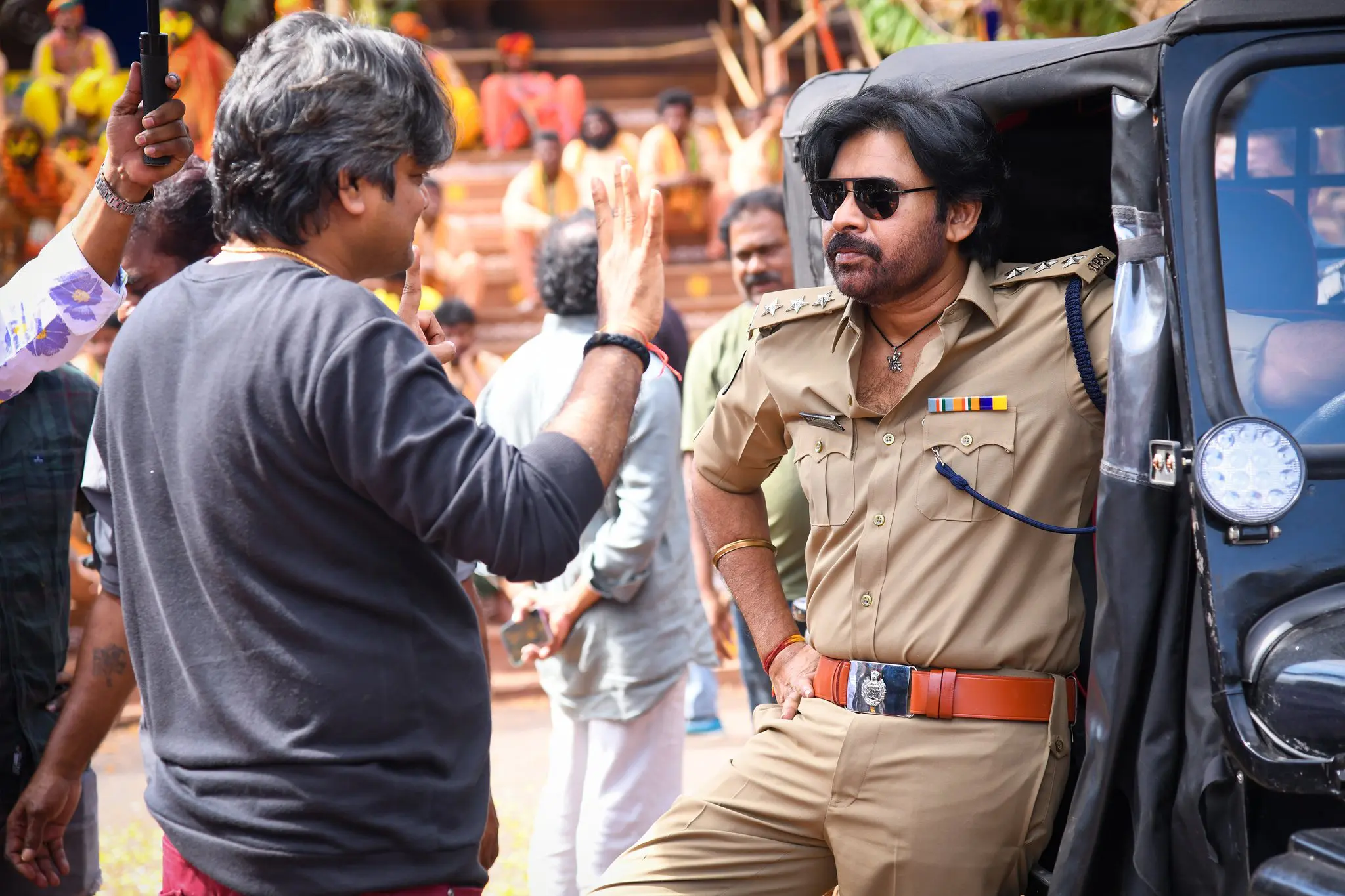
Pawan Kalyan is back in a full-on mass role with Ustaad Bhagat Singh, a Telugu action-comedy directed by Harish Shankar. If you’re searching for a Ustaad Bhagat Singh movie review before booking tickets, here’s the clean, pre-release picture based on what’s confirmed so far.
The film is scheduled for March 26, 2026, although recent trade updates also mention a possible advance to March 19 for an Ugadi week release. Either way, the buzz is loud, thanks to the cast (Sreeleela, Raashii Khanna, and a packed supporting lineup) and Devi Sri Prasad on music.
Because the makers haven’t shared full plot details yet, this is a pre-release review built from official announcements, the public story setup, crew info, and early chatter. Runtime and certification still haven’t been publicly confirmed.
After the theatrical release, this post will be updated with a full verdict, a clear rating, and early box office trends.
Quick facts before you watch Ustaad Bhagat Singh
If you like planning your movie night (instead of getting surprised at the theater), these quick facts help you decide whether to go opening weekend or wait for reviews and a calmer showtime. Some details are officially confirmed, while others (like final runtime) can still change before release.
Genre, runtime, and certification: what they mean for families
Genre: Ustaad Bhagat Singh is positioned as an action-comedy, so expect a loud, punchy mix of fights, humor, and crowd-pleasing dialogue. That combo usually plays best in a packed theater, but it can also feel like a lot if you prefer calmer dramas.
Certification (UA, 16+): Reports indicate the film has a U/A (16+) certificate, meaning:
- If you are 16 or older, you can watch without an adult.
- If you are under 16, it is still allowed, but it comes with a clear hint: parents should decide based on the kid and the content.
In plain terms, UA (16+) suggests the movie may include stronger action violence, tense scenes, or mature language. If you are going with a family group, it helps to pick seats on an aisle (easy breaks) and choose a daytime show (kids handle it better).
For the latest certification update as it becomes public, see the report on the CBFC certificate update.
Runtime (what 2.5 hours feels like): Even if the final number shifts, a 2.5-hour commercial action film usually feels like:
- A full meal, not a snack, especially with ads and trailers.
- Around the point where people start checking phones, if the second half drags.
You might want to wait (or choose a weekday matinee) if you are taking younger kids, you dislike long action blocks, or you have a low tolerance for extended fight sequences.
If you usually enjoy a tight 2-hour movie, plan for a “stretch break” showtime, not a late-night one.
Cast and crew, you should know going i.n
The biggest reason the hype is steady is the combination of a star-led mass role and a crew that knows how to mount big commercial beats.
Pawan Kalyan as Bhagat Singh is the clear center of gravity. Fans expect a swagger-heavy hero, punchy one-liners, and larger-than-life action framing. When he is in full form, the theater energy does half the work.
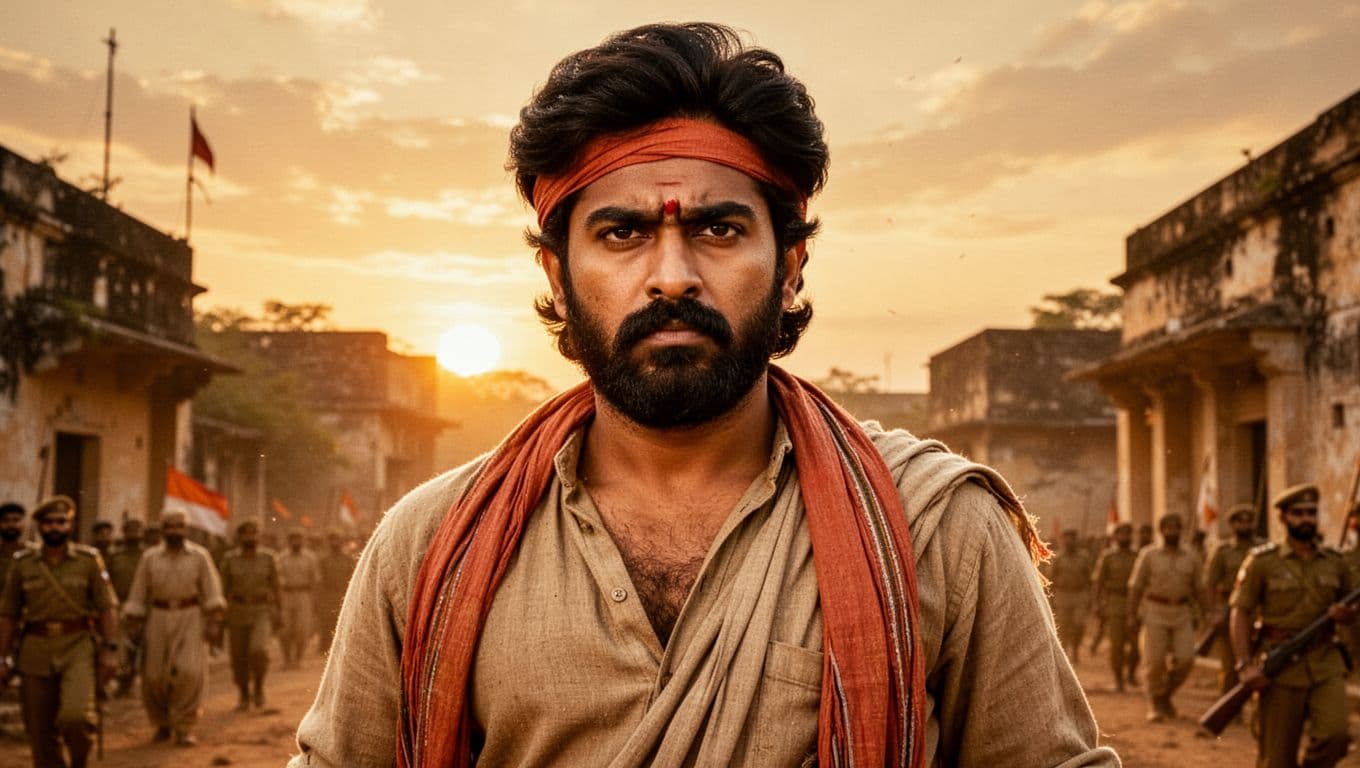
On the lead actress side, Sreeleela adds youth and speed to the pacing, which matters in action-comedies because she often drives the lighter scenes. Raashii Khanna as Shloka is a name to watch because she can anchor emotional stretches without slowing the film down.
Supporting names being reported, including Pankaj Tripathi, Ashutosh Rana, Nawab Shah, and Gautami, raise expectations for stronger confrontations and better-written character moments. A solid supporting cast is like good wiring in a house; you do not notice it first, but you feel the difference when it is done right.
Behind the camera, the craft choices also signal what kind of ride you are getting:
- Cinematography: Ayananka Bose usually means polished lighting and hero-friendly framing.
- Editing: Karthik Srinivas matters because tight edits keep a long action film from sagging.
- Music: Devi Sri Prasad (songs) brings the “event” vibe people expect.
- Background score: Thaman S. can boost action blocks and elevate simple scenes with tension.
If you want a running list of credited names as they update, check the full cast and crew page.
Story setup without spoilers: who Bhagat Singh is and what he fights for
Ustaad Bhagat Singh sets up his hero as someone shaped by principle before power. Bhagat Singh starts as a tribal boy, then grows into a man who won’t bend when it’s easier to stay quiet. That backbone matters because the film positions him as an IPS officer, which means his choices carry real weight.
The simplest way to frame his fight is this: he stands between regular people and those who think they can get away with anything. It’s personal, too. The story ties his sense of duty to family, safety, and refusing to let fear decide the rules.
If you want the official basics in one place, Ustaad Bhagat Singh on IMDb is a clean reference for the credited setup and production details.
The teacher’s influence and the movie’s “values” theme
The title isn’t just for style. The “Ustaad” angle hints that a teacher, and the act of teaching, sit at the center of Bhagat Singh’s moral code. In this setup, the teacher not only educates him, but he names him, shapes his posture toward life, and hands him a compass he keeps using later.
That’s where the film’s “values” theme lands. Instead of preaching, it treats courage and honesty like daily habits, like doing push-ups for the soul. When the hero later faces bigger threats, you’re meant to remember he trained for this in smaller moments first.
A few values the setup keeps pointing back to:
- Courage: Not the fearless kind, the “I’m scared but I’ll act” kind.
- Honesty: Saying the hard thing, even when it costs him.
- Standing up for others: Choosing the crowded side of the street over the safe corner.
In a mass film, values are the wiring. Action is the lighting. When the wiring is solid, the big moments hit harder.
So yes, it can be loud. Still, the goal is inspiration, not just noise. You don’t only watch a strong man win, you watch a strong mind refuse to shrink.
Action plus emotion: the kind of “mass” moments viewers expect
Even with a values-driven base, this is built to play big in a theater. The “mass” payoffs usually come in waves, then the film lets you breathe, then it swings again. Think of it like a drum pattern, build-up, strike, silence, strike.
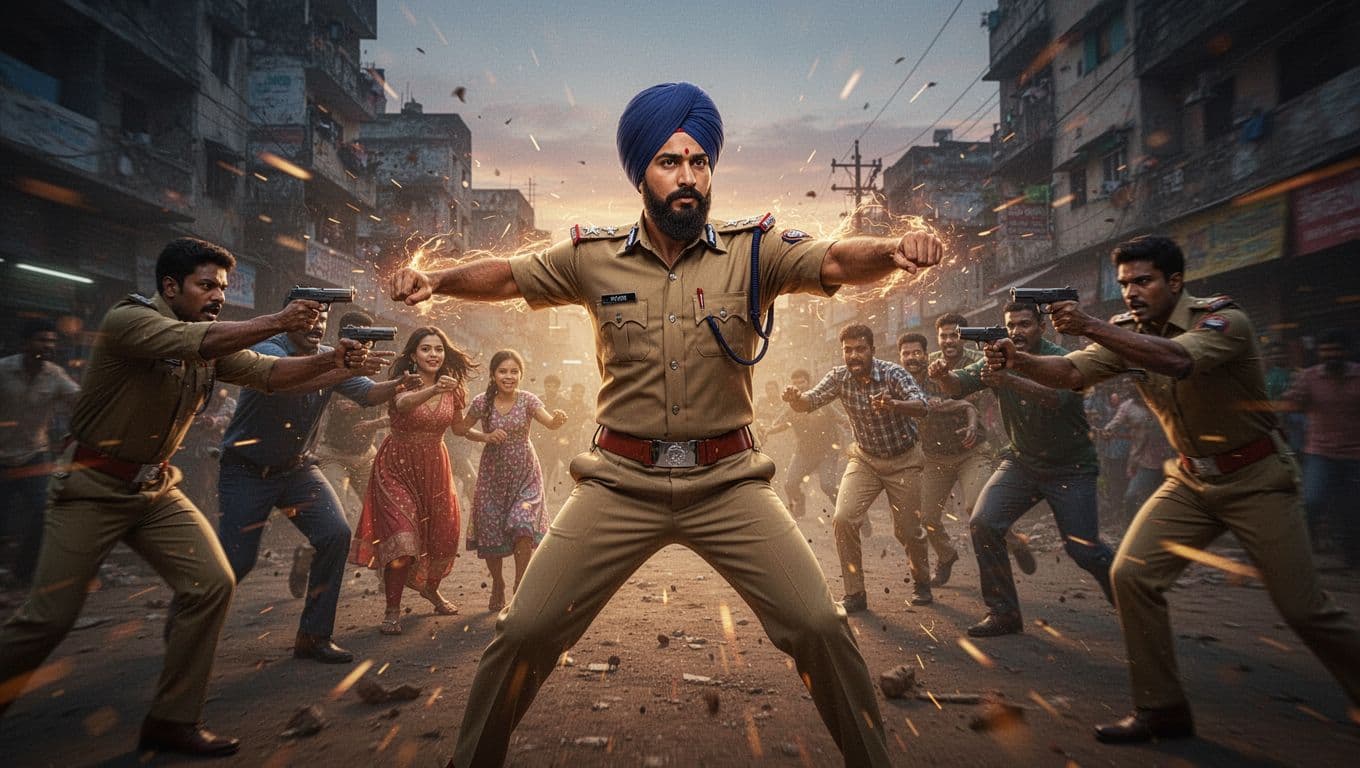
Here’s what audiences typically show up for in a Pawan Kalyan-style commercial entertainer, without needing any plot reveals:
- Hero entries that feel earned: Not just slow motion, but a situation that “requires” his presence.
- Dialogues with snap: Lines that sound simple, yet land like a stamp of authority.
- Fights with clear intent: Less random punching, more “he’s protecting someone” energy.
- Emotion that targets applause: A family beat, a promise, a loss, or a protective streak that flips the switch.
What keeps it from feeling like a highlight reel is when the emotion is tied to his core motive: protection. When action comes from that place, it plays less like showing off and more like enforcement. That’s the sweet spot mass fans want: power with a reason behind it.
What looks promising based on pre-release buzz
Pre-release buzz can be noisy, especially for a big-star commercial film. Still, a few signals feel consistent for Ustaad Bhagat Singh: the “upright cop” setup fits the star image, the director’s style suggests a crowd-first approach, and the music plan looks built for theater impact. Think of it like a trailer for the trailer; you’re not judging the full meal yet, but you can smell what kind of kitchen it is.
Also, keep expectations calibrated. A lot of chatter right now comes from fan pages, trade talk, and general expectations. Even so, here’s what looks encouraging based on what’s circulating.
Pawan Kalyan’s screen presence and the “upright cop” appeal
The IPS cop template is tailor-made for a larger-than-life lead because it gives the hero moral authority, not just muscle. When the character is written as principled and fearless, even a simple walk into a room can play like a “moment.” That’s the core appeal of an upright cop story: the badge becomes a promise, and the hero becomes the person who keeps it.
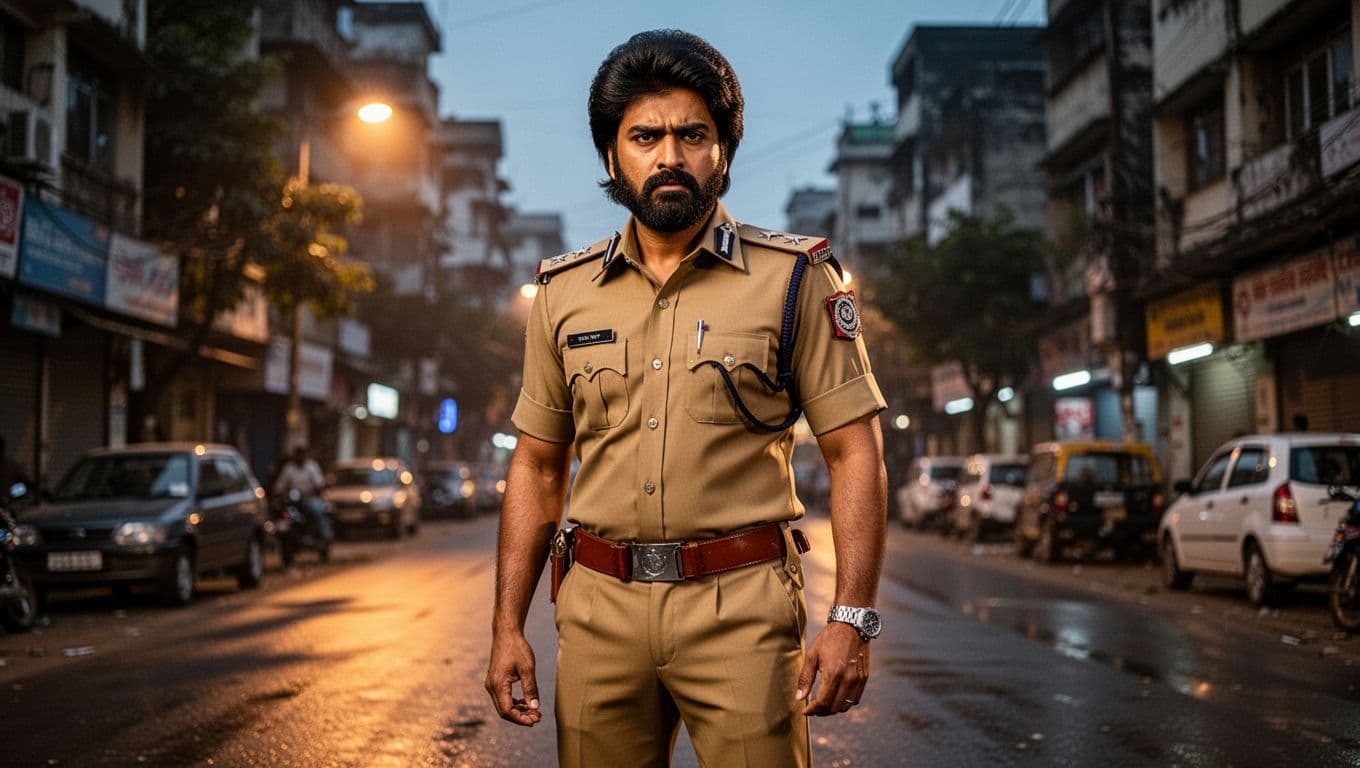
Based on early chatter, the most repeated compliment is about presence. Not “best performance” talk (it’s too early for that), but that familiar Pawan Kalyan pull: posture, timing, and the ability to make hero framing feel natural instead of forced. In a film like this, that matters because the story beats often lean on conviction. If the lead sells the conviction, the audience forgives the noise around it.
A few reasons this setup usually works for him:
- Clear moral line: When the hero refuses to bend, the audience knows what to cheer for.
- Built-in conflict: A strict cop role invites power struggles with villains and systems.
- Applause-ready decisions: Upright cops don’t “consider,” they act, which keeps scenes punchy.
If you’ve seen debates about whether there’s enough “buzz,” it’s worth remembering that buzz isn’t only volume. Sometimes it’s consistency, and the consistent thread here is the hero-role fit (even when opinions differ). For one snapshot of that mixed conversation, see this discussion of current buzz levels.
An honest cop character is like a lit match in a dark room. The moment he walks in, the room has to react.
Harish Shankar’s direction style, pace, and entertainment factor
When people buy a ticket for a Harish Shankar commercial entertainer, they usually want energy, clean setups, and big payoffs. His brand, at least in audience memory, is less about slow-burning mood and more about moving from beat to beat with confidence. That’s why expectations naturally tilt toward fast scene changes, sharp comedy placement, and action blocks designed like set pieces.
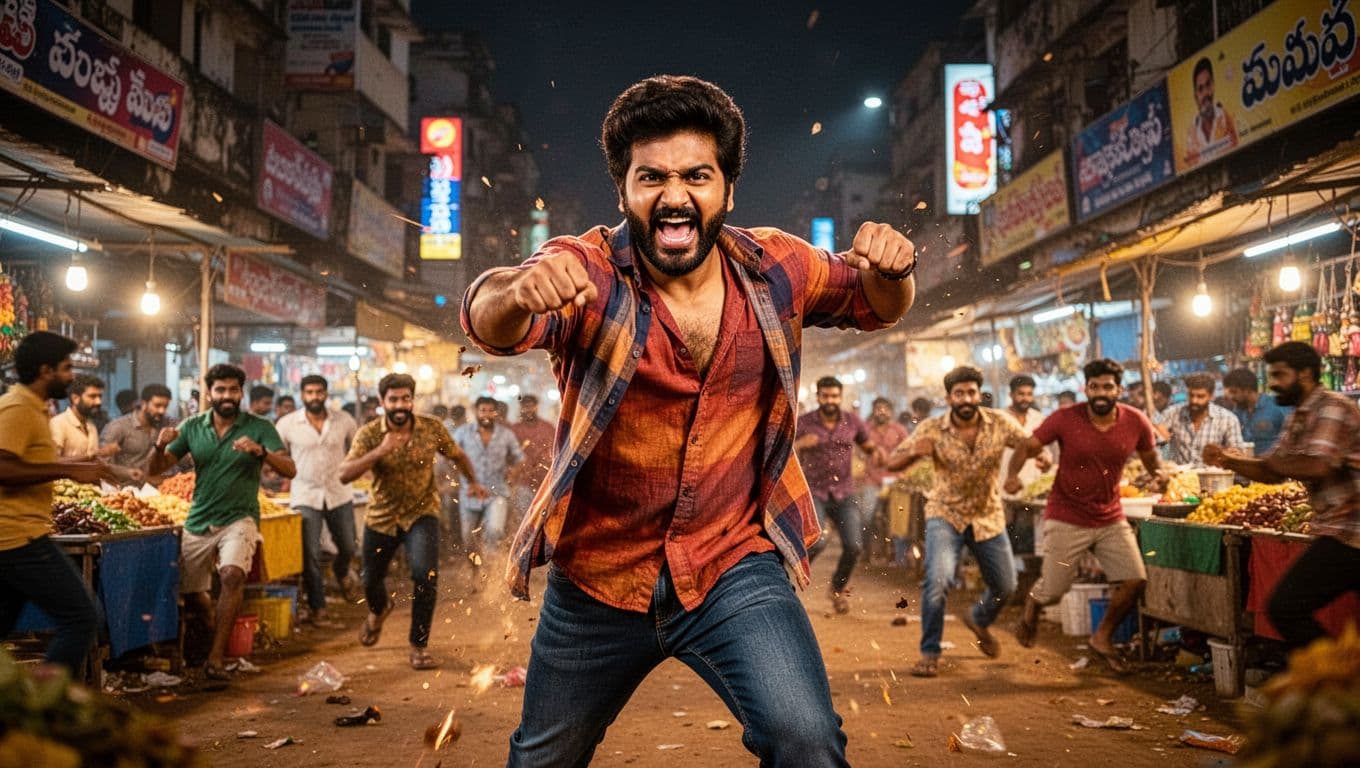
So what does Ustaad Bhagat Singh seem to be aiming for, based on the pre-release positioning? A full “festival film” ride, where the narrative is a highway, not a maze. In other words, the movie likely wants you to feel like you’re being carried from one high point to the next, without spending too long in between.
Here’s what that usually translates to on screen:
- Punch-line rhythm: Dialogues land best when they come right after tension.
- Entry and elevation scenes: The hero gets moments that build status in the story world.
- Comedy as a pacing tool: Lighter scenes reset the room after action or sentiment.
- Action with a hook: Fights that start from a reason (insult, threat, rescue), not random chaos.
None of this guarantees the final edit will be tight. However, the intent looks clear: keep it entertaining, keep it loud, and keep it moving.
Music and background score: DSP for songs, Thaman for BGM
In Telugu commercial films, songs and background score (BGM) do different jobs, even though both are “music.” Songs are the billboard. They sell mood, style, and replay value before release. BGM is the engine. It pushes scenes forward inside the theater, especially the hero’s entries, confrontations, and action peaks.

That’s why having Devi Sri Prasad (DSP) for songs and Thaman for BGM can raise hype on paper. It signals a “best of both” approach:
- DSP tends to deliver hooky, crowd-friendly tracks that travel on reels and playlists.
- Thaman’s BGM reputation is about high-voltage elevation, the kind that makes a basic shot feel like a headline.
The practical upside is balance. If the songs do their job, they pull you into the film’s vibe early. Then, when the movie needs a lift inside the story, the BGM handles the heavy weight. It’s like having a strong opening act and a strong closer, each with a different skill set.
The only caution is cohesion. Two musical voices can work beautifully if the sound mix and theme work stay consistent. If that alignment happens, the theater experience usually improves fast.
Censor news and early screening notes, what “UA with no cuts” signals
If you’re seeing posts about “UA with no cuts” and early censor notes, treat them as pre-release signals, not final proof. The core idea, though, is easy to understand. A UA certificate generally suggests the movie keeps things watchable for a broad audience while still allowing stronger action, intensity, or language than a U rating.
When trade talk says “UA, no cuts,” it usually hints at two things:
- Flow stayed intact: No last-minute trims to key action or dialogue beats.
- Cleaner packaging: Less risk of abrupt muting or awkward jump edits.
That said, pre-release certification chatter often moves faster than official public documentation. So while some reports claim a March 2026 censor screening and upbeat early reactions around story and direction, there hasn’t been a single, universally confirmed public note that settles every detail.
Here’s the best way to use this info as a viewer: if the UA, no-cuts talk turns out accurate, it likely means the movie’s commercial “highs” survived the process without visible patchwork. Still, the final feel depends on editing, sound mix, and the last reel, which you can only judge after release.
Ustaad Bhagat Singh movie review, Ustaad Bhagat Singh pre-release buzz, Pawan Kalyan IPS officer role, Harish Shankar direction style, DSP songs Thaman background score, UA no cuts meaning, Ustaad Bhagat Singh censor report, Telugu action comedy March 2026, Pawan Kalyan mass film 2026
What could hold Ustaad Bhagat Singh back (common risks for big action entertainers)
Big action entertainers win when they feel like a smooth train ride, not a traffic jam. Even with a star lead, strong music, and crowd-ready moments, a few common issues can quietly chip away at the payoff. If you plan to watch Ustaad Bhagat Singh in theaters, these are the red flags worth keeping in mind while the movie unfolds.
Long runtime and pacing, will every scene feel needed?
A 150 to 154-minute commercial film can feel breezy when every scene pushes the story forward. However, it can also feel longer than it is when action blocks repeat the same idea, or when comedy tracks run on fumes after the first laugh.
The usual culprit is repetition without escalation. One good fight shows the hero is dangerous. The next one must change the situation, raise the threat, or reveal something new. Otherwise, it starts to play like a highlight reel with gaps in between.
While you watch, a few simple checkpoints can tell you if the pacing is under control:
- A tight second half: The interval should flip a switch, then the plot should move with urgency.
- Clear villain stakes: The threat should feel specific, not generic “bad guys” talk.
- Fewer filler scenes: Songs and comedy should reset the mood, not pause the story.
A long runtime is fine when the story keeps adding weight. When it keeps adding time, you feel every minute.
Also, pre-release talk around post-production crunch can make fans nervous about the final edit. Some recent updates point to the team focusing hard on finishing elements like background score, which often decides whether scenes feel punchy or padded. For one snapshot of that conversation, see this update on Harish Shankar focusing on the background score.
Balancing comedy, romance, and serious “social message” parts
Mass movies often try to do three jobs at once: make you laugh, give you a love track, and then make a serious point about society. That mix can work, but only when the movie controls the tone like a DJ controls a playlist. If the transitions feel sudden, you get whiplash.
The tricky part with Ustaad Bhagat Singh is that two female leads can naturally create multiple parallel tracks. Done well, that adds variety. You get different chemistry, different scene energy, and better pacing. Done poorly, it can distract from the core conflict, especially if the film keeps switching lanes right when tension is building.
Here’s what usually separates a fun mix from a messy mix:
- Comedy that reveals character: Jokes should show who Bhagat Singh is under pressure, not just stall time.
- Romance that supports the plot: The love track should connect to choices and consequences, not sit outside the story.
- Message that fits the hero: Social themes land best when the hero acts on them, not when the movie lectures.
If the movie can keep each flavor in the same dish, it stays tasty. If it feels like three different movies stitched together, even strong scenes start to compete instead of combining.
Expectations and hype: why pre-release talk can be a double-edged sword
With a big star, hype is oxygen. It fills theaters, drives first-weekend noise, and turns even a decent scene into a “moment.” At the same time, hype can turn into a pressure cooker because audiences walk in expecting a home run every ten minutes.
Pre-release talk can also create “phantom scenes” in your head. You expect a certain cameo, a certain dialogue, a certain type of interval bang. Then, even a well-made choice can feel “less” just because it’s different from the version you imagined.
If you want the fairest experience, treat opening-week chatter as noise and use a simple rule: judge what’s on screen, not what was promised online. Also, if you’re on the fence, it’s smart to wait for full post-release reviews and audience reports once shows begin. For more context on how the team is framing the release and the pressure of competition, see this Hindustan Times interview about the box office clash.
The best-case outcome is simple: the movie meets expectations by staying focused. The risk is just as simple: it tries to please everyone, and the main story pays the price.
Conclusion
Ustaad Bhagat Singh looks set to be a full-volume Telugu commercial ride, built around Pawan Kalyan’s upright-cop image, Harish Shankar’s crowd-first staging, and a music plan that should keep the theater loud. The pre-release setup also leans into values, with action that ties back to duty, family, and protecting people who can’t fight back.
This one’s for Pawan Kalyan fans, action-drama lovers, and viewers who enjoy message-driven cop stories with punchy highs and big set pieces. On the other hand, you might skip (or wait for reviews) if you don’t like long runtimes, dislike loud action blocks, or want a quieter, plot-heavy thriller.
As of now, the release date is still listed as March 26, 2026, for this pre-release review, and the post will be updated after release with a full review, rating, and early box office trends. Thanks for reading. Share what you’re expecting most from this film.



