
Movie Reviews
G2 Movie Review (2026) Agent Gopi’s Overseas Spy Mission

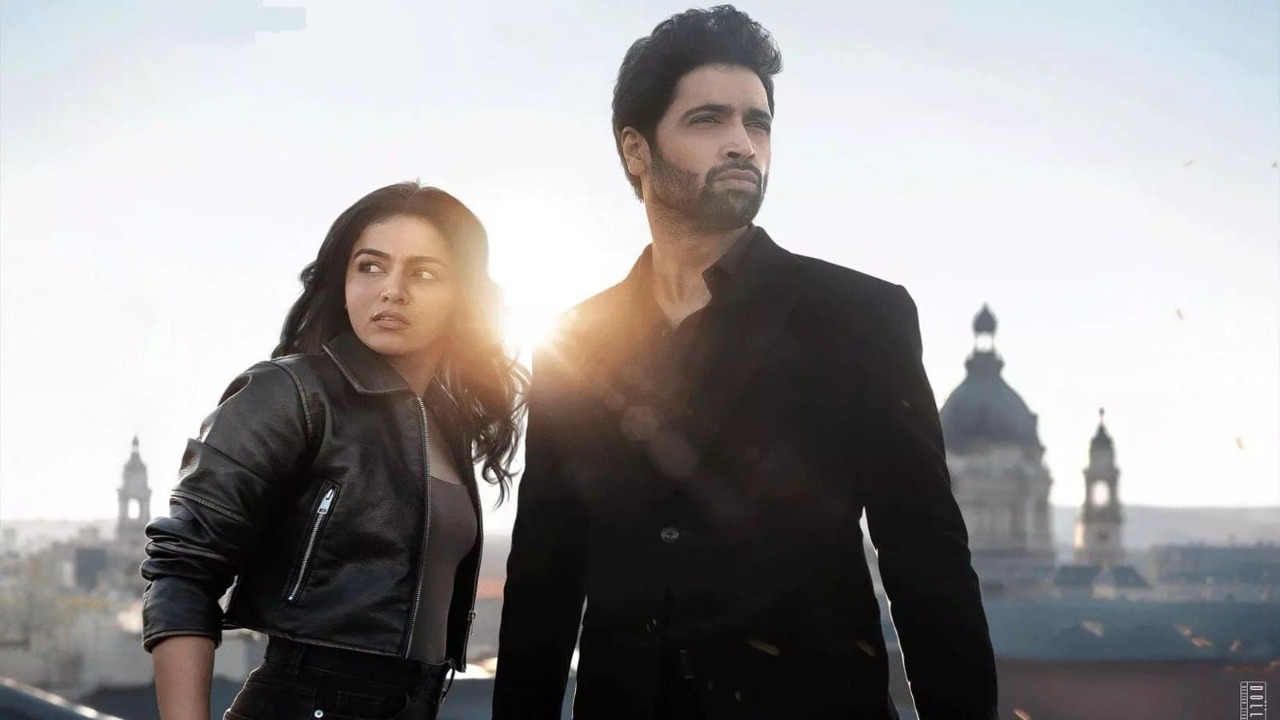
If you liked Goodachari (2018), G2 looks set to scale up everything that made that film click: bigger stakes, wider locations, and a sharper focus on what it costs to live undercover. Scheduled for a May 1, 2026, theatrical release, this sequel brings Adivi Sesh back as Agent Gopi for a mission that pushes him far beyond India’s borders.
The core hook is simple and strong: Agent Gopi heads overseas to stop a threat to India, but the fight isn’t only against enemies. He’s also up against the pressure of a high-risk assignment, trust issues, and the personal toll that comes with staying two steps ahead. It’s the kind of setup that can deliver clean action and suspense, while still keeping the story grounded in character.
Since the movie hasn’t been released yet, full critic reviews aren’t out. So this G2 movie review stays spoiler-light and sticks to what’s confirmed so far, official details, cast and crew, and what the early promos suggest (so far, it’s mainly character posters, not a full teaser or trailer). By the end, you’ll have a clear picture of what to expect from this next chapter in the Goodachari universe.
What G2 is about, and how the overseas mission raises the stakes
At its heart, G2 (Goodachari 2) takes a clean spy-thriller idea and stretches it across borders. Agent Gopi is no longer just operating in familiar lanes. He is in foreign streets, unfamiliar systems, and the kind of mission where one wrong call can ripple back home.
An overseas setting also changes the pressure simply: help is farther away. Your contacts might be compromised, your cover can crack faster, and even basic moves (money, IDs, transport) become risks. That extra distance makes every choice feel sharper, especially when the threat points straight at India.
The hero’s goal: stopping a network that threatens India
Gopi’s objective is easy to grasp: find the people behind a hostile network and stop the plan before it lands on Indian soil. That can mean tracking a handler, intercepting intel, or cutting off funding, but the through-line stays the same. He has to identify the real players and break the chain.
What makes it matter is the scale. A single operation can decide whether civilians stay safe, whether agencies stay intact, and whether a bigger attack gets stopped early. If you have seen how spy stories work, you know the scary part is not the gunfight. It is the moment a file goes missing, a call drops, or a trusted name shows up in the wrong place.
Classic spy-thriller beats fit naturally into this setup:
- Secrecy as survival: Gopi can’t explain his mission, even to allies who mean well. One loose detail can burn his cover.
- Intel over muscle: The key “weapon” is often a scrap of proof, a password, or a map of relationships.
- Betrayal risk: Abroad, it’s harder to tell who’s protecting you and who’s selling you.
- Moral choices: Saving the mission might mean sacrificing comfort, reputation, or a relationship. Those trade-offs give the story weight.
For quick context on the film’s confirmed setup and cast, see the IMDb news brief on G2.
The best spy missions don’t feel heroic in the moment. They feel lonely, messy, and urgent.
The antagonist factor: why a dual-role villain can add mystery
A dual-role villain is a simple trick that can keep you leaning forward, because it messes with pattern recognition. If one person can plausibly be two different “faces” in the story, every scene becomes a test. Are you watching the threat, or the disguise?
Used well, this kind of antagonist adds tension without needing constant action. It creates misdirection (the wrong suspect looks right), doubt (the right ally looks wrong), and paranoia (even truth starts to feel staged). In an overseas mission, that effect doubles because Gopi is already dealing with cultural blind spots and limited support.
It also raises a fun, spoiler-light question that drives a spy plot: when someone plays two roles, who are they when the mask slips? That mystery can power the middle of the film, while the stakes stay clear: if Gopi guesses wrong, the network stays alive.
The ‘success’ theme: challenges that test skill, loyalty, and nerve
A spy sequel earns its “bigger” label when the mission tests more than aim and strength. In G2, the overseas assignment makes success look less like victory laps and more like staying functional under stress. The good news is that’s exactly the kind of pressure that creates a satisfying spy arc.
Here are a few challenge types that can shape that arc in a grounded way:
- Time pressure: Leads expire fast, and delays can turn a preventable attack into a headline. A ticking clock forces bold moves.
- Being hunted: When the hunter becomes the target, every safe house turns temporary. It pushes Gopi to think like a ghost.
- Trust issues: A mission abroad runs on partners, sources, and intermediaries. One bad handoff can collapse everything.
- Emotional cost: Even if he “wins,” Gopi may lose pieces of himself, sleep, connection, and the ability to relax. That personal damage makes the suspense stick.
In other words, success is not just stopping the threat. It is doing it without becoming the very thing he is fighting, and that’s where spy stories hit hardest.
Cast and characters: who to watch, and what each brings to the story
Spy thrillers live or die on presence. You can have a smart plot and slick locations, but if the faces on screen do not sell pressure, doubt, and restraint, the tension falls flat. With G2 (Goodachari 2), the casting choices point to a story that wants both scale and control, meaning characters who can keep you guessing without shouting every emotion.
What matters most here is contrast. A steady hero needs a villain who can bend the room. A mysterious ally needs to feel useful and dangerous at the same time. Based on the first looks shared publicly, this lineup seems built for exactly that kind of push and pull (as reported in the IMDb first-look poster coverage).
Adivi Sesh as Agent Gopi: the calm brain behind the action
Adivi Sesh returning as Agent Gopi is the anchor move, because the Goodachari universe works best when the lead feels like a real operator. Not a superhero, not a walking punchline, just a man who thinks fast and keeps his pulse hidden. After Goodachari, most viewers expect Gopi’s edge to come from discipline, not volume.
A compelling spy lead usually has three gears, and Sesh has shown he can shift between them without making it obvious:
- Controlled emotion: He does not flinch when a plan changes. Instead, you see the calculation behind the eyes.
- Quick thinking: He plays scenes like chess, reacting to new info, then setting a trap two steps later.
- Believable physicality: He moves like someone trained to avoid attention first, and fight only when cornered.
That last piece matters more than people admit. In spy stories, action feels best when it seems like the character is trying to end the problem fast, not show off. If G2 leans into that grounded style, even a simple sequence (tailing someone through a market, slipping out of a building, disarming a threat) can hit harder than a noisy brawl.
There is also the “sequel expectation” factor. After the first film, audiences want growth, but they also want consistency. So the ideal version of Gopi in G2 is still the same calm brain, just under heavier pressure, in unfamiliar cities, with fewer safe exits. In other words, he is a pressure cooker with a tight lid, and the story gets to decide when that lid finally rattles.
The most convincing spies do not look fearless. They look focused, because fear wastes time.
Emraan Hashmi’s villain roles: charm, danger, and unpredictability
Casting a well-known actor as the antagonist is a simple way to raise tension, because the audience brings baggage into the theater. You see Emraan Hashmi, nd you assume he will own the frame, even before the script hands him a big moment. That expectation helps a spy thriller, since a strong villain should feel like a constant weather system, not a one-scene obstacle.
The best spy antagonists rarely stay in “angry mode.” Instead, they switch the temperature on you. One moment, they are polite, even funny. Next, they turn a conversation into a threat without changing their tone. That’s where Hashmi’s screen persona can be a real asset, since charm makes danger feel closer. If the villain can smile while lying, then every friendly scene becomes suspicious.
A dual-identity angle (something the early chatter around the film keeps circling) is also a natural fit for him, because it turns the conflict into mind games instead of simple chases. When the hero cannot trust names, faces, or paperwork, the villain does not need constant action. He only needs to stay one step ahead.
Here is what a “charm plus risk” antagonist can bring to G2’s story engine:
- Higher paranoia: Gopi cannot relax around anyone who seems helpful.
- Sharper stakes: A villain with social power can hurt you without firing a shot.
- Unpredictable rhythm: The movie can spring turns through conversation, not just combat.
In a globe-hopping setup, that kind of villain becomes even more effective because borders and bureaucracy create cover. A person can be a businessman in one city and a ghost in the next. If G2 plays it smart, the tension will not come from how strong the villain is, but from how easily he can change shape in public.
For more on the casting and first-look materials tied to the release date announcement, see the Moneycontrol report on the new posters.
Wamiqa Gabbi’s mysterious agent: the twist-friendly wildcard
A secretive agent character can deepen a spy plot fast because they make every alliance feel temporary. Wamiqa Gabbi’s presence signals a role that can shift the story’s balance without needing long speeches. In spy stories, the wildcard is often the person who knows more than they say, and says more than they mean.
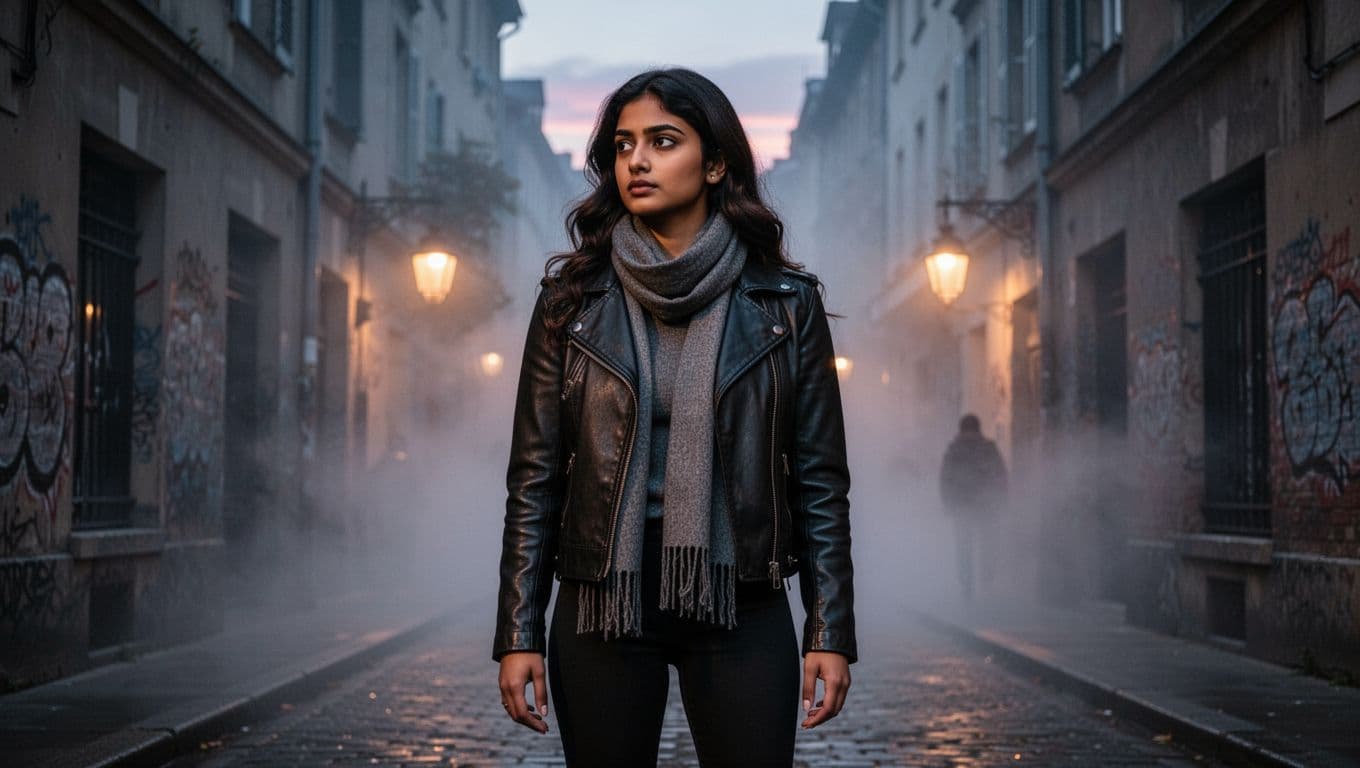
Because details about her character are not fully confirmed publicly, it is smarter to talk about what this type of role usually adds when handled well. First, it gives the hero a partner who is not a sidekick. Second, it creates a moving target for trust. Third, it can raise the emotional cost without forcing melodrama.
A well-written “mysterious agent” works like a pocketknife, small, sharp, and full of tools:
- Shifting alliances: She can help Gopi in one sequence, then vanish when the heat rises.
- Hidden motives: Even when she tells the truth, she might not tell the whole truth.
- Extra stakes: Her choices can expose a bigger network, or burn a safe path out.
The key is balance. If the character stays mysterious for too long, it feels like a gimmick. On the other hand, if the film reveals everything too early, the role loses power. The sweet spot is when you can read her competence clearly, but her intent stays just out of reach.
Also, a wildcard agent is a great match for an overseas mission. Different country, different rules, different loyalties. As a result, Gopi has to judge people by actions, not labels. If Gabbi’s character plays in that gray zone, she could become the film’s best source of tension between action scenes, the person who makes you lean in during quiet moments.
The early coverage around the first-look reveal frames her as one of the key faces in the sequel’s marketing push, which suggests she is not a minor add-on (see News18’s first-look roundup).
Direction, writing, and scale: what makes G2 feel bigger than a typical spy film
A spy sequel earns its “bigger” label in more ways than runtime and locations. It’s about how the camera moves, how clean the information is, and how confidently the film controls tension. Early confirmed details around G2 (Goodachari 2) point to a movie that wants to feel international in texture, but still personal in consequence.
What matters is balance. If G2 leans too hard into style, it risks losing the simple pleasures of spy storytelling, clear goals, rising danger, and reveals that land. If it gets the mix right, though, it can feel like a step up from a typical spy film, not because it’s louder, but because it’s tighter and more deliberate.
A new director, a familiar world: how that combo can help or hurt
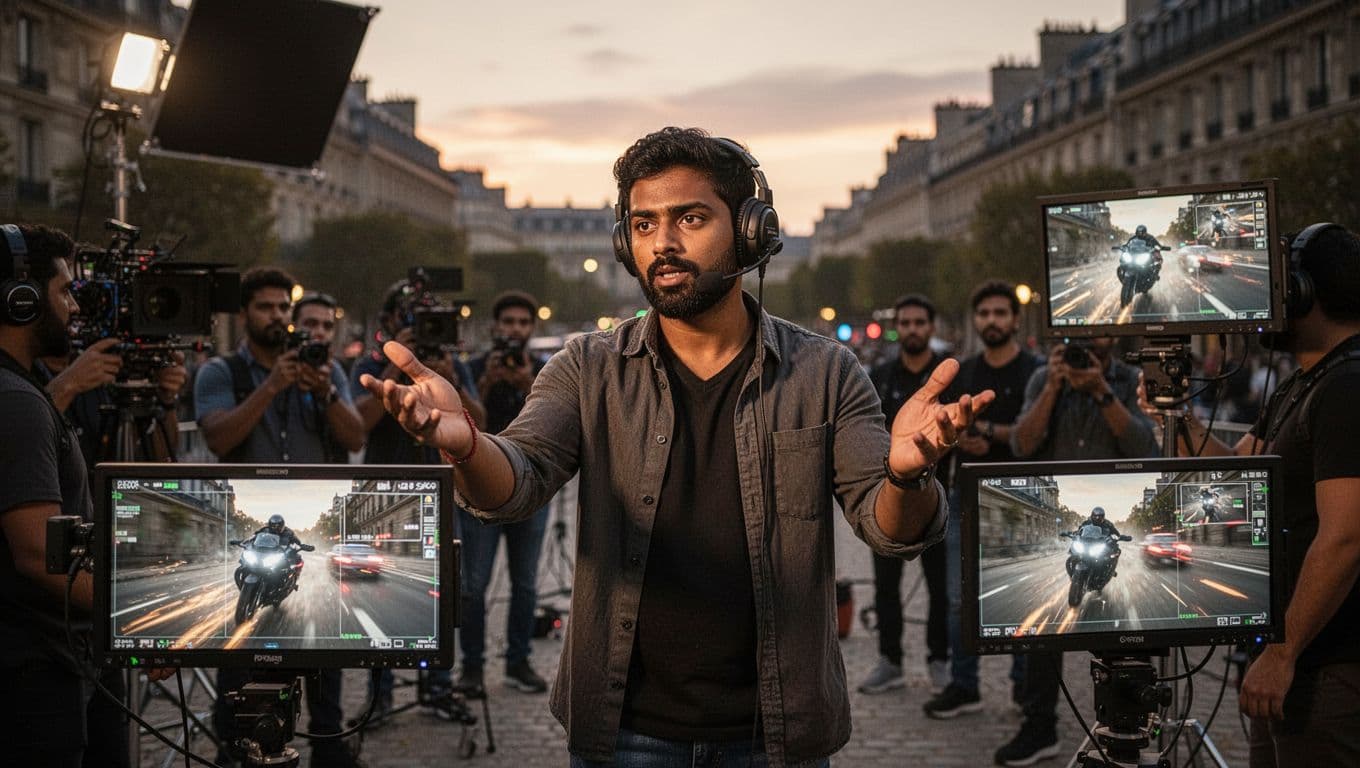
A new director stepping into an established universe can be the best kind of jolt. With Vinay Kumar Sirigineedi taking the helm (and co-writing with Adivi Sesh), G2 has a chance to keep the Goodachari identity while upgrading the staging and rhythm. Fresh eyes often spot old habits, like repetitive interrogation scenes or “talky” middle portions, and replace them with cleaner motion.
You can feel the upside in what’s been reported about the scale, overseas locations, longer schedules, and more sets. That kind of ambition usually works best when the direction feels modern and decisive, meaning tighter blocking, sharper transitions, and action that tells a story instead of just filling minutes. For the basic production context, Goodachari 2’s IMDb listing is a useful reference point.
Still, new energy comes with real risks. A spy film is like a watch; every moving part has to click, or the whole thing looks expensive but feels confusing. Here’s where that familiar-world, new-director mix can help or hurt:
- Fresh energy (pro): New staging can make chases and hand-to-hand scenes feel less “set piece,” and more survival.
- Sharper visual choices (pro): Cleaner frames and stronger geography can make the overseas setting feel lived-in.
- Pacing swings (con): Bigger movies sometimes over-extend, especially in the second act.
- Clarity problems (con): If the film hides the basics for too long, the mystery starts to feel like noise.
- Over-stylized scenes (con): A cool shot means nothing if you can’t track who wants what.
In a spy sequel, style should support the mission. When style becomes the mission, tension drops.
If G2 keeps the camera honest, meaning you always know what Gopi sees and what he risks, then the “new director” factor becomes a strength, not a gamble.
Spy-thriller writing basics: twists are fun, but clarity matters more
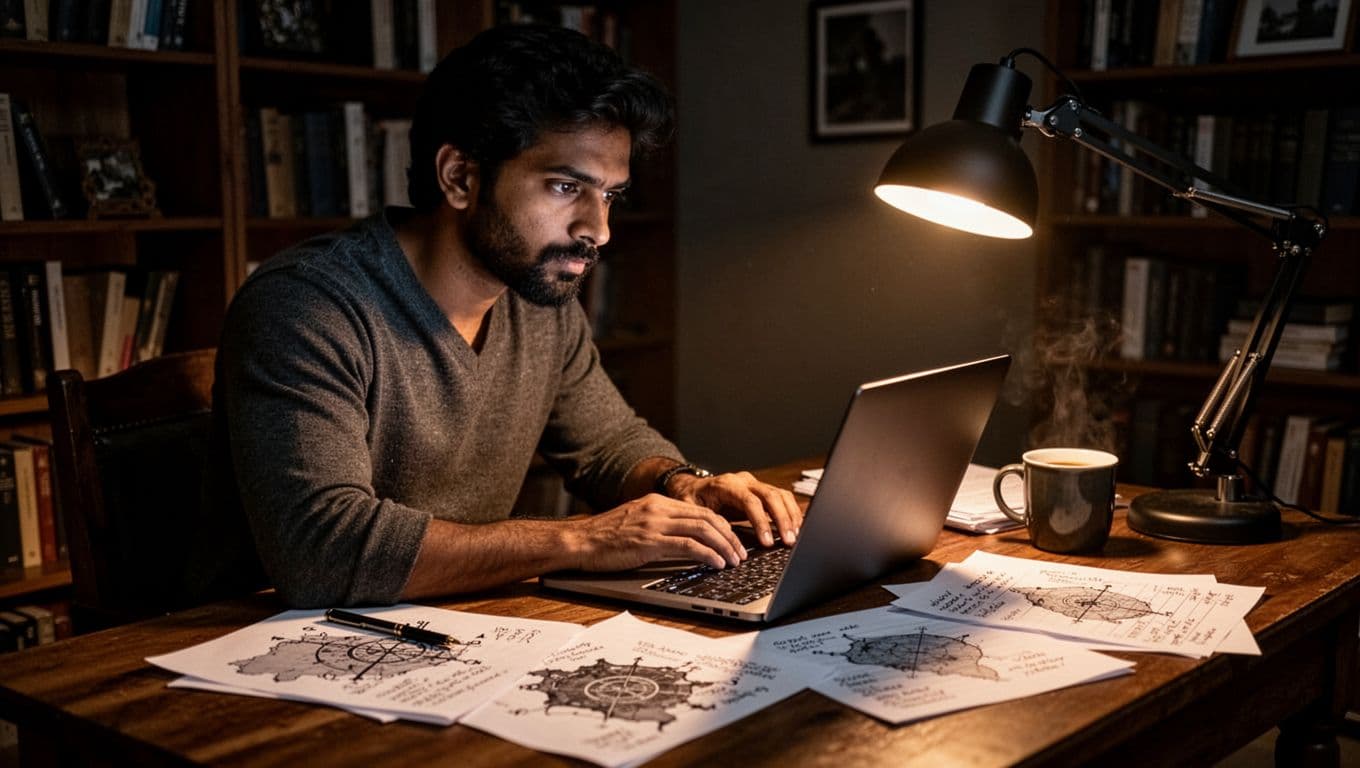
Spy writing has a simple rule that people forget: surprise is optional, clarity isn’t. You can throw in double-crosses, hidden identities, and last-minute reversals, but the audience still needs a clean grip on motive. Who’s pushing the threat forward? What does the villain gain? Why can’t the hero walk away?
That’s why the best spy thrillers build from the inside out. The action sells the danger, but the writing sells the logic. When a reveal lands, it should feel like the story snapping into focus, not like the movie changing the rules mid-game.
Strong spy-thriller scripts usually get three things right:
- Understandable motives: Even if the villain lies, their core goal stays consistent.
- Clean reveals: Clues appear earlier in small ways, then connect when it counts.
- Stakes that build: Each win creates a new problem, and each loss costs something real.
Sequels have an extra job. They must reward old fans with continuity, callbacks, and growth, but they also have to welcome new viewers who never saw Goodachari. The easiest way to do both is to keep the mission basics simple, then add complexity through character choices. If Gopi makes a risky call, the audience should understand why, even if they don’t agree.
If you want a quick, official snapshot of how the studio frames the story and creative roles, People Media Factory’s G2 page helps ground expectations. The real test, though, is whether the film communicates information like a good handler: on time, in order, and with purpose.
Pan-India ambition: why the multi-language release changes expectations
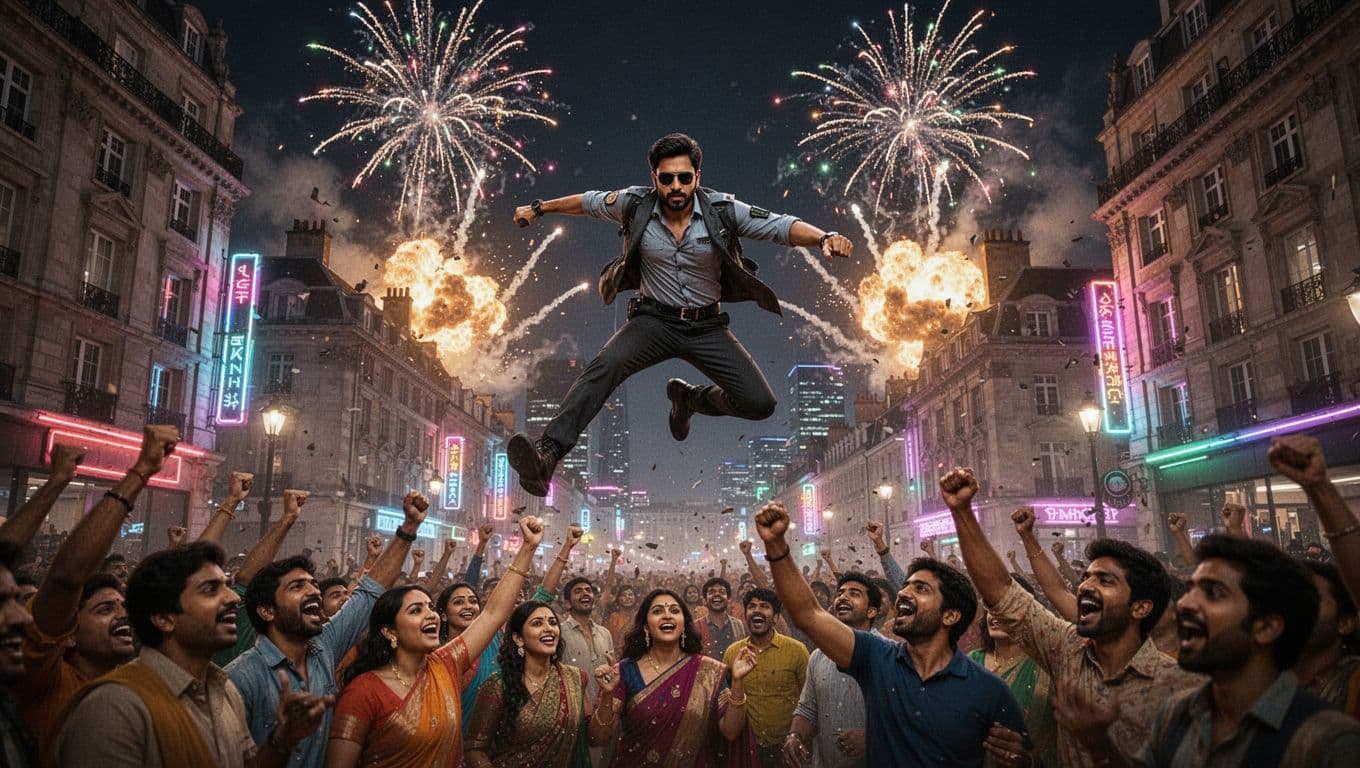
A multi-language, pan-India release is more than a distribution plan. It changes what audiences expect on a gut level. When a film plays across regions at once, viewers often look for bigger action, cleaner storytelling, and emotions that read clearly, even if you don’t catch every line.
That pressure can be good for G2. Pan-India spy thrillers tend to trim local in-jokes and tighten the mission logic, because the movie has to work for first-timers. The overseas setting also fits the wider reach. Global locations feel less like a gimmick when the film is already aiming for a broader audience.
At the same time, a bigger reach can push the film toward broader beats. If the writing starts explaining itself too often, tension drops. If the action becomes a highlight reel, the character starts to blur. The sweet spot is a story that’s easy to follow, but not dumbed down.
Here are the main expectation shifts that come with a multi-language rollout:
- Action has to tell a story: Set pieces should change the plan, expose a traitor, or force a sacrifice.
- Emotion needs a clean setup: You can go big, but you must earn it with simple groundwork.
- Plot should travel well: The mission, the stakes, and the choices need to read fast.
In short, pan-India ambition raises the ceiling, but it also raises the bar. If G2 meets that bar, it won’t just feel bigger than a typical spy film; it’ll feel more confident.
Action, visuals, and music: what the promos suggest (and what to be cautious about)
So far, G2’s promos and first looks lean into scale: bigger locations, sharper posing, and a “mission-first” attitude. That’s promising for a spy sequel, because spy action works best when it feels like problem-solving under pressure, not just noise.
At the same time, early marketing can mislead. Posters and short promo cuts often sell the loudest moments, not the moments that make the plot click. As you watch any teaser drops and song snippets, it helps to keep one question in mind: Does the style support the story, or replace it?
Chases and set pieces: do they feel story-driven or just loud?
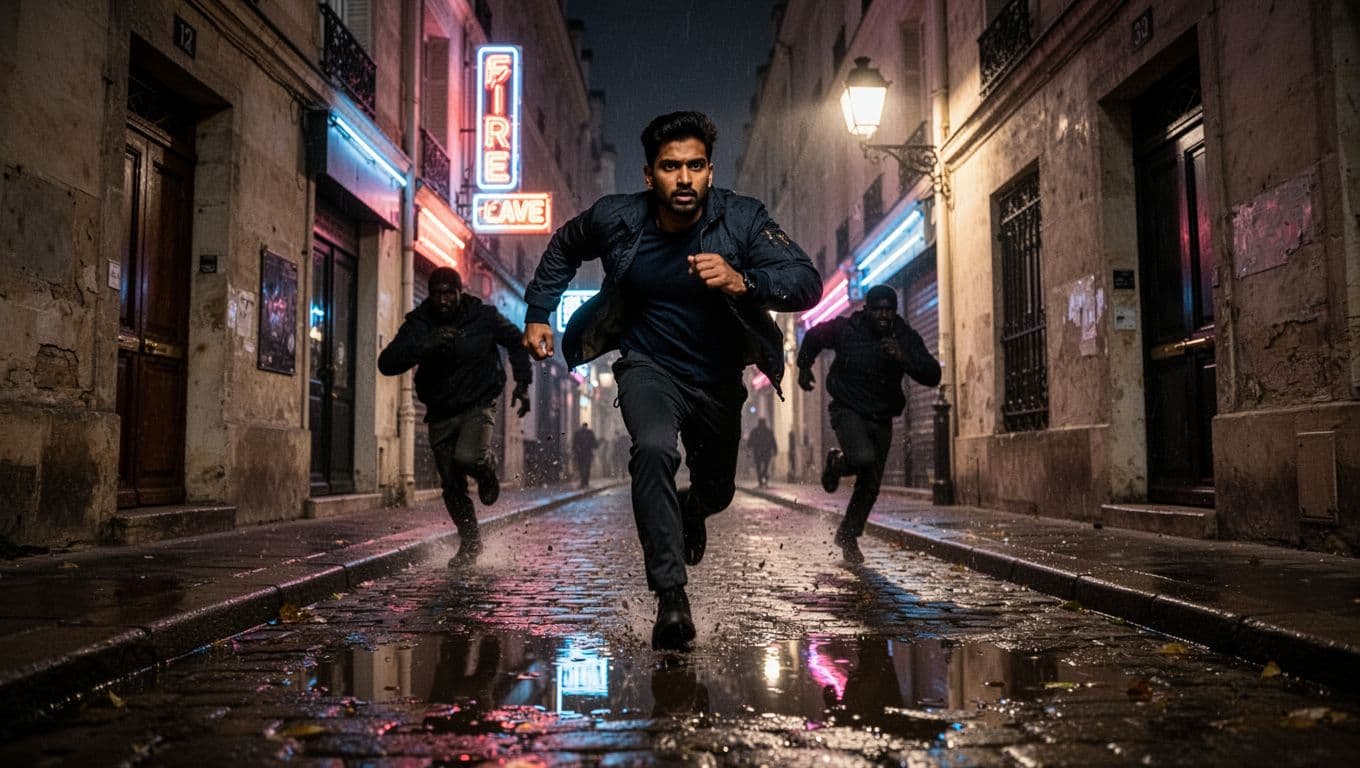
Big overseas action is a great hook, but it only lands when the sequence has a job. In a spy film, a chase should not exist just to look expensive. It should change the mission (lose a file, gain a lead, expose a mole, force a new plan).
Use this quick checklist while watching G2’s action beats in promos. The more boxes it ticks, the more likely the action will feel earned on release day:
- Clear goal: You instantly know what Gopi wants (escape, grab intel, protect a source). If you can’t say the goal in one sentence, the scene may be empty calories.
- Clean camera work: You can track who is where and why it matters. Fast cuts are fine, but confusing geography kills tension.
- Real consequences: A mistake costs something, for example, a cover gets burned, an ally gets hurt, or a key device breaks. Action without cost feels like a video highlight, not a mission.
- Varied beats: Strong spy action changes gears instead of repeating the same punch. Look for a mix like:
- Stealth (tailing, sneaking, silent takedowns)
- Combat (short, sharp fights that end fast)
- Escape (improvised routes, close calls, timed exits)
One useful caution: some promos overuse “impact shots,” meaning explosions, glass breaks, and bodies flying. Those are fine as spice, but not as a meal. If a chase looks intense yet you can’t tell what anyone is trying to achieve, that’s a warning sign.
For a pulse check on what’s been shared publicly around the film’s scale and release plans, Cinema Express coverage of G2’s release date offers a simple roundup.
A good set piece feels like a decision under stress, not a stunt reel.
Cinematography and locations: using six countries without losing focus

“Shooting in six countries” sounds exciting because it naturally raises the stakes. New cities mean new rules, new surveillance, and fewer safe exits. Even simple tasks (getting a car, meeting a contact, swapping a SIM) become risky when you are outside your home system.
Still, globe-hopping can backfire when the film treats locations like postcards. You’ve seen it before: slow pans over skylines, tourist landmarks, shiny cars, then a random fight. That can feel like a travel ad wearing a spy mask.
Instead, look for visual storytelling that makes each place matter. The best international spy films make location a pressure point, not just a background. Here are a few signs G2 is using its countries for a purpose:
- The city shapes the strategy: Crowded markets force close-range tradecraft, wide open roads create long pursuit tension, and tight interiors push hand-to-hand urgency.
- Props and spaces tell a story: Safe houses feel temporary, hotel corridors feel watched, and public places feel dangerous because someone can spot you.
- Color and framing track the mission: When Gopi’s cover is stable, frames may look calmer. When the plan collapses, angles tighten, and shadows creep in.
- Transitions feel motivated: New country, new objective. If the film jumps borders just to “level up” the scale, the plot can start to feel scattered.
A simple way to judge it when fuller footage arrives: ask whether you could follow the story with the volume turned down. If you still understand the chase, the risk, and who holds power, the visuals are doing their job.
If you want a quick reference for what’s confirmed about the multi-country production and credits so far, the G2 film overview is a convenient starting point (just keep in mind details can update as the release nears).
Sricharan Pakala’s score: building tension, not just hype
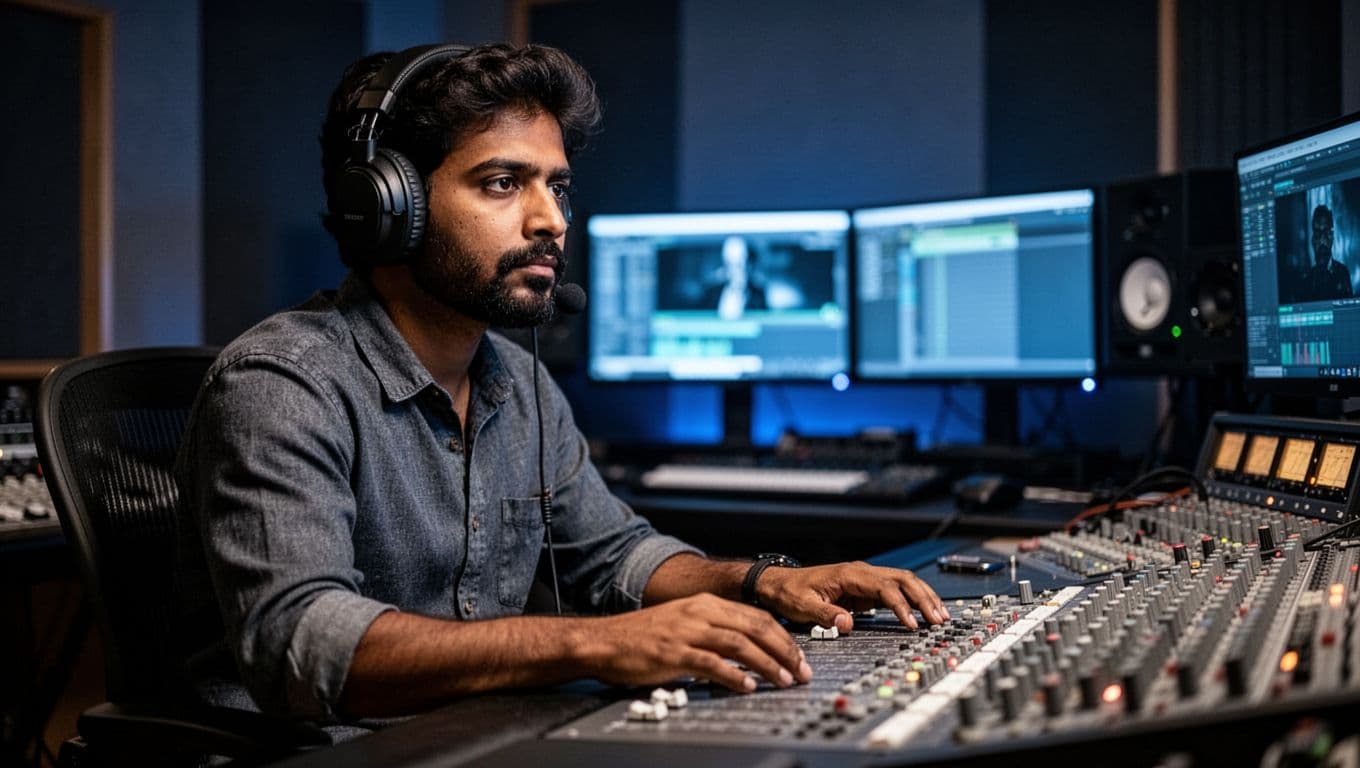
A spy score should work like a second heartbeat. It should tighten your chest when a lie lands, then go quiet when silence becomes dangerous. Sricharan Pakala’s return is a plu, because continuity matters in a sequel’s sound. The goal is not constant hype; it’s control.
Here’s what a good spy score usually does (and what to listen for when promo snippets and teasers drop):
- Quiet suspense cues: Soft pulses, low drones, and minimal motifs during surveillance scenes. The music should make you feel watched, even before anything happens.
- A clean pursuit rhythm: During chases, the beat should push momentum without drowning the scene. If every chase uses the same “big drums” pattern, it starts to blur.
- Emotional themes that stick: A simple theme for Gopi, or for the cost of the mission, can add weight. When that theme returns later, it should feel like a bruise getting pressed, not a victory lap.
- Smart use of silence: Sometimes the best music choice is pulling back. Footsteps, breath, and distant traffic can build more tension than a wall of sound.
One caution: promo edits often slap heavy music over everything, even dialogue. That can hide weak writing. If later teasers let conversations breathe, that’s a good sign the film trusts its story.
Who will enjoy G2, and how it may compare with Goodachari
If Goodachari felt like a smart, grounded spy ride, G2 (Goodachari 2) looks ready to take that same DNA overseas with bigger stakes. The fun part is the mix: spy tradecraft, betrayals, and that patriotic pulse that keeps the mission personal, not just flashy.
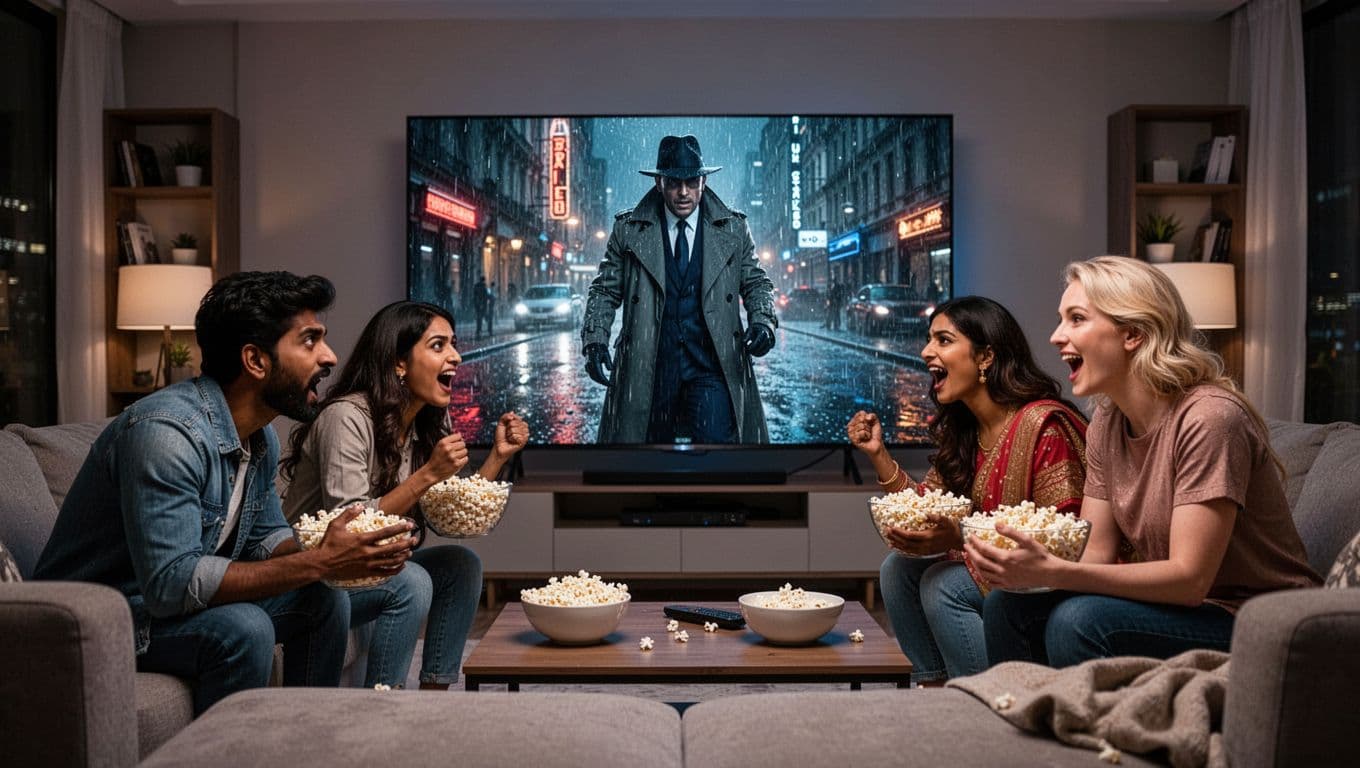
Even before opening day, you can tell who this sequel is speaking to. If you like your action with brainwork and consequences, you’re probably in the right lane.
If you love spy stories with twists and patriotism, this is for you
Some movies are easy to enjoy because they hit a clear mood. G2 seems built for viewers who want suspense that stays tied to character, with just enough emotion to make the danger feel real.
You’ll likely enjoy G2 if you’re the type who likes:
- Twists that reframe scenes: You enjoy looking back and spotting clues you missed.
- Patriotism without preachiness: You want the mission to matter, but you still want human stakes.
- Cat-and-mouse tension: Surveillance, tailing, coded chats, and quiet danger beat loud chaos for you.
- A calm, capable lead: You prefer a hero who thinks first and fights when cornered.
- Villains with charm and menace: A bad guy who can smile while lying is your kind of threat.
- Globe-hopping pressure: New cities, fewer safe exits, and higher risk make the story feel tighter.
If that sounds like your watchlist, G2 should scratch the same itch as Goodachari, just on a wider map. For a quick sense of how the team has framed that international jump, see Adivi Sesh on G2 going international.
Do you need to watch Goodachari first? A simple guide
You don’t have to turn this into homework, but a little context can raise the payoff. Think of Goodachari as the first chapter that teaches you who Gopi is when the pressure hits.
Here’s the simplest way to decide:
- If you’re a fan rewatching: Rewatching Goodachari is worth it if you love callbacks. It refreshes Gopi’s origin, his emotional baseline, and the tone of the series. You’ll catch small details faster, especially if G2 mirrors earlier choices in a new setting.
- If you’re totally new, start with Goodachari if you can. You’ll understand the stakes sooner, and Gopi’s decisions will carry more weight. If time is tight, you can still try G2, but expect a few references that land better with context.
- If you’re a casual action watcher, you can jump into G2 if you mainly want set pieces, travel scale, and a clear hero versus villain track. Still, watching Goodachari first might surprise you, because it leans on tension and twists more than pure spectacle.
If G2 keeps the story clean, it should work as a sequel and a stand-alone. Watching Goodachari first just adds extra flavor.
Early expectations checklist: what to hope for before opening day
Until a full trailer and reviews arrive, it helps to keep expectations practical. A great spy sequel usually doesn’t add more noise; it adds sharper choices.
Here’s a quick checklist of what to hope for with G2:
- Strong villain motive that stays consistent, even when the villain lies.
- Smart spy tradecraft, like surveillance, misdirection, dead drops, and believable cover tactics.
- Tight pacing where each scene either advances the mission or raises the cost.
- Emotional payoff tied to Gopi’s identity, loyalty, and personal sacrifice.
- Action that serves the plot, meaning every chase or fight changes the plan, not just the volume.
If G2 hits those five, it can compare well with Goodachari while still feeling like a bigger step forward. For a fan pulse check on what people loved about the first film (and what they want repeated), the Tollywood discussion thread on G2 expectations is a useful snapshot.
Conclusion
G2 (Goodachari 2) looks like it’s taking Agent Gopi’s world and stretching it across borders, with higher stakes and fewer safety nets. The overseas mission setup matters because it naturally adds pressure, distance from backup, and more chances for a cover to crack. Just as important, the story seems built around what “success” costs, not only whether the bad guys lose.
Casting also hints at a sharper push and pull this time. Adivi Sesh’s calm, method-first presence fits the franchise, while Emraan Hashmi’s rumored dual-shade villain energy could bring real uncertainty to every alliance. Add Wamiqa Gabbi as a wildcard agent, and you have the right mix for paranoia, shifting loyalties, and tight reveals, if the writing stays clear.
Still, this is a preview-style G2 movie review, because the film has not been released yet, and there’s no full trailer to judge pacing or action geography. Based on confirmed details, the pan-India, multi-language rollout, six-country scale, and Sri Charan Pakala’s return suggest a sequel that wants to feel bigger without losing tension.
Add G2 to your watchlist for May 1, 2026, share your expectations in the comments, and come back after release for the full review.



