
Movie Reviews
Nagabandham: The Secret Treasure (2026) Review and Plot Breakdown

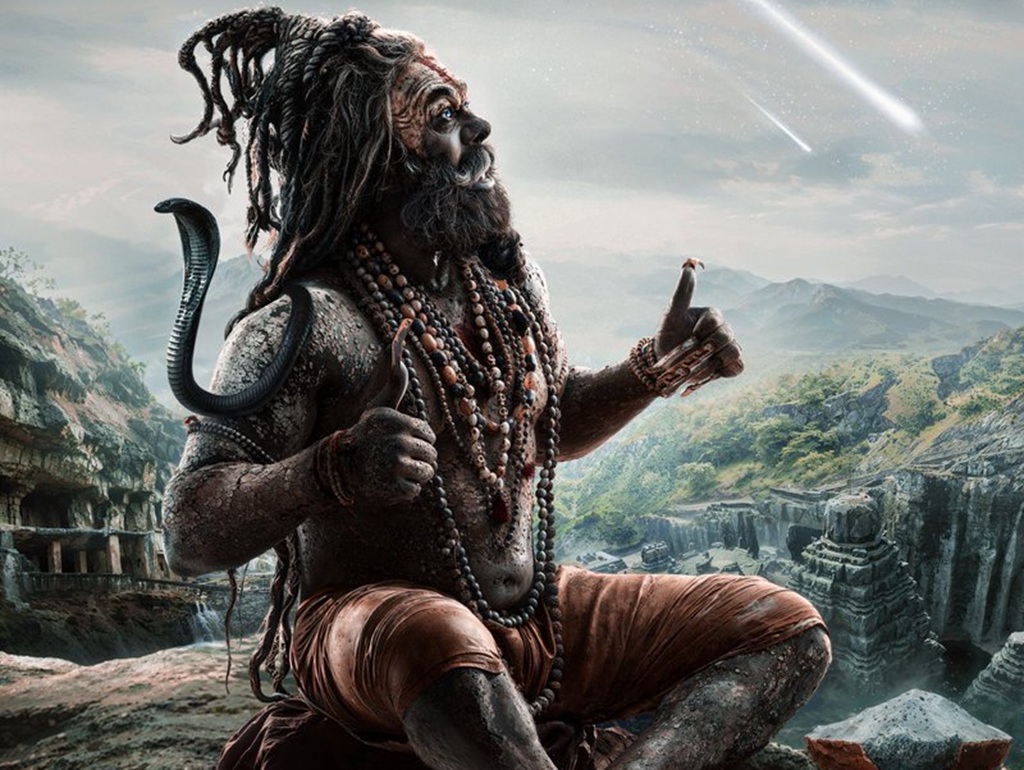
Nagabandham: The Secret Treasure arrives on July 3, 2026, and it’s already drawing attention for its mythological adventure setup. The film blends action, drama, and thriller elements around the mystery of ancient Vishnu temples, hidden rituals, and a treasure-linked secret that feels rooted in faith and folklore.
This review looks at the story setup, cast, visuals, themes, and overall appeal without overselling what the film can deliver. With Virat Karrna, Nabha Natesh, Ishwarya Menon, Mahesh Manjrekar, and Jagapathi Babu in the cast, there’s enough star power to support the scale of the premise.
What stands out most is the mix of temple imagery, spiritual mystery, and high-stakes tension. If you want to know whether Nagabandham: The Secret Treasure looks like a rich period-style mythic thriller or just another glossy spectacle, the next section gets into that.
What Nagabandham: The Secret Treasure is about
Nagabandham: The Secret Treasure centers on a hidden mystery tied to ancient Vishnu temples, sacred customs, and a ritual that has stayed buried for generations. The setup is simple on the surface: people uncover clues around a temple-linked treasure, then danger follows. But the story adds weight by connecting that chase to faith, history, and old belief systems.
The film does not treat the temples as background decoration. They are the heart of the story, where every carving, corridor, and ritual detail can point to a larger secret. That gives the plot a strong mythic feel, because the treasure is never just treasure. It feels tied to worship, memory, and a power people have guarded for years.
For viewers who want a quick reference point, the film’s current plot summary on IMDb and the movie details listing both point to the same core idea, an adventure built around hidden temple lore and the Nagabandham ritual.
The ancient temple mystery at the center of the story
The temple setting matters because it gives the movie its tension and its identity. Old traditions, sealed spaces, and sacred rules create a sense that some doors should stay closed. That kind of setting naturally raises the stakes, because every discovery feels like a risk.
At the same time, the temples make the film feel larger than a normal treasure hunt. The mystery is wrapped in devotion, so the story can move between reverence and fear in a single scene. That mix gives the movie a spiritual edge and makes the search for answers feel heavier than a simple chase.
Why the plot feels part thriller and part spiritual journey
The story works because it keeps shifting between discovery and danger. One moment, characters are tracing clues. The next, they are facing threats that seem rooted in both human greed and sacred warning.
That balance gives the film two different moods at once. It has the pressure of a thriller, but it also carries the pull of a spiritual journey, where belief matters as much as evidence. In short, the plot invites you into a mystery that is as much about faith as it is about what gets buried under stone.
Cast and characters that shape the film
A film like Nagabandham: The Secret Treasure needs more than a strong premise. It needs a cast that can carry mystery, tension, and belief without making the story feel heavy. That is where the lineup matters, because the film depends on faces that can hold the audience’s attention even when the plot shifts between myth, danger, and emotional stakes.
Virat Karrna’s lead performance and screen presence
Virat Karrna carries the weight of the lead role, and that matters in a story built on secrets and sacred history. The central character has to feel alert, determined, and rooted in emotion, because the film needs a lead who can move between curiosity and intensity without breaking the mood.
That kind of role asks for more than confidence. It needs presence in quiet moments, too, since mystery stories often live or die on how well the lead reacts to clues, fear, and pressure. If Karrna brings the right mix of restraint and force, the film gets a solid anchor.
In a mythological thriller, the lead cannot disappear into the background. He has to feel like the person the story is built around.
How the supporting cast adds depth and conflict
The supporting cast gives the film its shape and size. Nabha Natesh and Iswarya Menon bring strong screen appeal, while veterans like Mahesh Manjrekar, Jagapathi Babu, Murli Sharma, Jayaprakash, Anasuya Bharadwaj, John Vijay, and others add the kind of authority this genre needs.
Familiar actors help ground a story that could otherwise feel too stylized. Their faces bring instant tension, and their performances can make even simple scenes feel loaded. For a film tied to temple lore and hidden power, that mix of gravity and drama is a real advantage.
A strong ensemble also helps the movie avoid feeling one-note. Each actor can add a different shade, whether it is suspicion, dignity, or threat. That balance gives Nagabandham a better chance of feeling large, controlled, and dramatic at the same time.
Direction, world-building, and the film’s big-screen feel
Nagabandham: The Secret Treasure needs direction that keeps its ideas clear while still giving the material room to breathe. Mythology, mystery, and commercial cinema can clash fast if the tone slips. The film has to explain its world without slowing the momentum, and it has to build wonder without losing control of the plot.
Abhishek Nama’s challenge is simple to describe and hard to pull off. The story needs to feel rooted in temple lore, but it also has to play like a proper thriller. That means the pacing has to stay sharp, the reveals have to land cleanly, and every scene needs a reason to exist. A story like this can’t coast on visuals alone. It needs structure, because a loose script would drain the tension out of the mystery.
A glimpse of the film’s tone suggests a focus on spiritual scale and visual force, which fits a project like this. As Times of India noted, Abhishek Nama has described the film in emotional and faith-driven terms, and that kind of intent matters when the story is built on belief, legend, and danger.
How the direction handles mythology and modern storytelling
The tricky part here is balance. If the mythology takes over, the film can feel heavy and static. If the modern thriller beats take over, the sacred material loses its power. The direction has to keep both sides alive at once.
That usually means clean scene design, clear stakes, and controlled pacing. The audience should always know what the characters want, what stands in their way, and why the next clue matters. When a film like this works, the mythology feels active, not decorative.
Why the setting matters as much as the characters
The temples, rituals, and sacred geography are not just backdrop, they are part of the film’s identity. India-wide temple imagery can give the story a wider canvas, especially when location, architecture, and atmosphere all feed the suspense.
Dark corridors, ritual spaces, and weathered stone can do a lot of the storytelling for free. They create tension before a character even speaks. That is where the big-screen feel comes from, the sense that the film belongs in a large, immersive frame where every detail carries weight.
What to expect from the film’s tone, visuals, and technical style
Nagabandham: The Secret Treasure looks built for viewers who want scale with purpose. The film’s tone should sit between adventure, mystery, and spiritual drama, so the biggest test is balance. If it keeps that balance, the movie can feel like a proper temple-led thriller instead of a plain spectacle.
Action and adventure elements that should keep the story moving
Treasure stories work best when every clue leads to risk. That means quick turns, hidden passages, and a steady sense that someone is always one step behind. In a film like this, the action should not exist just for noise, because the search itself needs to drive the scenes forward.
The film’s setup suggests a chase built on myth, danger, and discovery. That usually means the pace has to stay tight, especially if the runtime is not listed yet and pacing has to do extra work. A story with sacred secrets and ancient rituals can slow down fast if it lingers too long on exposition.
The best treasure films keep you moving because every answer creates a new problem.
That is why the adventure angle matters so much here. If the clues feel connected and the danger keeps rising, the movie can hold attention even in slower scenes. For a similar review style focused on momentum and payoff, the Nilakanta movie analysis shows how structure can shape audience response.
The visual style a mythological thriller needs to work
This kind of story lives or dies on its look. Temple imagery, stone textures, sacred symbols, and large-scale set work need to feel rich, not crowded. If the production design looks thin, the mystery loses weight right away.
The teaser and early materials point toward a grand visual frame, with glowing entrances, dark corridors, and a strong sense of old-world scale. That matters because mythological thrillers need texture as much as size. Costumes, lighting, and set detail have to support the world, not distract from it.
A film like this also benefits from careful composition. Wide shots can sell the scale of the temples, while close-ups can keep the emotional pressure alive. When those choices work together, the story feels lived in. The title glimpse breakdown gives a useful early look at the visual ambition behind that approach.
Music, mood, and emotional weight in a spiritual adventure
Sound will carry a lot of the film’s mood. A strong background score can build tension before a reveal, add wonder to temple spaces, and give devotional moments real force. That mix matters, because a spiritual adventure needs both suspense and reverence.
The music should also help separate quiet mystery from open conflict. Deep percussion, chant-like layers, and sharp accents can make the action feel heavier, while softer passages can leave room for awe. If the score is too loud all the time, the emotion flattens. If it stays too soft, the danger loses edge.
In short, the film’s technical style has to work like a support beam. Visual scale draws you in, sound keeps you there, and tone decides whether the mystery feels sacred, tense, or both. If those pieces click, Nagabandham: The Secret Treasure could deliver the kind of mythic adventure that feels bigger than its plot alone.
Should you watch Nagabandham: The Secret Treasure in 2026?
If you enjoy films that mix mythology, temple mystery, and large-scale Telugu cinema, this one should stay on your radar. Nagabandham: The Secret Treasure is set for a theatrical release on July 3, 2026, and the premise already has the kind of hook that can carry a crowd-pleasing big-screen film.
It looks especially appealing if you like stories built around sacred spaces, hidden rituals, and treasure-driven tension. The movie is also planned as a pan-India release in Telugu, Hindi, Tamil, Kannada, and Malayalam, which gives it a wider reach than a typical regional release. For a quick check on the release listing, the movie details on eTimes and IMDb’s release info page both confirm the current release window.
Who this movie is likely to appeal to
This film is a good fit for viewers who want more than a simple action story. If you enjoy epic plots, religious mystery, and the visual scale of Indian commercial cinema, the setup matches that taste well.
It should also connect with fans who like:
- Temple-based stories with old secrets
- Adventure films tied to faith and folklore
- Star-driven Telugu movies with a mass audience feel
- Pan-India projects with broad genre appeal
If you usually skip small, low-stakes dramas, this one may be more your speed. The film seems built for people who want grandeur, suspense, and a sense of sacred history in the same package.
Final review verdict based on the film’s concept and promise
Based on what is known so far, Nagabandham: The Secret Treasure looks promising, but it still needs to prove itself on screen. The concept is strong, the cast has enough weight to support the material, and the genre mix gives it a clear identity.
That said, it’s still an upcoming film, so expectations should stay grounded. The real test will be how well it balances myth, action, and emotional clarity. If the script stays tight and the visuals deliver, this could be a solid watch for fans of temple mysteries and Telugu commercial cinema. If you want a film with a fresh, faith-linked hook, this is one worth watching in 2026.
Conclusion
Nagabandham: The Secret Treasure has a clear pull because it mixes temple lore, hidden rituals, and a treasure-driven plot with real scale. That mythological mystery gives the film its biggest selling point, and the cast adds enough weight to keep attention on the story before release.
The real draw is the promise of an action-adventure drama rooted in Indian heritage, where faith and danger sit side by side. If the film keeps its focus tight and its visual style strong, it looks like a promising watch for fans who want suspense with cultural depth.
For viewers who enjoy grand Telugu cinema with a spiritual edge, this is one to keep an eye on in 2026.



