
Movierulz
Raakaasaa Movie: The Story Mixes Romance, Fantasy, and Satire

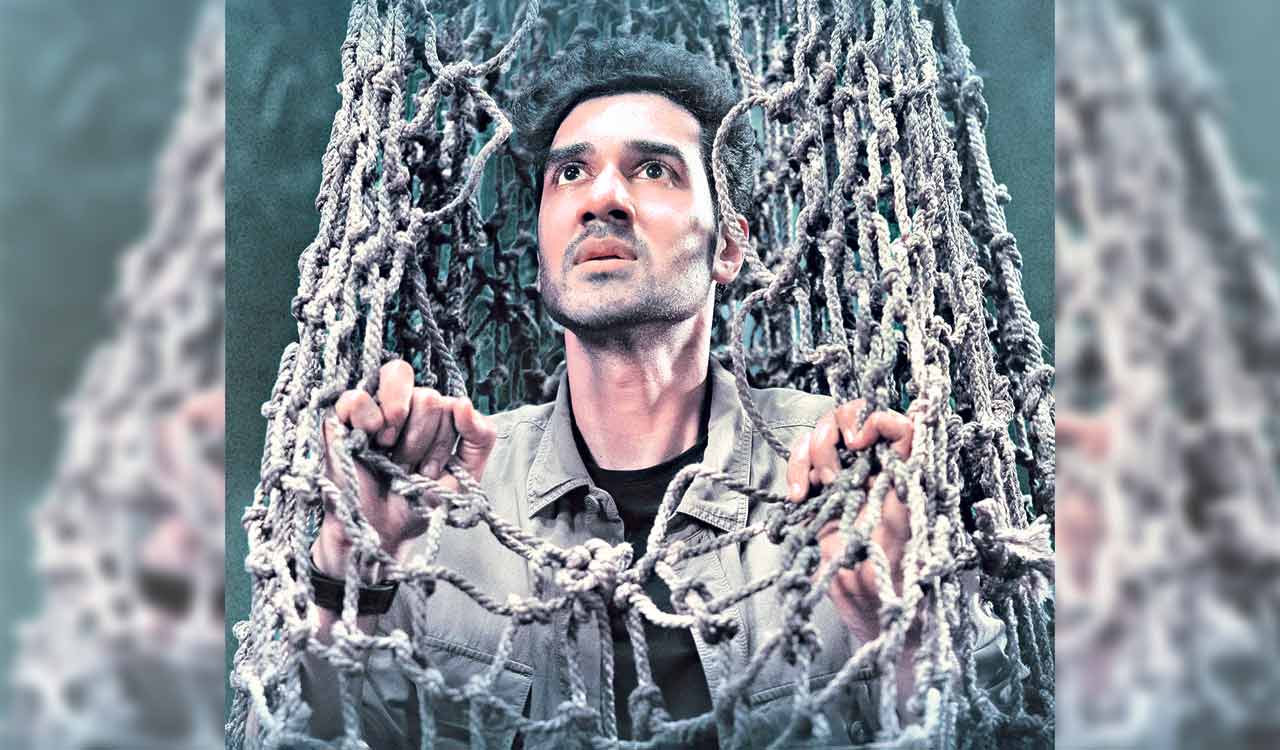
Raakaasaa Movie Review: Rakshasa (2026) Explained
If you searched for a Raakaasaa movie review, the title mix-up is easy to understand. As of March 2026, Raakaasaa is the unreleased Telugu fantasy-horror-comedy set for April 3, 2026, so there isn’t a full review to judge yet. Because of that, many readers looking up alternate spellings like Raakaasaa, Raakshasa, or Rakshasa are often trying to find the closest confirmed match, the 2025 Kannada horror thriller Rakshasa.
That makes this review a practical guide if you want the right film before you press play. Without giving away major twists, it looks at the story setup, Prajwal Devaraj’s lead turn, the demon lore, the scares, the pacing, and where the movie works best, along with the parts that don’t land as cleanly. So if you want to know whether Rakshasa is a smart horror pick or a mixed bag with a strong hook, the review below gets into that next.
Raakaasaa review in short, a bold horror thriller with a clever hook
If you’re here for the short version, Rakshasa is easy to sum up. It’s a solid horror thriller with a smart setup, a committed lead performance, and just enough fresh ideas to stand out, even when the execution gets shaky. The film doesn’t always tie its rules together cleanly, but its core hook is strong enough to keep you watching.
What makes it click is the mix. You get demon lore, a trapped-location setup, and a repeating-hour device that turns a simple night at a police station into a pressure cooker. As a quick recommendation, this is worth a watch if you like horror that plays with structure, not just jump scares.
Why the hook works so well
The best thing about Rakshasa is how fast it sells its idea. A suspended cop, a sealed demon box, a rundown police station, and one cursed hour that won’t end, that’s the kind of premise that grabs you right away. According to coverage from Times Now’s review, the film centers on Satya, who gets trapped in this nightmare loop while facing both a demon and his own past.
That setup gives the movie a strong engine. Every repeat has built-in tension because the viewer keeps waiting for one small change to break the cycle. In other words, the loop isn’t just a gimmick. It’s the movie’s heartbeat.
There’s also something appealing about how the film uses folklore inside a modern thriller frame. Instead of picking one lane, it puts myth and crime stress in the same locked room. That creates a mood that feels more curious than generic, especially in the early stretch.
Short verdict: the premise is sharper than the average horror setup, and that alone gives the film an edge.
Prajwal Devaraj also does a lot of heavy lifting. Since much of the film leans on his reactions, panic, and grit, the lead performance has to hold the frame together. Most reviews agree that he does. The Times of India review also pointed to his performance as one of the film’s clear strengths, and that feels fair.
Where the movie lands, and where it stumbles
As a short review, the fairest take is this: Rakshasa is more interesting than polished. It has a bold shape, and that’s a real plus. At the same time, it doesn’t fully smooth out the rough edges.
The biggest win is atmosphere. The closed setting, the dark-hour tension, and the sound-led mood help the movie stay watchable even when the plot starts circling. That matters because repetition can kill suspense if the script isn’t careful. Here, the film avoids a full collapse because the concept keeps pulling you forward.
Still, the weak spots are hard to ignore. The loop logic appears messy at times, and some horror beats feel familiar rather than scary. A few reviews also noted that the film stretches certain repeats too long. Cinema Express described it as a horror experiment with a time-loop twist, which fits well, because “experiment” is the keyword. Some parts land. Others feel half-formed.
Here’s the cleanest way to look at it:
- What works: the premise, Prajwal Devaraj’s screen presence, the myth-and-loop mix, and the tense setting.
- What doesn’t: uneven scares, fuzzy rules, and a structure that can feel repetitive.
- Who will like it: viewers who enjoy horror thrillers with a strong concept, even if the payoff is uneven.
So, is it great? Not quite. Is it easy to dismiss? Also no. Rakshasa feels like a movie that swings hard, and that counts for something. Even when it misses, it misses while trying to do more than the usual haunted-house routine. For many horror fans, that’s enough reason to give it a shot.



