
Movie Reviews
Psych Siddhartha Review: A Messy, Moody Telugu Drama That Still Leaves a Mark


Some films try to comfort an audience. Psych Siddhartha tries to unsettle it first. That choice defines this 2026 Telugu romance drama with dark comedy elements, and it also explains why the response has been so split.
Released in theaters around the start of January 2026 and later arriving on Aha in early 2026, the film follows a young man who falls apart after betrayal in both love and business. From there, it mixes heartbreak, odd humor, anger, and a slow search for peace. This review looks at the plot setup, performances, direction, themes, strengths, flaws, and the final verdict. At its best, the film feels bruised and honest. At its weakest, it confuses noise with depth.
What Psych Siddhartha is about, and why its setup grabs attention
On paper, the story sounds direct. Siddhartha Reddy is a young man with dreams, some talent, and very bad luck. He puts his trust and money into an event business, only to get cheated by his partner Mansoor. The wound cuts deeper when Trisha, the woman he loves, leaves him for the same man.
That double betrayal pushes him into a low, ugly place. He drinks, loses control, and starts living like a man trapped inside his own collapse. The film stays close to that damaged headspace. It shows his pain, but it also pokes at it with dark humor.

Then the film changes shape. Siddhartha meets Shravya, a classical dancer carrying her own pain. She is trying to escape an abusive marriage while protecting her child. Their bond becomes the emotional center of the movie, but the script never turns it into a soft rescue fantasy. It keeps both characters scarred, cautious, and imperfect.
That setup grabs attention because the tone feels unusual. The film blends romance drama, mental chaos, and black comedy in a way that can feel fresh or frustrating, sometimes within the same scene. Pop-up text, fast cuts, and quirky visual beats mirror Siddhartha’s unstable mind. That risk is part of what made the film stand out, even in TrackTollywood’s review, which saw the concept as stronger than the execution. For audiences tired of tidy love stories, the premise has real bite.
A quick look at the cast, crew, and release details
Psych Siddhartha marks the feature debut of director Varun Reddy, and it carries the energy of a first film that wants to say a lot at once. Shree Nandu plays Siddhartha, with Yaamini Bhaskar as Shravya and Priyanka Rebekah Srinivas as Trisha. The supporting cast includes Sakshi Atree, Mounika, Narasimha S, Sukesh, Wadekar Narsing, and Pradyumna Billuri.
The film is backed by producer Shyam Sunder Reddy Thudi and presented by Spirit Media. Its rollout gave it two chances to find viewers, first in theaters during the New Year frame, then on Aha soon after. That early 2026 release window helped it get noticed, because its rough, offbeat tone looked bolder next to safer, more standard titles.
Where the movie works best, performance, mood, and emotional pull
The best reason to watch Psych Siddhartha is Shree Nandu. He does not play Siddhartha as a clean victim or a polished tragic hero. Instead, he gives the character vanity, anger, shame, confusion, and moments of tenderness. That makes Siddhartha harder to admire, but much easier to believe.
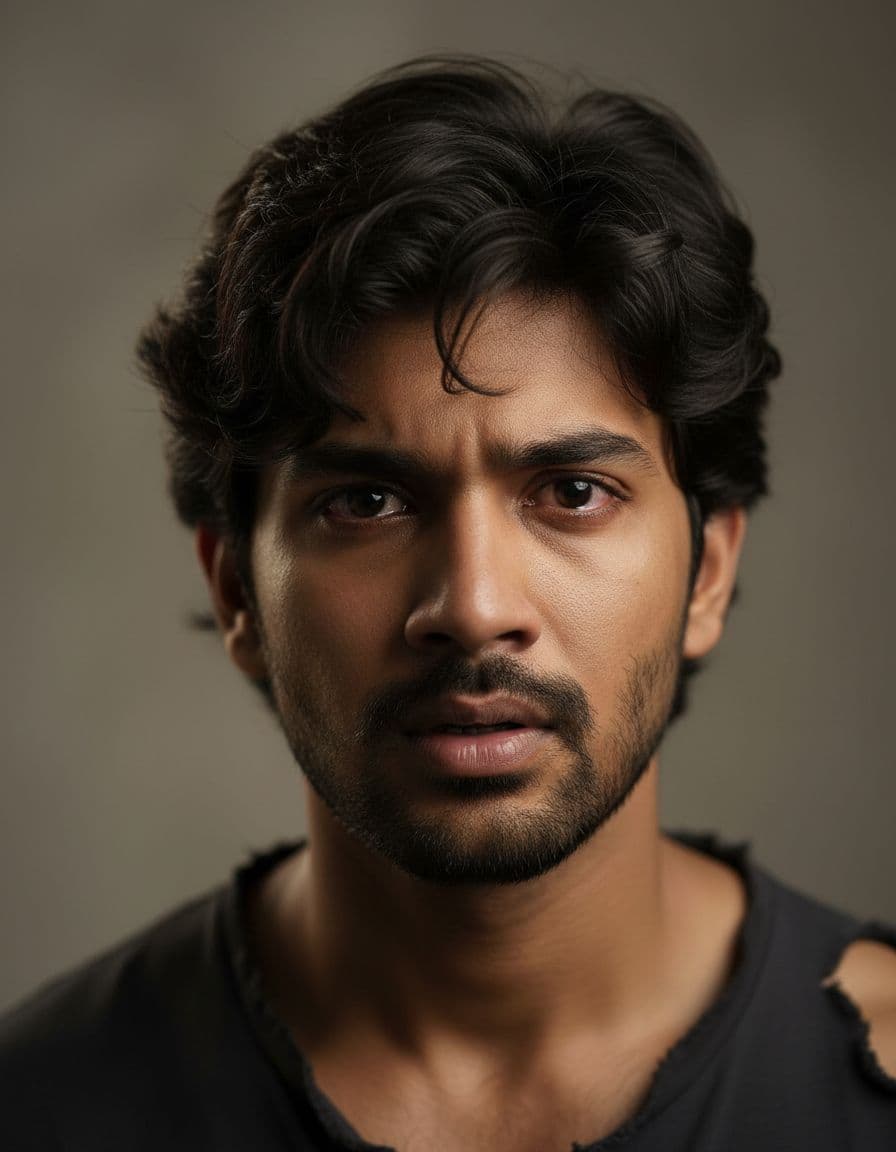
In the breakdown scenes, the film leans hard on his face and body language. That turns out to be a smart move. Nandu looks tired, restless, and embarrassingly exposed. He can switch from pain to absurd behavior in seconds, and that swing suits the film’s strange tone. Even when the writing gets shaky, his performance holds the center.
Yaamini Bhaskar helps in a quieter way. Her Shravya is warm, but she is not written as a fantasy healer. She feels like a woman who has learned to stay guarded. Because of that, the chemistry has a hesitant texture. The film becomes stronger whenever it slows down and lets Siddhartha and Shravya simply talk, sit, or share silence. Those scenes are small, but they matter. They also explain why ABP Desam’s review saw more in the film than shock value or bold content.
The mood also carries weight. Rooms look tired. People seem half-broken before they speak. Even the humor comes with a bitter taste. That works, because Siddhartha’s journey is less about romance than self-respect. The film makes a sharp choice by tying his recovery to painting. Art becomes a way back to himself, not a magic cure.
Psych Siddhartha works best when it stops trying to look wild and simply watches a hurt man trying to stand up.
That emotional pull will not land for every viewer. Still, when it lands, it hits with force.
Where Psych Siddhartha loses balance
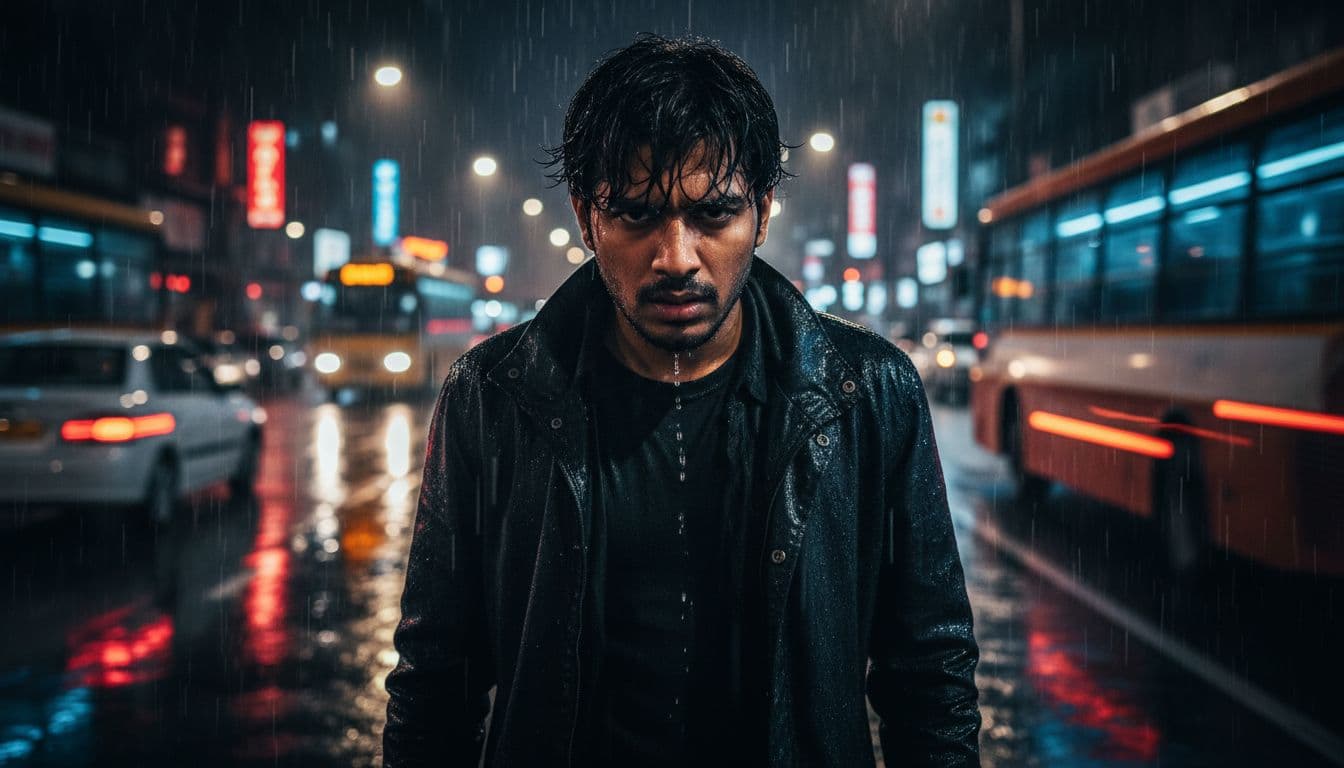
For all its heart, the film struggles with control. Varun Reddy clearly wants the narrative to feel jagged and unstable. Sometimes that works. At other times, it just feels scattered.
The main problem is consistency. Dark comedy needs timing, and the movie does not always have it. A few comic moments grow naturally from Siddhartha’s broken state. Others feel forced in, as if the film worries plain drama might not be enough. As a result, scenes that should hurt often get undercut by style choices that call attention to themselves.
The writing of the side characters also weakens the story. Mansoor exists more as a wound than as a full person. Trisha matters to the plot, but the script gives her limited emotional shape. Some supporting roles arrive, serve a purpose, and disappear. That puts even more pressure on the lead performance to supply depth.
The visual tricks can also wear thin. Fast cuts, pop-up cues, and odd tonal swerves show what the director wants the audience to feel, but they do not always earn it. When the film pushes too hard, it loses the raw honesty it shows elsewhere.
That complaint also appears in GreatAndhra’s review, which called out the chaotic writing and confused character work. That criticism feels fair. The film is never boring for long, but it is often uneven. The final stretch may split audiences the most. Some will see boldness in its refusal to go soft. Others will feel it sidesteps the emotional payoff it spent so long building.
Direction, themes, and the final verdict
Even with its flaws, Psych Siddhartha is not easy to dismiss. Debut director Varun Reddy shows nerve. He does not chase a glossy crowd-pleaser. He goes after a bruised, slightly ugly emotional space, and that gives the movie an identity.
The themes are familiar, but the treatment feels rougher and more personal. Betrayal shatters Siddhartha’s pride before it breaks his heart. Recovery comes through work, art, and human connection, not a big speech. The film also keeps circling one smart idea: happy endings are easy to fake, but healing is awkward, slow, and often unimpressive.
That honesty helps the movie linger. So does its willingness to let the hero look pathetic before he looks hopeful. A cleaner script could have sharpened the result. Still, the ambition deserves credit. Even Eenadu’s Telugu review treated it like a film worth arguing over, and that says something.
In the end, Psych Siddhartha is flawed, watchable, and more interesting than polished. It slips often, but it also feels sincere in ways many safer dramas do not. For viewers open to an offbeat Telugu romance drama with dark comedy and emotional damage at its core, this one is worth a look. It may not fully satisfy, but it doesn’t fade quickly either.
Psych Siddhartha movie review, Psych Siddhartha review, Psych Siddhartha Telugu movie, Shree Nandu Psych Siddhartha, Varun Reddy Psych Siddhartha, Psych Siddhartha Aha review, Yaamini Bhaskar Psych Siddhartha, Telugu dark comedy drama review,



