
Movie Reviews
Sahakutumbaanaam Movie Review: A Warm Idea, Uneven Payoff


Some films win you over with speed. Others ask for patience. Sahakutumbaanaam falls into the second group, and that works for it only part of the time.
Directed by Uday Sharma, this Telugu romantic family drama stars Raam Kiran and Megha Akash, with Rajendra Prasad and Brahmanandam in key roles. After its January 1, 2026 theatrical release, the film drew mixed reactions. That split makes sense. At its best, it has a tender family-centered idea and a solid emotional twist. At its weakest, it moves too slowly and leans on scenes that feel old-fashioned.
So, is it worth watching? Yes, if you like soft family dramas and can sit through a shaky first half. No, if you want crisp pacing, sharp romance, or comedy that lands every time.
What Sahakutumbaanaam is about, and why its story idea feels different
On the surface, Sahakutumbaanaam begins like a gentle romance. Siri is an orphan trying to build a life, while Kalyan appears to be a settled, caring software employee with a loving family around him. Their paths cross, feelings grow, and the film seems headed toward a familiar love story.
Then the script opens another door.
As Siri gets closer to Kalyan, she finds that the home he lives in carries more than warmth. It carries secrets. The people around him are central to who he is, but the truth about that family is not as simple as it first looks. That shift gives the movie its best hook. It turns a basic romance into a story about identity, belonging, and emotional debts that don’t fit neat labels.
That softer, family-first tone is what helps the film stand apart from louder commercial dramas. Several Telugu outlets, including 123telugu’s review of the film, picked up on the movie’s warmth even while noting its flaws.
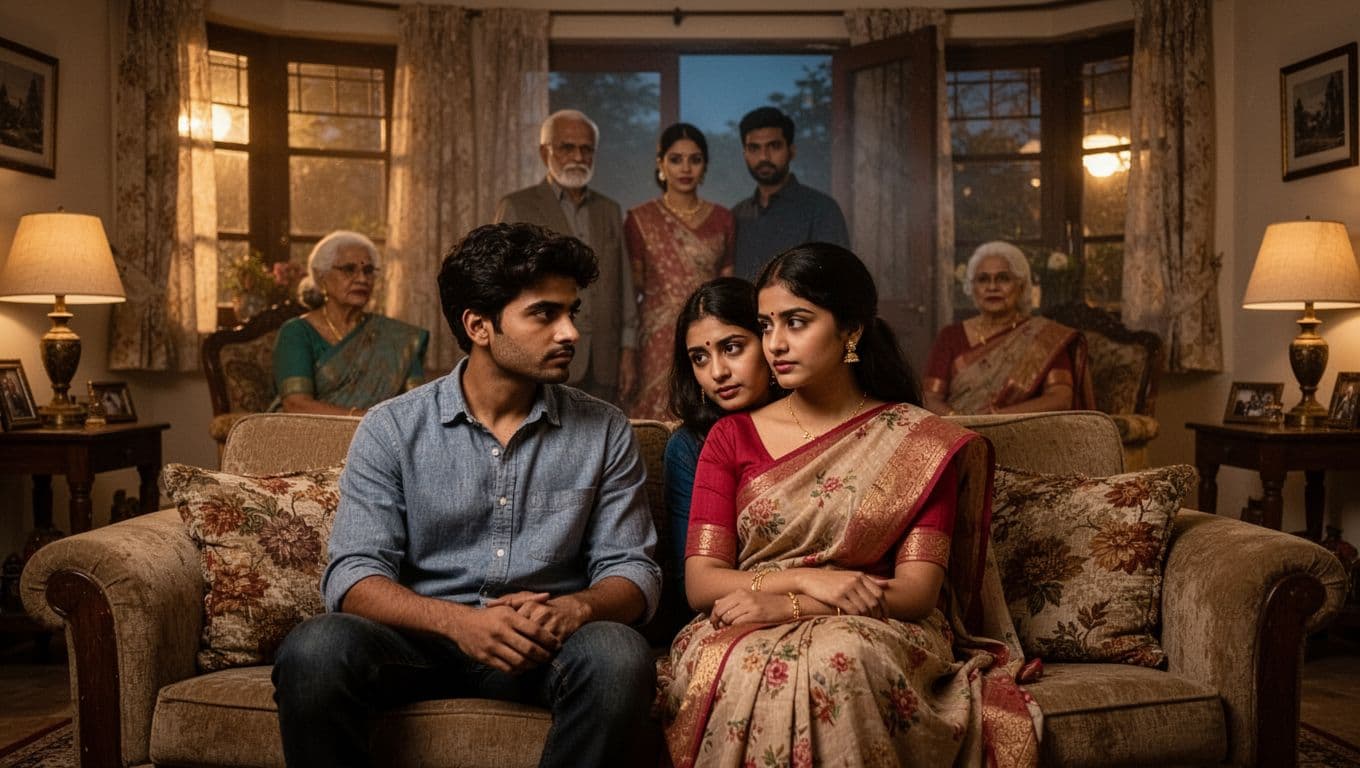
The family mystery adds curiosity to a familiar romance
The smartest thing the film does is hold back some of its emotional cards.
Early scenes may remind you of many modest romance dramas, with small talk, mild attraction, and a clean, family-friendly mood. Still, once the house, the elders, and Kalyan’s daily life take center stage, the film gets more curious. That mystery doesn’t turn the movie into a thriller. Instead, it adds emotional pull. You start watching less for the romance and more for the hidden pain under Kalyan’s calm life.
Because of that, the setup has more promise than the average love story. It hints that family is not always about blood, and that idea gives the film real heart.
What works in the movie, heartfelt moments, performances, and the second half
The film works best when it stops trying to entertain in a routine way and simply trusts its emotional core. That shift happens more clearly in the second half, and it’s the main reason some viewers came away satisfied.
Once the backstory starts to unfold, the movie gains weight. Kalyan’s choices begin to make sense, and the people around him no longer feel like stock family-drama figures. Instead, they become part of a larger emotional picture. This is where the screenplay finally finds focus.
As of March 2026, the wider response still looks mixed, but audience interest hasn’t vanished. Real-time reporting shows critics were divided, while regular viewers were kinder, with a stronger user response on ticket-tracking platforms. That gap suggests the film connects more with viewers who enjoy slow, emotional family stories than with critics looking for tighter craft. A summary of that response appears in this reception roundup.
The film lands best when it treats family pain seriously and keeps the romance in the background.
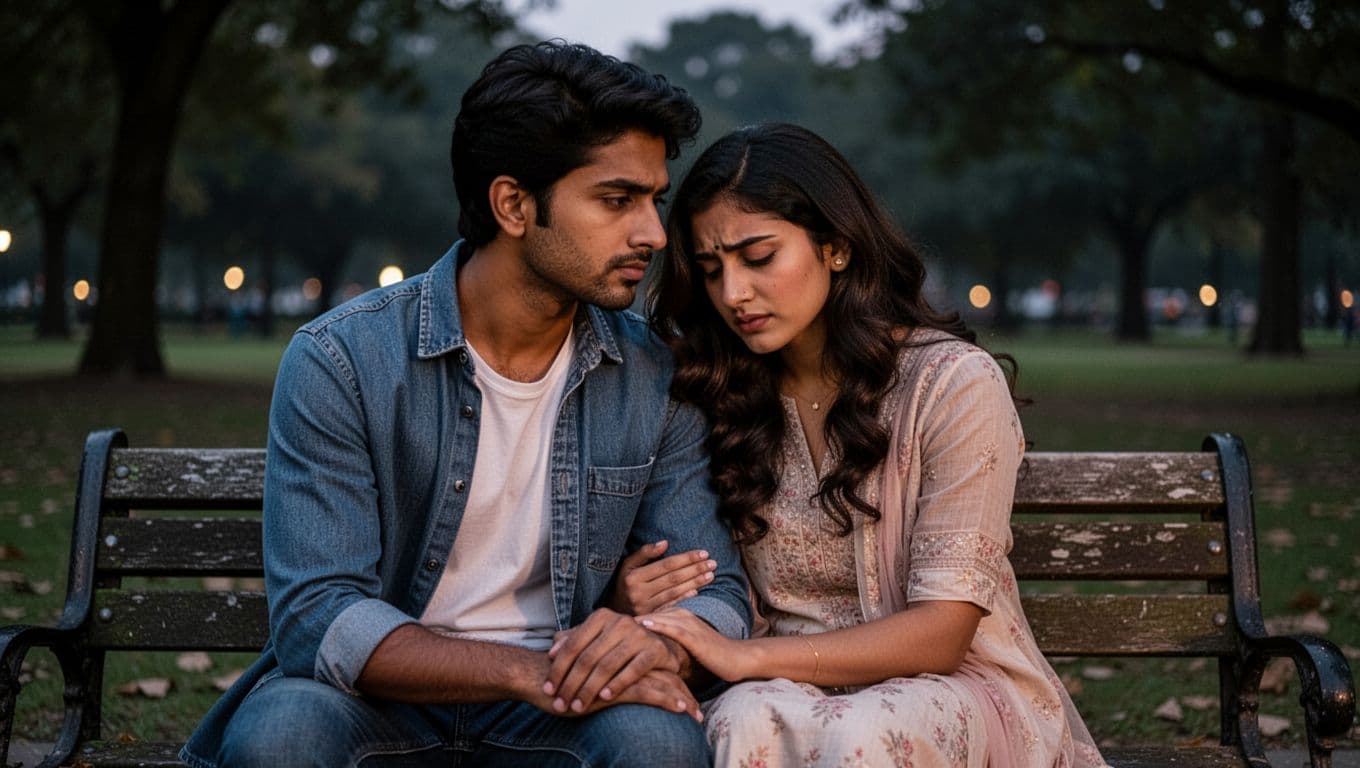
Raam Kiran and Megha Akash keep the drama watchable
Raam Kiran gives the steadier performance of the two leads. He doesn’t overplay Kalyan, and that restraint helps in the emotional scenes. His calm screen presence suits a character built around quiet sacrifice.
Megha Akash brings softness to Siri, especially in moments of confusion and hurt. The role could have used more depth, yet she keeps the character likable. Even when the writing slips into familiar beats, her performance helps the film stay grounded.
The supporting cast also adds value. Rajendra Prasad brings easy warmth, and Brahmanandam adds name value and some charm, even if the comedy itself isn’t always strong. They don’t transform the film, but they make the family space feel fuller. Reviews from regional sites such as NTV Telugu’s take on the movie also pointed to the cast as one of the better parts.
The emotional flashback gives the film its real weight
This is where Sahakutumbaanaam becomes the movie it should have been from the start.
The flashback portions bring context, sadness, and a stronger reason to care. Rather than leaning on plain sentiment, these scenes show how loss and loyalty shape Kalyan’s life. The title starts to make more sense here, too. The film is less about romance alone and more about what it means to become part of a family, or build one from broken pieces.
That theme gives the second half more force. Pain, guilt, and care all come together, and the film finally feels honest. It still isn’t subtle, but it becomes much more effective. If the first half is the setup, the flashback is the payoff viewers are waiting for.
Where Sahakutumbaanaam falls short, slow pacing, dated treatment, and uneven comedy
The biggest problem is simple, the film takes too long to reach its strongest material.
The first half often feels stretched. Scenes linger after their point is clear, and the writing keeps circling the same emotional tone without moving forward. Because of that, the movie can feel less like a theatrical drama and more like a television serial. That complaint showed up in many early reactions, and it’s hard to argue with it.
The romance also feels forced at times. Siri and Kalyan are easy enough to watch, but the film doesn’t build enough natural spark between them. Their connection is supposed to pull the story forward, yet it often feels like a device to get us to the family reveal. When a love story becomes a bridge instead of a beating heart, some scenes lose life.
Comedy is another weak spot. Brahmanandam’s presence raises hopes, but the writing doesn’t give him enough sharp material. Some jokes feel inserted out of habit, not because the story needs them. That hurts the tone, especially in a film that is clearly stronger in emotional mode than comic mode.
The direction also leans on dated choices. A few scenes push feelings too hard. Some songs and side moments slow the pace instead of helping it. Even viewers who liked the movie’s values often admitted the screenplay needed trimming. A broader synopsis and review page from NetTV4U reflects that same pattern, praise for the family angle, frustration with the execution.
Still, the flaws don’t erase the film’s good intentions. They just keep it from becoming something deeper and more memorable.
Final verdict on Sahakutumbaanaam
Sahakutumbaanaam is a sincere family drama with a good emotional idea at its center. The second half is better than the first, the cast does solid work, and the reveal around Kalyan’s family gives the story needed depth. At the same time, slow pacing, flat comedy, and a dated treatment hold it back.
For viewers who like clean, emotion-first Telugu dramas, this is a decent one-time watch. For everyone else, it may feel like a film that had heart but not enough shape. In short, Sahakutumbaanaam is warm, watchable, and occasionally moving, but it doesn’t stay strong from start to finish.
Trending Reviews:
Madham Movie Review: A Hard-Hitting Telugu Drama (2026)
Psych Siddhartha Review: A Messy, Moody Telugu Drama That Still Leaves a Mark



