
Movie Reviews
Vanaveera Movie Review

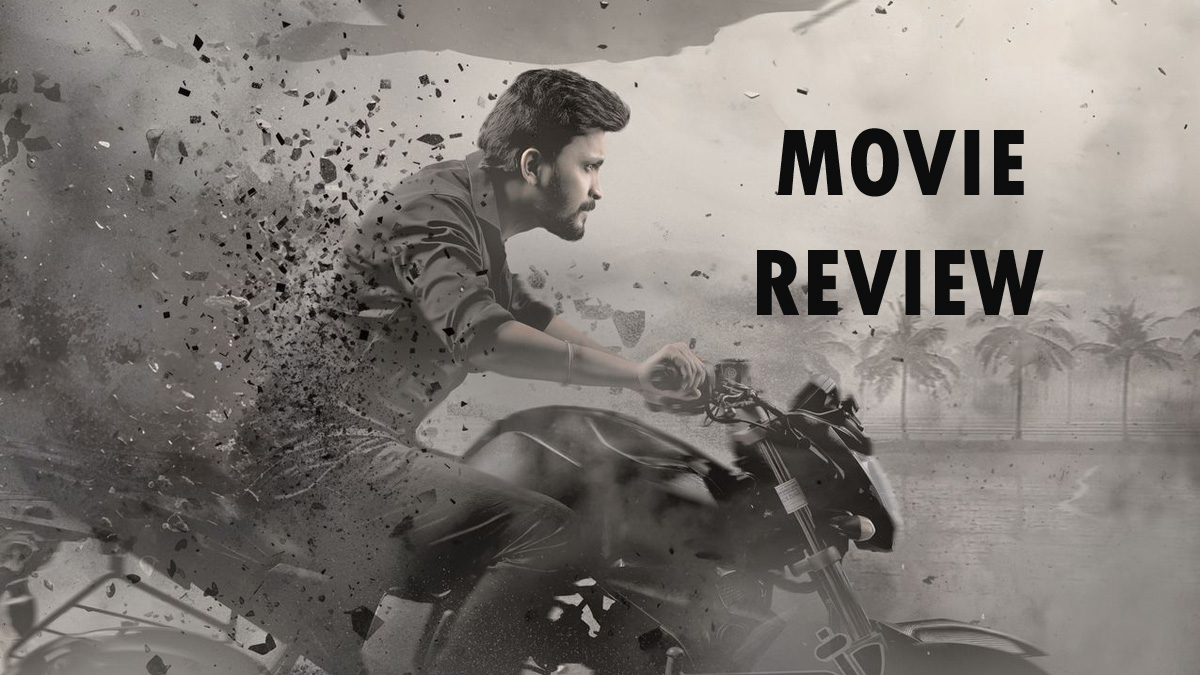
Vanaveera comes in as an early 2026 Telugu release that tries to blend mass action, local pride, and myth-inspired storytelling into one rural drama. It wants to feel big and rooted at the same time, with fights, family tension, political anger, and a hero built around self-respect. That mix gives the film some energy, but it also sets a high bar.
This spoiler-free review covers what works, what doesn’t, who the film is for, and whether it’s worth your time. Directed by Avinash Thiruveedhula, who also plays the lead, the film features Simran Choudhary and Nandu in major roles, with Vivek Sagar handling the music. If you’re curious about its action, emotional pull, and how well its themes come together, this review gets straight to the point before you decide to watch it.
What Vanaveera is about, and why its simple conflict matters
At its core, Vanaveera runs on a very plain idea: a man is wronged in public, and he refuses to swallow it. That simplicity helps the film. It doesn’t need a complicated mystery or a dozen twists to get moving. Instead, it leans on anger, class tension, and the basic human need to hold on to dignity.
That makes the setup easy to grasp. You instantly understand why Raghu reacts the way he does, even if his problem sounds small on paper. In a mass-action film, that kind of clean trigger matters because it gives every punch, stare, and challenge a clear emotional base.
A small trigger turns into a larger battle for honor – Watch Vanaveera
The smartest thing about Vanaveera’s story is how it turns an everyday item into a symbol. A bike is not just a bike here. It’s personal space, earned property, and a line that should not be crossed. When powerful men take it during a rally and act like they owe no answer, the insult lands before the conflict even grows.
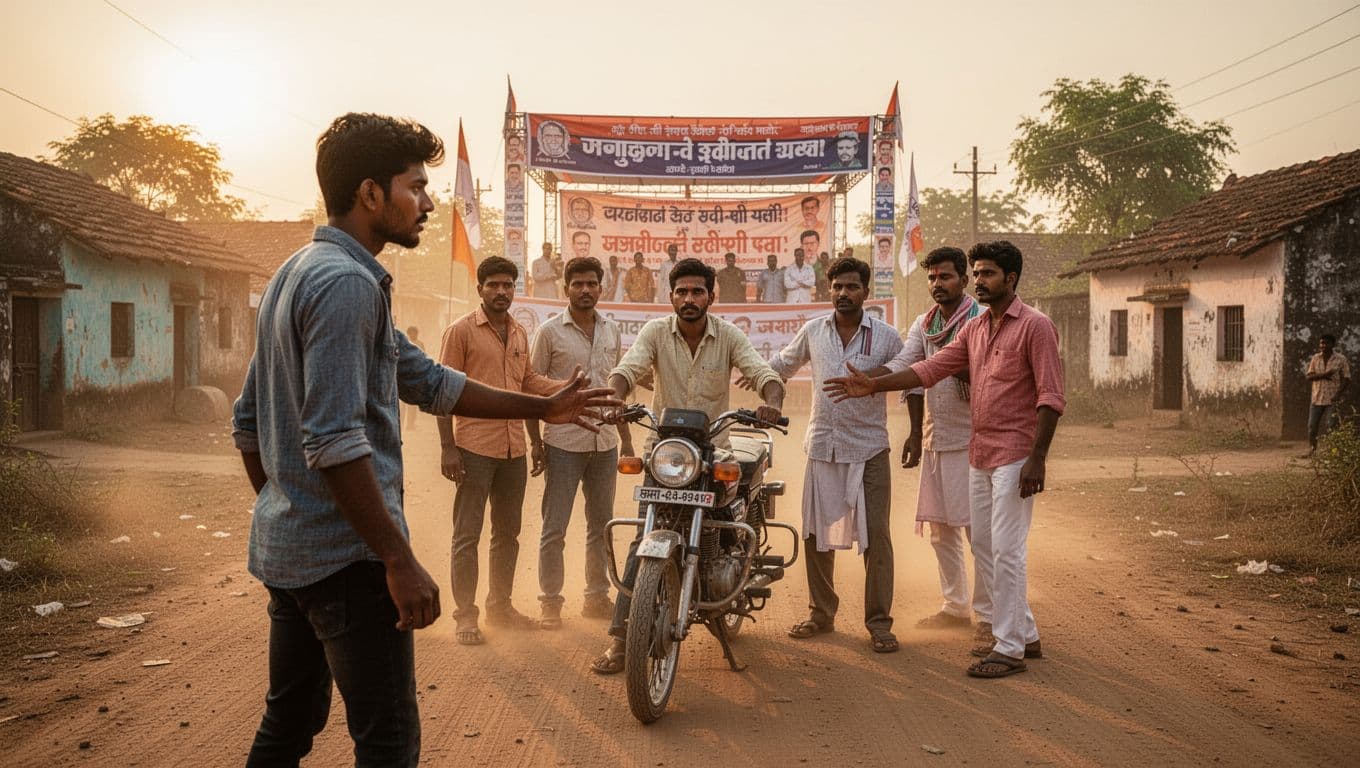
That is why the film’s central fight feels relatable. Most people have dealt with some version of this, maybe not on this scale, but in spirit. Someone with power oversteps. Others watch. The real wound comes from public disrespect, not just the loss itself.
A setup like this works well in Telugu action drama because it grows in a natural way:
- First, the problem looks minor.
- Then, the refusal to fix it makes the insult worse.
- Soon, pride, status, and anger pull in the whole village.
- Finally, a private issue becomes a public showdown.
You can see that basic story frame in the film’s IMDb plot summary, and it’s easy to see why the makers chose it. A stolen vehicle is simple. A stolen sense of worth is not.
In Vanaveera, the fight starts over property, but it sticks because it’s really about self-respect.
That shift gives the movie its mass pulse. Raghu is not chasing revenge just because the script needs a villain. He reacts because backing down would mean accepting his place in a system built to humiliate him. As a result, the conflict taps into something larger than action choreography. It becomes a test of whether an ordinary man can push back when everyone expects silence.
The myth-inspired angle gives the film its own identity
What helps Vanaveera stand apart is its myth-inspired coating. The film frames Raghu as a descendant of the Vanara clan, while its villain carries a Ravana-like feel. Still, this is not a full fantasy world with lore dumps, magical rules, or epic creatures filling the screen. The references work more like a flavor layer.
That choice matters because it keeps the story grounded. You’re still watching a rural action drama about politics, status, and local power. Yet the Vanara angle gives the hero a stronger symbolic shape. He is not just another hot-blooded young man in a revenge plot. He feels tied to a larger image of loyalty, strength, and resistance.
The same goes for the villain. Calling him Ravana-like sets a tone fast. You don’t need pages of backstory. You get the point. He stands for arrogance, abuse of power, and the belief that force alone wins. According to 123telugu’s streaming update, the film was even pitched around this myth-linked identity, which tells you how central that angle is to its appeal.
In other words, the movie uses mythology as a frame, not a burden. That’s what separates it from a standard revenge drama. Many films give a hero a reason to fight. Vanaveera gives its hero a reason, plus a legend-like image. That doesn’t make the writing deeper by itself, but it does make the film easier to remember.
Avinash Thiruveedhula carries the movie with effort and conviction
A film like Vanaveera depends heavily on its lead. The story is simple, the emotions are broad, and the conflict works only if Raghu feels like a real person instead of a written idea. That is where Avinash Thiruveedhula helps the movie most.
Even when the film turns uneven, he keeps pushing it forward. His performance may not smooth over every rough patch, but it gives the drama a center. That matters because this is the kind of movie where the hero has to sell pride, hurt, rage, and stubbornness with very little distance from the audience.
His screen presence gives the hero a grounded, local feel
Avinash does not play Raghu like an untouchable mass hero. Instead, he gives him a small-town weight that fits the film’s rural setting. He looks like he belongs in these streets, around these people, and inside this social tension. Because of that, the character lands as lived-in rather than posed.
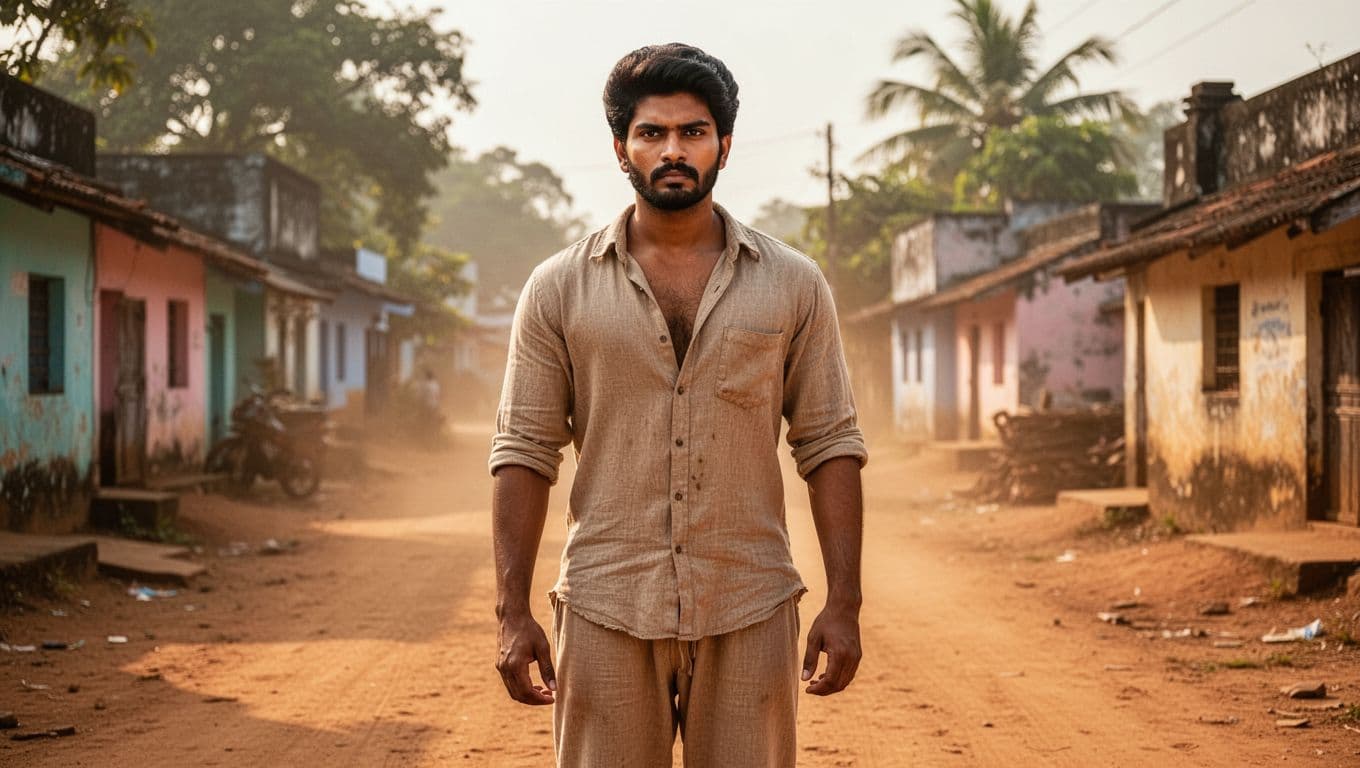
His body language does a lot of the work. He carries anger in a direct way, but he does not overplay every beat. There is a looseness in how he stands and moves, which helps Raghu feel like an ordinary man pushed too far. That choice suits the film, since the conflict begins with humiliation, not hero worship.
The emotional side also comes through with enough honesty. When Raghu reacts, you can see insult turning into resistance. That arc is not especially layered on the page, yet Avinash gives it feeling through effort and sincerity. As some early review coverage from 123telugu suggests, the lead turn is one of the more watchable parts of an otherwise mixed film.
Avinash works best when Raghu feels less like a star vehicle and more like a wounded local man refusing to bend.
That said, the performance is not flawless. A few moments ask for more control, especially when the film reaches for bigger dramatic highs. Still, he remains believable as Raghu, and that is a big win for a movie built on local pride and public insult. In short, his presence gives Vanaveera a human base.
Directing and acting at once is ambitious, and it shows on screen
Taking on both jobs gives the film a clear personal stamp. You can sense that Vanaveera comes from one person’s conviction, and that helps the movie feel sincere even when it stumbles. Avinash clearly believes in Raghu, the village backdrop, and the myth-linked framing around the character. That belief gives several scenes force.
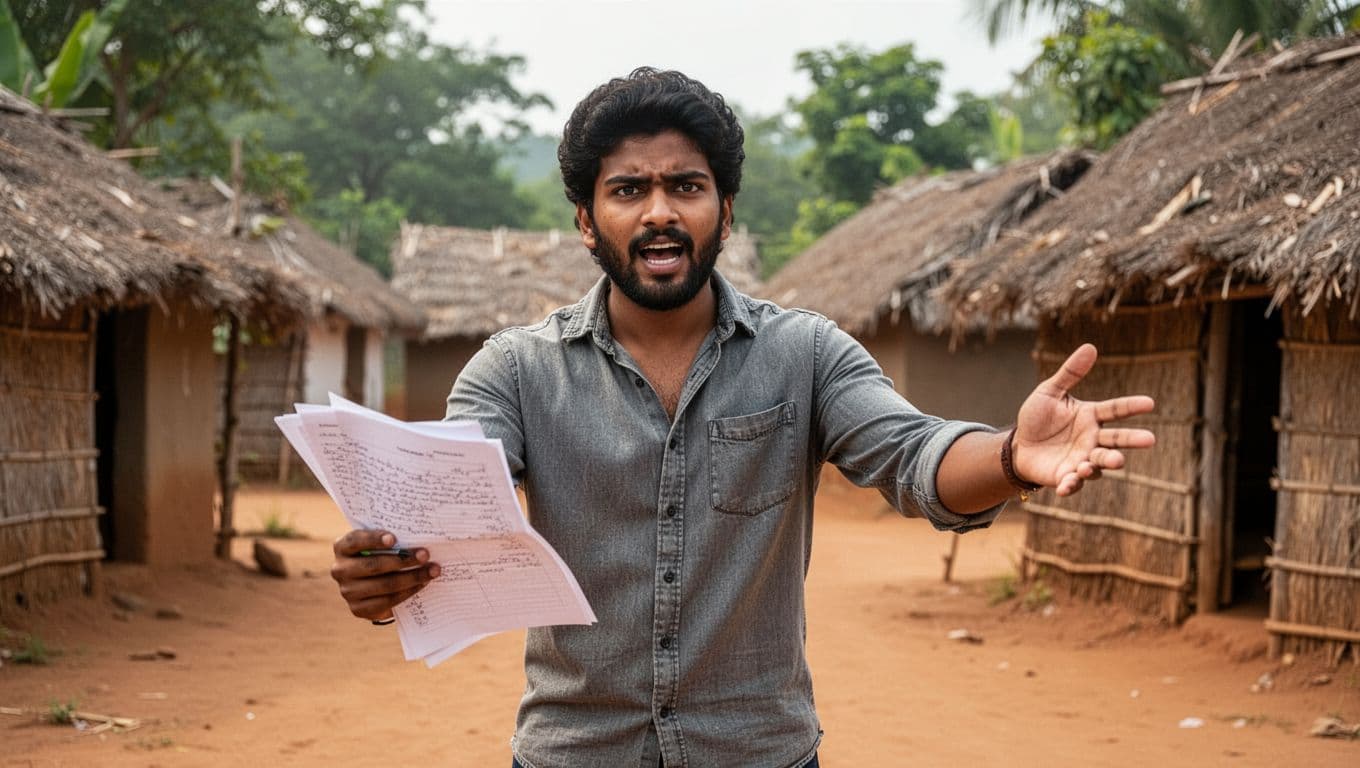
The upside is easy to spot. There is commitment in the staging of Raghu’s emotional journey, and the film rarely feels cynical. It wants you to take this hero seriously. That kind of hands-on ownership can help a modest film stand taller, and some reactions tracked in recent coverage point to the hero’s performance as a clear plus, even when the film itself drew mixed notices. A Telugu review roundup, including Chitrajyothy’s take on the film, reflects that split fairly well.
Still, the downside also shows. When one person carries both the camera-side vision and the lead role, pacing and polish can suffer. A few scenes run long, and some emotional or action beats could have used a stricter outside eye. You can feel the passion, but you can also feel where sharper editing and better rhythm might have lifted the whole film.
So, the dual role becomes both a strength and a strain. It gives Vanaveera its earnest pulse, yet it also exposes the film’s limits. Even then, there is something admirable here. Avinash may not fully master both sides at once, but he commits hard enough that the attempt itself becomes part of the movie’s identity.
The supporting cast adds weight, especially when the tension rises
A rural action drama like Vanaveera can’t run on the hero alone. It needs a villain who can push back hard, and it also needs side characters who make the village feel lived-in. On that front, the film does enough to hold your attention, even if not every supporting role gets the same care.
When the pressure builds, these performances help the movie feel less like a one-man show. Some characters leave a stronger mark than others, but the better ones add texture, rhythm, and a bit more emotional pull.
Nandu brings the right amount of menace as Deva
Nandu understands what Deva needs to be. He doesn’t play the part as a loud cartoon. Instead, he carries himself with the calm arrogance of a man who thinks power is his birthright. That attitude matters because Vanaveera depends on public insult and social dominance more than plot twists.
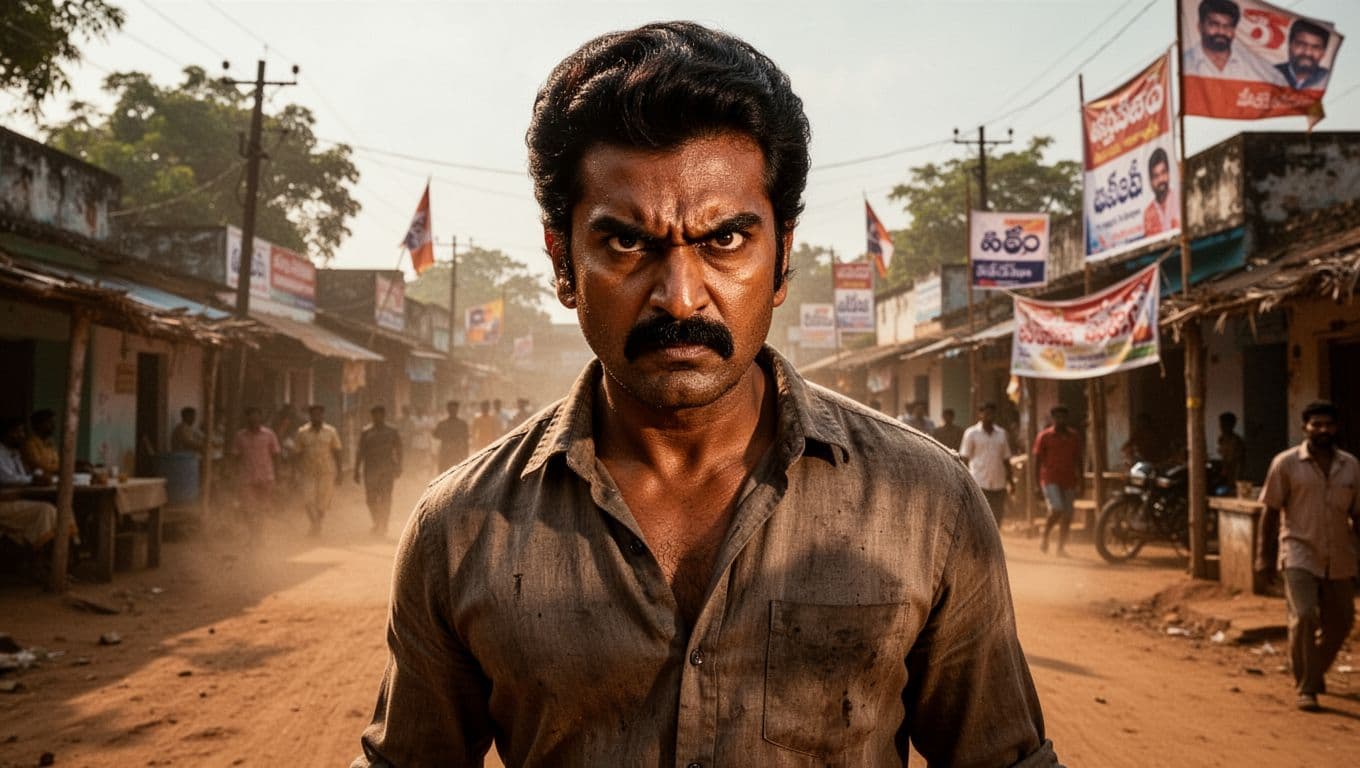
His presence gives the conflict a harder edge. Even in scenes where the writing stays broad, Nandu sells the threat through posture, expression, and that smug political air. He feels like someone used to getting away with things, which makes Raghu’s refusal to bend more satisfying.
That said, Deva is not written with great depth. He’s more effective as a symbol of local power than as a fully layered person. Still, that works often enough, because the film mainly needs a face for arrogance and intimidation, and Nandu gives it one.
A few reviews picked him out as one of the film’s stronger elements, and that tracks. Both 123telugu’s review and Review Rowdies’ take point to him as a plus in an otherwise mixed film. In short, he adds the kind of menace this story needs, even if the script doesn’t always give him a sharper arc.
Deva works because Nandu makes power feel personal, not abstract.
Simran Choudhary and the side characters help the world feel fuller
Simran Choudhary does what the role asks, and she does it with ease. Indhu may not get a deeply developed track, but she brings softness to a film packed with bruised pride and rising anger. Because of that, her scenes give the story a little breathing room.
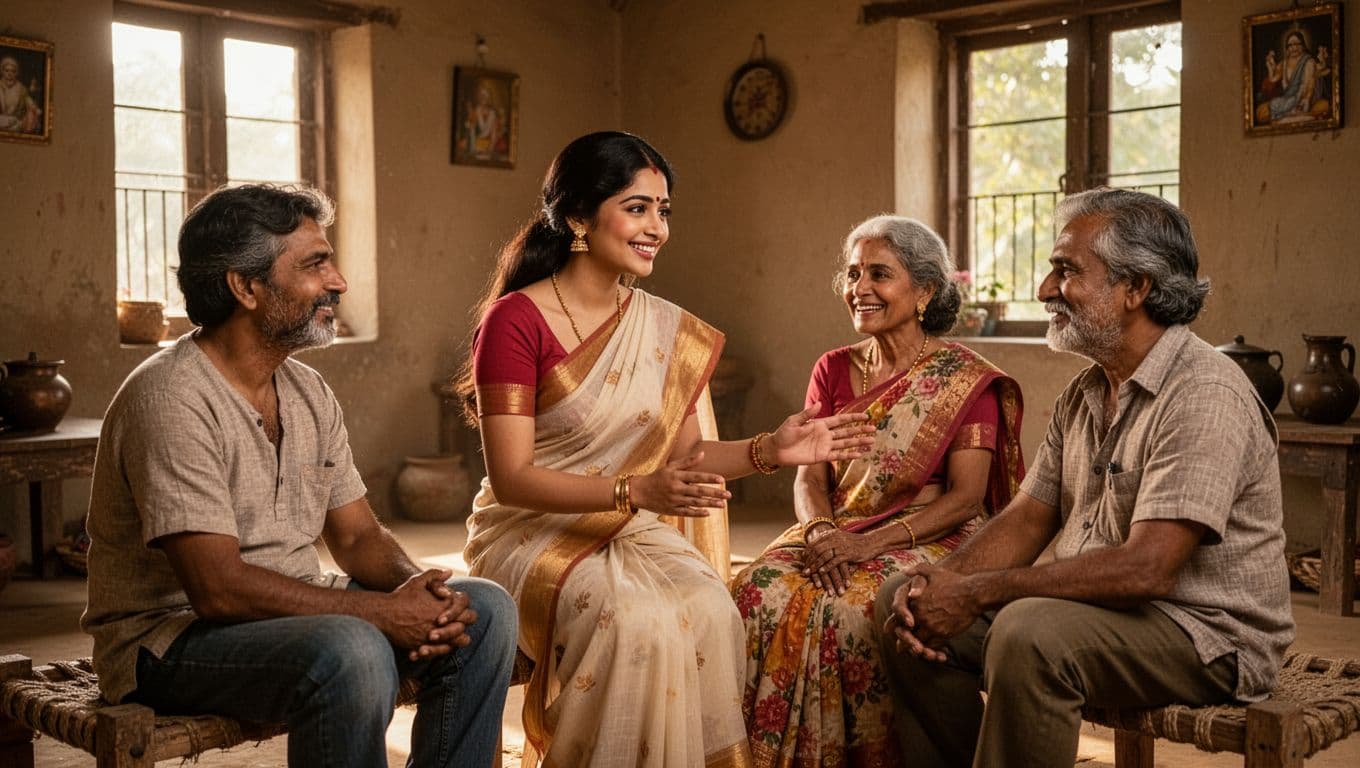
The film could have given her more agency, though. She feels more like part of the emotional setting than a driver of events. Still, Simran fits the world well, and that counts for a lot in a movie that needs its relationships to feel local and familiar.
The supporting players also help fill in that world. Aamani adds some warmth in the family portions, while Satya and a few others bring light relief without pulling the film too far off course. Kona Venkat’s presence, meanwhile, adds a bit of character texture, though not enough to shift the movie in a major way.
If there’s a limitation here, it’s simple. These roles support the mood more than the drama. They make the village feel populated, but only a few get moments that stay with you. Even so, that extra texture helps. As Chitrajyothy’s review and other reactions suggest, the cast around the lead gives the film some life, even when the screenplay keeps them on a short leash.
Action, music, and mass moments keep Vanaveera moving
For all its rough edges, Vanaveera knows where its basic appeal lies. It wants to fire up the crowd, hit emotional highs, and give the hero enough cinematic lift to stay watchable. That approach does not fix every flaw, but it does keep the film from going flat. When the drama gets shaky, the action and music often step in and carry the load.
The action scenes deliver the film’s strongest crowd-pleasing beats
The fights are where Vanaveera looks most alive. They have a hard, grounded punch to them, and that helps the film more than glossy style would have. You feel the dust, the anger, and the physical strain. As a result, the action connects less like a stunt reel and more like a public clash fueled by bruised pride.
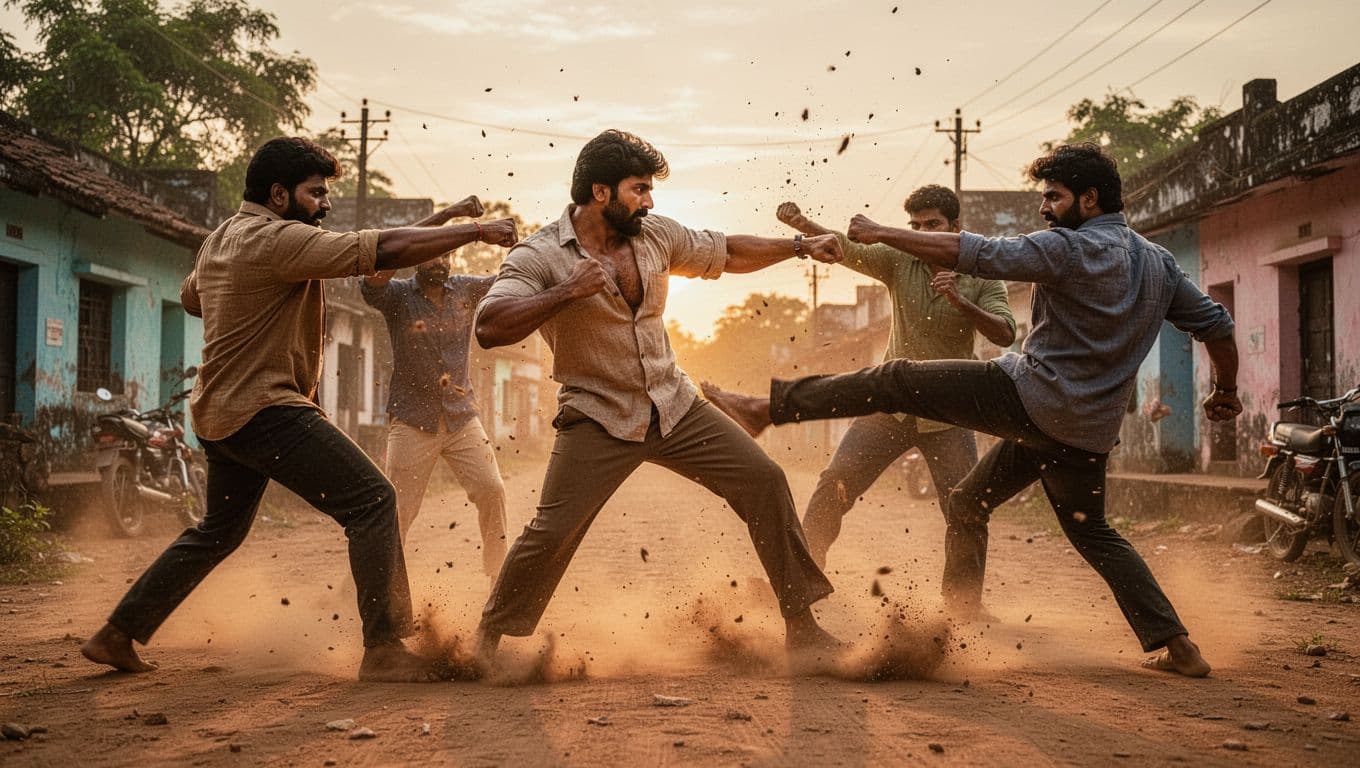
That rawness is the key. The film does not chase sleek choreography as much as impact. Blows seem to hurt, bodies crash with weight, and the staging usually favors force over flash. Recent coverage around the film also points to the action as a major hook, with reports noting the hard-hitting fight design and its focus on pain rather than empty posing, as seen in this review coverage from 123telugu.
Still, the action is not perfect. A few stretches feel familiar, and the film leans on the same angry surge more than once. Yet even when the pattern repeats, the scenes often work because they serve the movie’s emotional engine. In short, these are not just fights for motion’s sake. They are the moments where Vanaveera most clearly knows what kind of film it wants to be.
The action works best when it feels like wounded self-respect turning into force.
Vivek Sagar’s music helps lift the film’s mood and scale
Vivek Sagar’s music gives the film something it badly needs, lift. Without that support, some scenes might feel too plain or too stretched. Instead, the score helps turn simple hero beats into bigger moments. It adds urgency in tense scenes, warmth in softer ones, and a little extra size when the film wants to feel mythic.

What stands out most is how the music shapes the viewer experience. It tells you when to lean in, when to feel the hero’s rise, and when to sit with the emotion a little longer. That matters in a film that aims for mass energy but also wants sincerity. Even if the writing does not always earn every high point, the music often helps those moments land anyway.
The songs and background score also improve pacing. They break up the heavier stretches and stop the film from feeling one-note. According to available film coverage, Vivek Sagar’s work was a clear part of the movie’s package, even if detailed breakdowns of each track are limited. You can also see that broader response reflected in sources like CineJosh’s review of Vana Veera, which discusses the film’s overall commercial feel and presentation.
So while the soundtrack may not be the film’s main talking point, it is one of its steadiest supports. It gives Vanaveera more mood, more rhythm, and just enough scale to keep its mass moments from shrinking on screen.
Where Vanaveera works best, and where it falls short
This is where Vanaveera becomes easy to understand. Its best scenes are driven by feeling, not plotting. At the same time, its weaker parts come from how those feelings are packaged on screen.
That split explains why some viewers connect with it more than critics do. The core idea is strong, but the film doesn’t always shape that idea with the same care.
The emotional theme of dignity gives the story its backbone
What keeps Vanaveera from feeling like a petty fight is the way it treats insult. The bike is only the spark. The real issue is what that act says, who gets to take, who gets ignored, and who is expected to stay quiet.
That is why the film has a pulse even when the plotting stays simple. Raghu is not chasing an object like it has magical value. He is defending his place in public. Once you read the conflict that way, the story stops being small. It becomes a fight over self-worth.
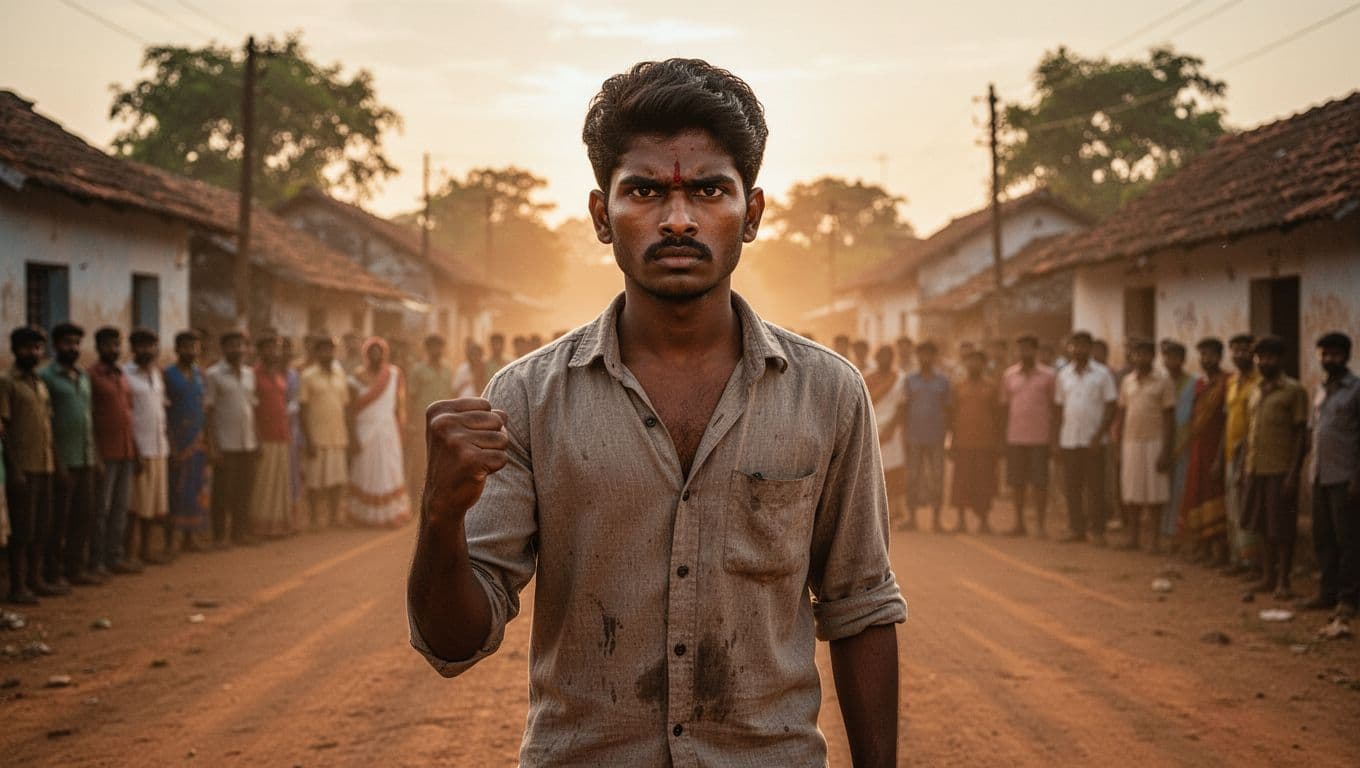
This emotional angle is the film’s strongest card because most people understand it right away. You may not relate to village politics or myth-linked hero framing, but you do understand humiliation. You know that feeling when a line gets crossed in front of others, and suddenly silence feels worse than the loss itself.
A lot of action dramas want you to care because the stakes are loud. Vanaveera works better when the stakes feel personal. In those moments, the story has weight. It says respect is not a luxury. It’s the ground a person stands on. Once that ground cracks, every later clash makes sense.
The film lands best when it treats anger as wounded dignity, not just macho pride.
That’s also why the audience interest holds. You want to see whether Raghu gets the bike back, yes, but more than that, you want to see whether he gets his dignity back in a world built to deny it.
The mixed reviews make sense when you look at the execution
The early response to Vanaveera was mixed, and that feels fair. The general tone across Telugu coverage landed in the 2.5 to 2.75 out of 5 range, with outlets such as 123telugu’s review and other early write-ups leaning toward a modest reception rather than strong praise.
That kind of rating usually means one thing. The film is not a failure of intent, but it is a film with clear limits. Critics seemed to see the same thing many viewers will see. There is sincerity here, there are a few solid mass moments, and the central emotion is easy to latch onto. Yet the screenplay, pacing, and tonal control do not always support those strengths.
You can feel that unevenness in how the film moves. Some scenes hit because the emotion is clean and direct. Others drag because the writing underlines the point too heavily or stretches familiar beats past their peak. As a result, the movie can feel heartfelt in one stretch and rough in the next.
That is why the mixed reception doesn’t sound harsh, it sounds accurate. A film can have a good core and still struggle in execution. Reviews from Review Rowdies and other Telugu outlets point to a similar middle-ground response, where effort and intent are visible, but the final shape stays uneven.
In short, Vanaveera works best when you watch it for its emotional spine, raw action, and local flavor. It falls short when it asks its broad writing and loose rhythm to carry more than they can. That’s the trade-off, and it’s also why reactions have been so divided.
Final verdict, who should watch Vanaveera, and rating
At this point, Vanaveera feels easy to place. It has heart, a clear local setting, and a lead performance that keeps trying to lift the material. At the same time, its rough writing and uneven rhythm stop it from becoming a strong recommendation for everyone.
So the best verdict is a measured one. If you like rooted Telugu action dramas and can accept a few clumsy stretches, there’s enough here to hold your interest. If you want tight writing and sharp emotional payoff, this one may feel more admirable than fully satisfying.
Best for viewers who enjoy rooted action dramas with mythic flavor
Vanaveera works best for a certain type of viewer. If you enjoy films where dust, pride, village politics, and bruised ego matter as much as plot twists, this is closer to your lane. It plays like a rough clay pot, not a polished trophy. The shape is familiar, but the handprint is still visible.
You may connect with it if you usually like:
- Rural action dramas where honor and public respect drive the conflict
- Hero-led Telugu films with simple stakes and strong local flavor
- Myth-tinted storytelling that adds symbolism without turning into full fantasy
- Mass moments and fights that carry more weight than the screenplay around them
On the other hand, this may not be for you if you need crisp pacing, fresh plotting, or deep character work. The film has a sincere core, but it doesn’t hide its flaws very well. As a result, the right audience is someone who can enjoy feeling and atmosphere even when the execution gets shaky.
If that sounds like your taste, you’ll likely find enough to appreciate, especially the action beats, the social tension, and the mythic framing around Raghu. For basic film details and audience reactions, the IMDb title page for Vanaveera offers a quick snapshot.
A fair closing score should reflect both ambition and uneven payoff
The fairest score for Vanaveera sits in the mixed-to-positive range. That feels right because the film does have clear strengths. The central theme of dignity works, the lead brings commitment, and a few action-heavy stretches land with enough force. Still, the screenplay doesn’t always support the film’s bigger aims.
That is why a rating around 2.5 out of 5 feels reasonable if you want your review to match the broader response. Early coverage has mostly landed there, with 123telugu’s review and rating giving it a middle-ground verdict, while Review Rowdies’ review was a bit lower. Those takes line up with what the film puts on screen, some honest effort, some solid moments, and a final result that never fully clicks.
Vanaveera is easier to respect than to strongly praise.
So if your article has leaned sympathetic but honest, a 2.5/5 closing score is the cleanest fit. It leaves room for the movie’s ambition, while still acknowledging that its payoff stays uneven.
Conclusion
Vanaveera is a sincere action drama that works more on feeling than polish. Its biggest strength is the self-respect theme, because the conflict never feels like it’s only about a bike. Instead, it becomes a fight over dignity, status, and the right to push back when power turns casual cruelty into public shame.
That core idea gives the film weight, and Avinash Thiruveedhula’s all-in effort helps hold it together. He doesn’t turn the movie into something sharper than it is, but he does give it conviction. Meanwhile, the action, local setting, and Vivek Sagar’s music add enough force to keep parts of the film engaging, even when the writing slips into familiar patterns.
So, is Vanaveera worth watching? Yes, if you enjoy rooted Telugu action dramas with a strong emotional trigger and can accept uneven execution. No, if you want tight writing, fresh plotting, and steady pacing from start to finish.
Most importantly, this is a mixed film, not a dismissible one. It falls short in craft, yet its central dignity theme and clear intent make it easier to respect than ignore.



