
Movie Reviews
120 Bahadur Movie: Valiant Indian Soldiers Fight Against Chinese Troops in 1962

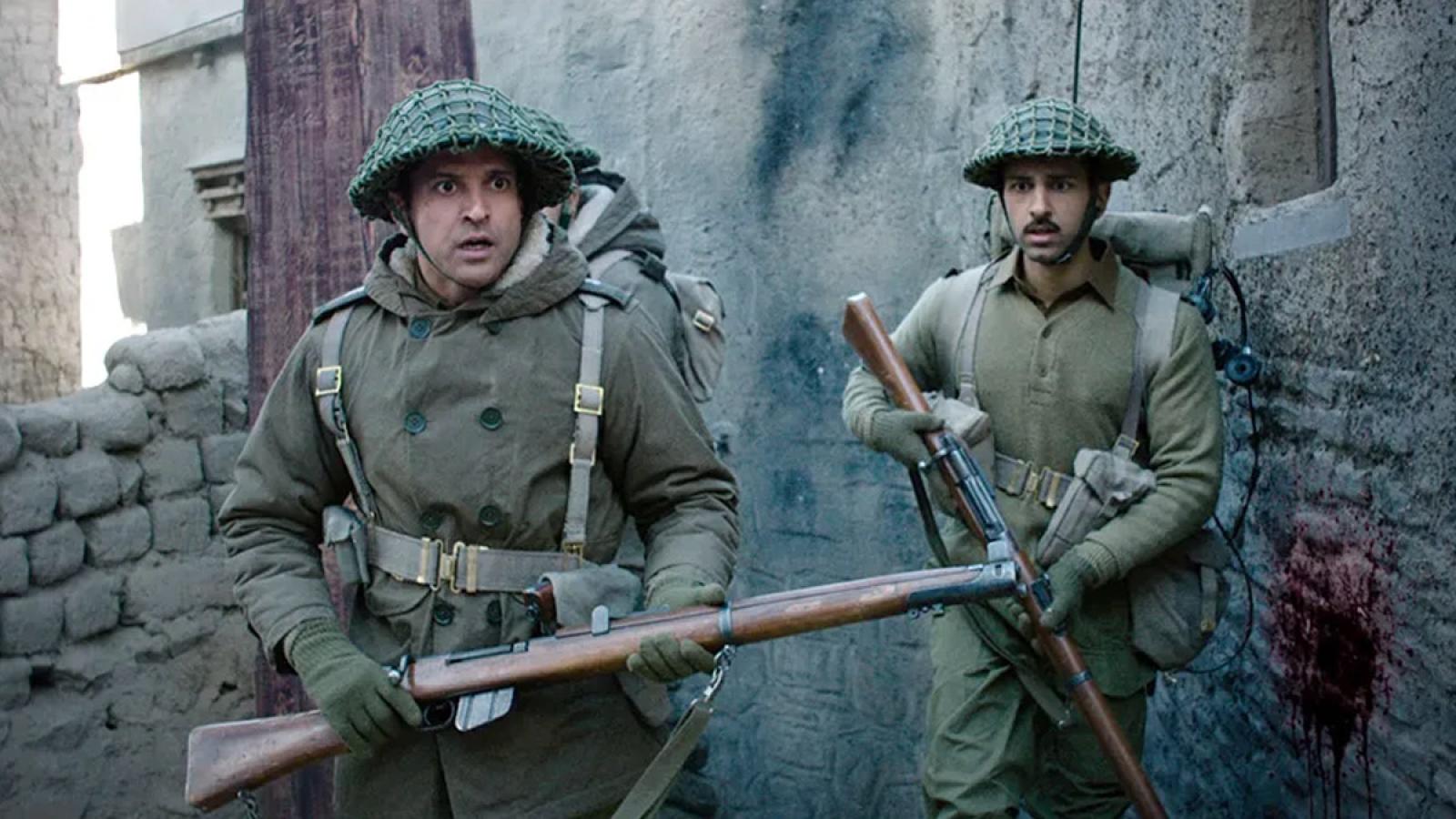
120 Bahadur refers to about 120 soldiers of Charlie Company, 13 Kumaon, many of them Ahirs, who held this high pass against a much larger Chinese force. They weren’t guarding empty ground; they were blocking the route toward Ladakh’s Chushul bowl and the Chushul airfield, a lifeline for troops and supplies.
This story tracks what happened hour by hour at Rezang La, why their stand slowed the advance even in defeat, and how Major Shaitan Singh led from post to post under fire. It also shows what their courage still teaches today about duty, leadership, and holding the line when help isn’t coming.
120 Bahadur, Rezang La, Battle of Rezang La 1962, 13 Kumaon, Charlie Company, Major Shaitan Singh, Param Vir Chakra, 1962 India-China war, Chushul airfield, Ladakh battle, Ahir soldiers, Indian Army, Rezang La, Chinese troops 1962
Why Rezang La mattered in the 1962 India-Chinaa War
Rezang La mattered because it was not just a lonely ridge line. It was a lock on a door. If that lock failed, the fight would spill fast into the Chushul bowl, where India depended on the airfield and a few hard-held positions to stay in the game on that front.
When you picture Rezang La, don’t think of a neat “pass” with a road and signs. Think of broken rock, shallow cover, and long sightlines where movement gets spotted. In that kind of terrain, a small unit can slow a larger force, but only if it holds key ground.
A quick, clear map in words, where Rezang La sits in Ladakh
Rezang La sits in southeastern Ladakh, on the high ridges above the Chushul Valley, close to where the terrain opens toward the Spanggur Gap. In plain terms, it’s part of the rough ring of heights that overlook approaches into the Chushul area. That location is why it kept showing up in 1962 accounts and after-action discussions.
Most references place it around 16,000 to 16,500 feet, and it’s often described as “about 18,000 feet” because the whole area sits in that brutal high-altitude band. Either way, the point is the same: you’re fighting in thin air.
Thin air changes everything:
- You tire faster, and clear thinking gets harder under stress.
- Wounds and cold hit harder because the body has less oxygen to work with.
- Moving troops and ammo takes longer because every step costs more.
You don’t need a map to follow the story. Just remember this: Rezang La is a high gate above Chushul, and whoever holds that gate can slow what comes next. For a quick location summary, see the Rezang La background.
What the Chinese advance threatened, and why holding the pass bought time
By November 1962, the border dispute had turned into fast, harsh fighting. Outposts fell, positions got isolated, and both sides pushed for ground that controlled routes, not just lines on paper. In the Chushul sector, the immediate danger was simple: if Chinese forces broke through the ridge defenses, they could pressure Chushul itself, including the Chushul airfield.
That airfield mattered because it helped India keep the area supplied and reinforced. In terrain like this, roads are fragile, weather closes routes, and a working airstrip can feel like a lifeline. So when you read about “holding Rezang La,” it isn’t romantic language. It’s a practical military fact. A firm stand there could slow a thrust toward Chushul, force the attacker to fight for every fold of ground, and disrupt momentum.
In mountain warfare, time is a resource. Rezang La’s defense traded blood for hours, and hours for a chance to hold the next line.
Holding the pass bought time in a few direct ways:
- It blocked a cleaner approach into the Chushul bowl, so the attacker had to fight uphill, under fire.
- It delayed follow-on moves because even a “won” ridge fight leaves units reorganizing, treating casualties, and hauling ammo forward.
- It kept pressure off the airfield long enough for Indian defenses in the sector to adjust.
If you want a tight overview of the battle’s stakes and sequence, this Battle of Rezang La summary helps frame why that ridge fight echoed far beyond the rocks where it happened.
Meet Charlie Company, 13 Kumaon, and their leader Ma, Major Shaitan Singh.
When people say “120 Bahadur”, they’re talking about a single company that got pinned to a harsh piece of rock and refused to let go. This wasn’t a legend built later in a studio. It was a real company, real families, real breath turning to frost, and a leader who chose to stand with his men when the odds stopped looking human.
Charlie Company, 13 Kumaon, is remembered because its story feels personal. You can picture the faces. You can almost hear the boots on stone, the short orders, and the silence between bursts of fire.
Who the “120” were, the unit, the men, and the spirit of the company
Charlie Company of 13 Kumaon is often described as being made up largely of Ahir soldiers, many from the Ahirwal region in Haryana. That detail matters because it hints at something simple, shared roots. The men spoke in familiar tones, carried the same village pride, and trusted each other like brothers.
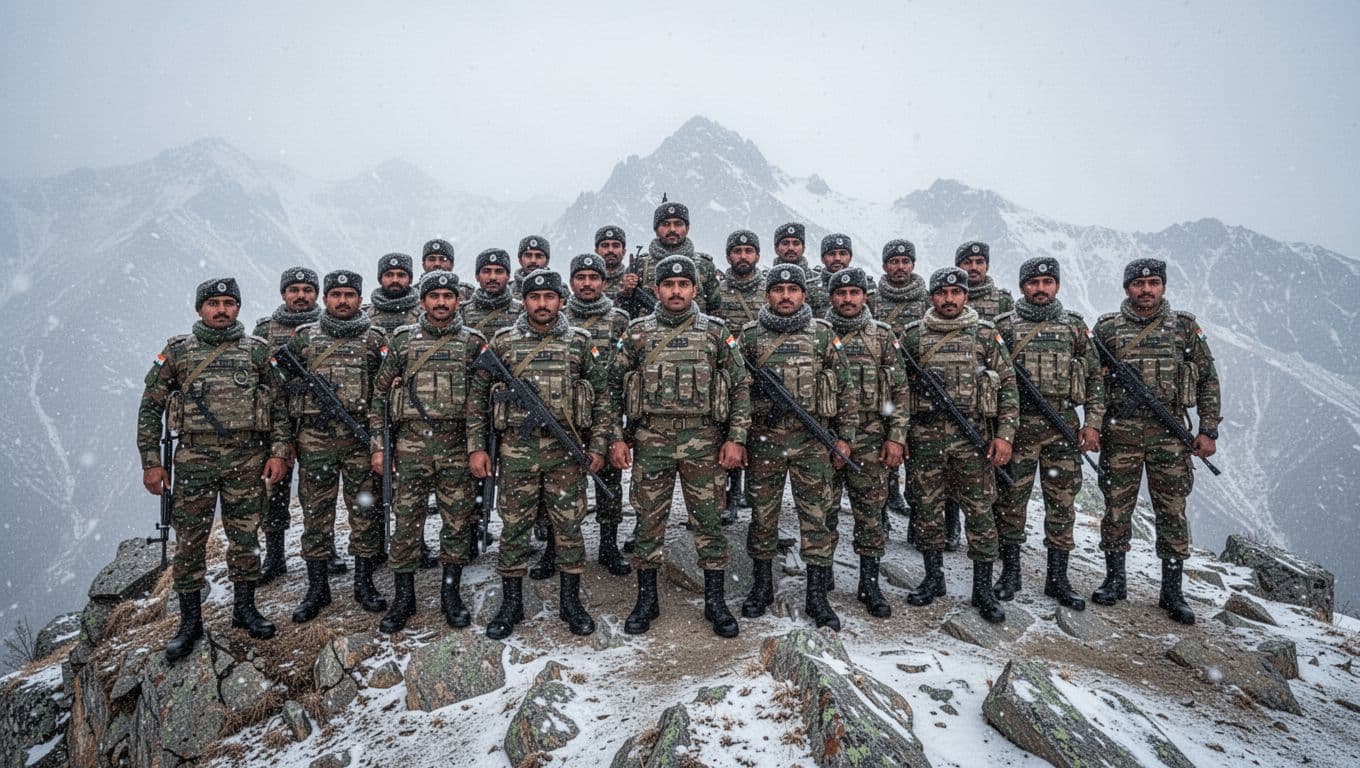
Their war cry, “Dada Kishan Ki Jai”, wasn’t just a shout to sound brave. It was a switch they flipped together. In combat, unit pride works like a rope in a blizzard. When fear pulls you apart, that rope keeps you tied to your post and to each other.
You see that spirit in the way veterans and families talk about them. The company wasn’t thinking about medals at Rezang La. They were thinking about one thing: don’t let the line break while you’re still breathing. For a quick modern snapshot of how Charlie Company is described in popular reporting, see this Charlie Company background explainer.
Unit pride isn’t loud talk. It’s doing your job when your hands shake, and nobody can see you doing it.
Major Shaitan Singh’s choices before the attack, holding ground with limited support
Major Shaitan Singh Bhati led Charlie Company with a steady kind of courage. Before the attack, the problems were already stacked high. The cold was brutal, the air was thin, and moving supplies up to those posts was slow and punishing.
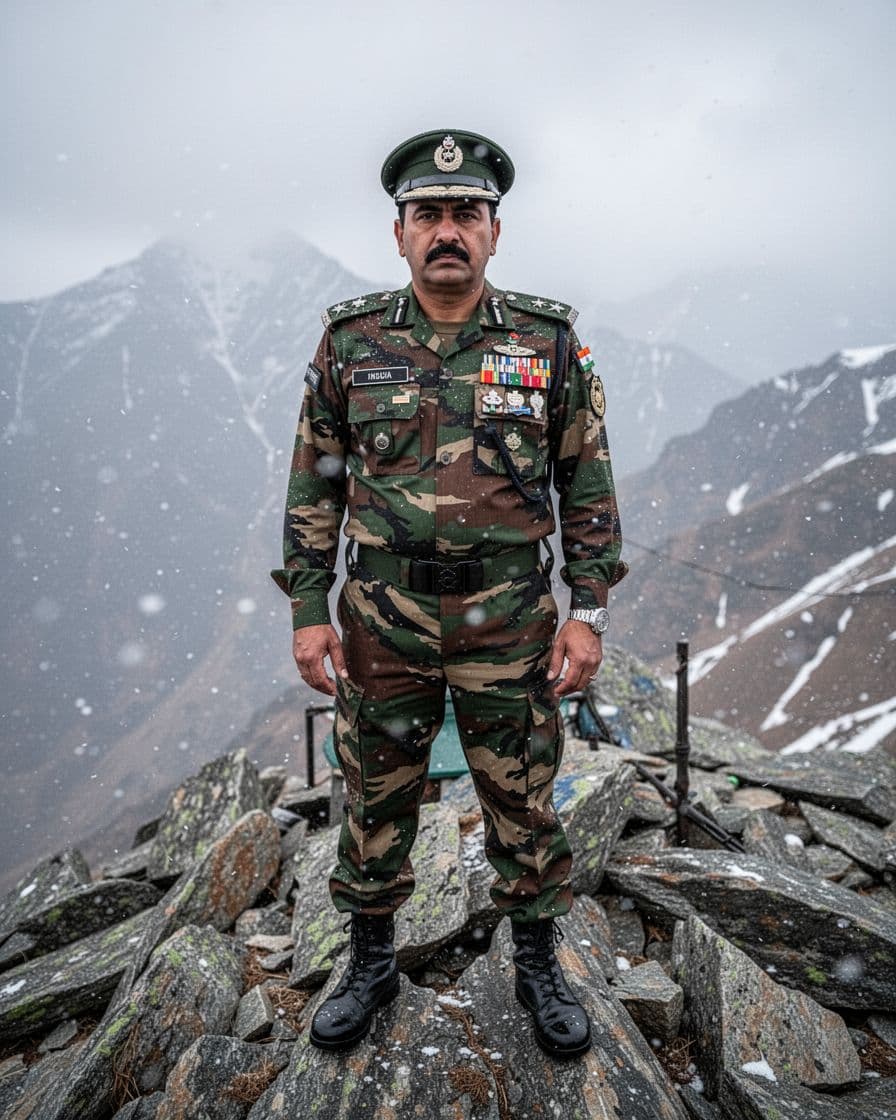
Support was limited too. Accounts often mention limited ammunition, older weapons, and little to no artillery support when the pressure came. So his choices had to be practical. He focused on what he could control:
- Preparation: keeping men ready, alert, and warmed as much as possible in exposed posts.
- Positioning: placing platoons to cover approaches and hold likely entry points.
- Calm leadership: moving post to post, checking on men, and setting the tone with his presence.
That calm matters in a fight like Rezang La. Panic spreads faster than bullets, especially at altitude. A leader who stays steady gives everyone else permission to stay steady too. If you want a leadership-focused read that summarizes these constraints and decisions, this piece on lessons from Rezang La leadership is a useful reference.
Small moments of bravery, from the first shots to staying at the posts
Bravery at Rezang La wasn’t only the big, cinematic moment. It was also the small, stubborn choices, like staying still when every instinct says run. It was checking a weapon with numb fingers. It was watching a silent ridgeline and trusting your training.
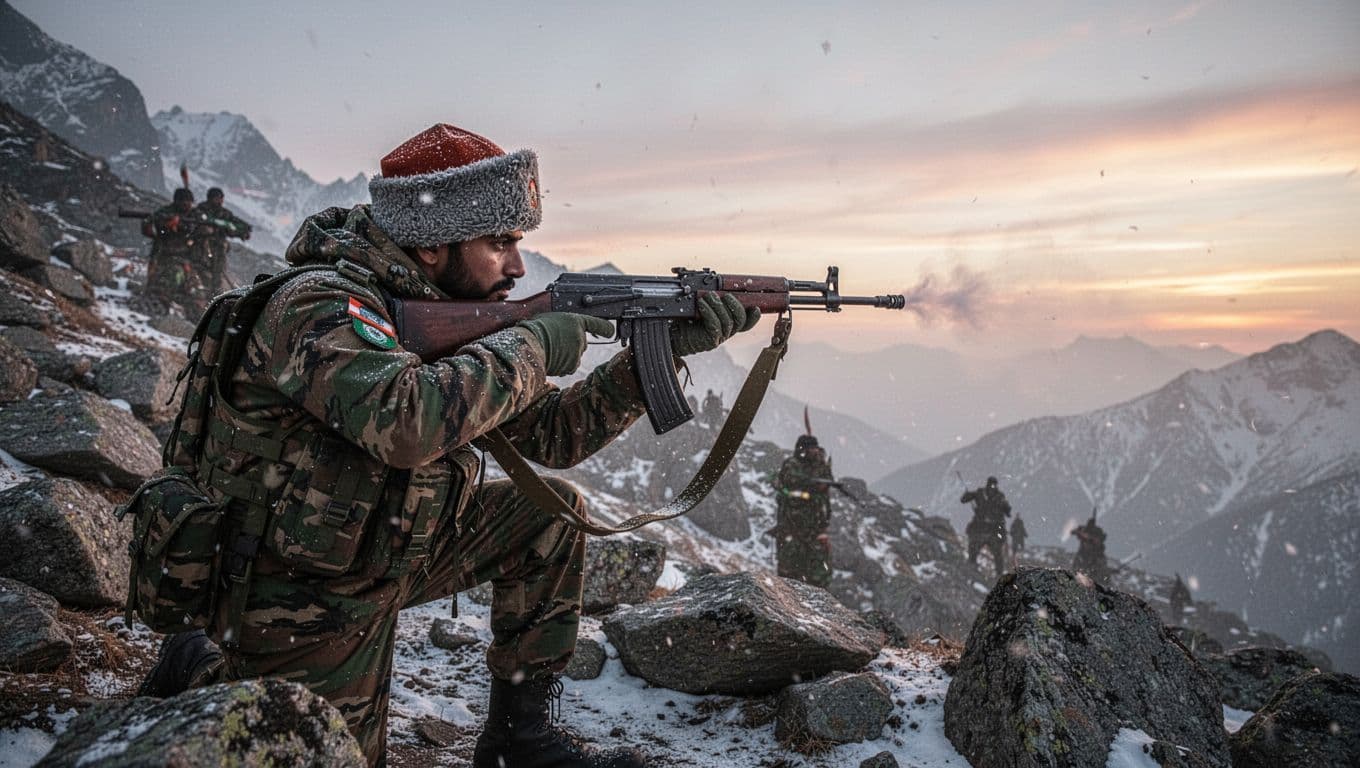
One name tied to the opening of the fight is Naik Hukum Chand, often associated with the first shots. That detail matters because it points to readiness and discipline. When the enemy comes close, hesitation can cost a post in seconds. Responding fast, under pressure, means the company was alert, not frozen by shock.
From there, the pattern was set. Men held their posts because they had been told to, and because they believed in the man next to them. Nobody needed a speech at that altitude. The job was clear. Hold your ground, keep firing, and don’t leave your buddy alone on the ridge. For one detailed remembrance that also mentions Hukum Chand, see IDSA’s Rezang La remembrance. On
November 18, 1962, 120 soldiers fought wave after wave at Rezang La
By the time the sun rose over the ridges, the shape of the day was already set. Charlie Company, 13 Kumaon, faced a full-scale assault at Rezang La, and they had to make every second count. At that altitude, you don’t get a warm-up. Your body works slower, your gear fights you, and fear travels fast.
What stands out in accounts of November 18, 196,2 is not one dramatic moment, but a chain of hard decisions under pressure. From the first contact before dawn to the last rounds and the last stand, the defense shows what disciplined soldiers can do, even when the math looks cruel. For an accessible timeline-based retelling, see The Indian Express explainer on Rezang La.
The attack begins before sunriseg cold, with artillery, rockets, and confusion.
Reported accounts place the first clear signs of contact around 4:00 AM. The temperature is often described at roughly -24°C to -25°C (about -11°F), the kind of cold that feels like it bites through wool and skin. In that air, even breathing stings, and every movement turns into work.
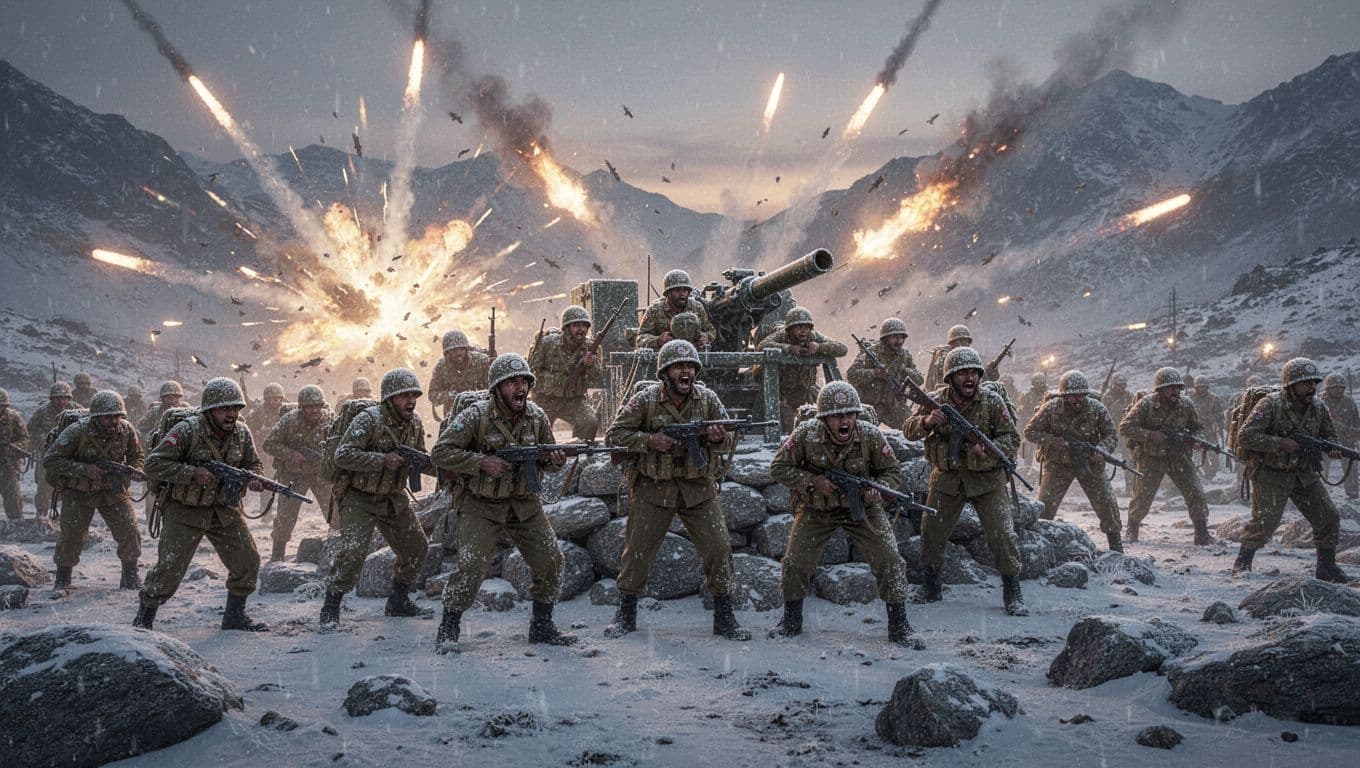
Cold does not just make you uncomfortable; it steals fine control. Fingers go stiff, so loading magazines and working a bolt takes longer. Metal parts numb the hands, and oil can thicken, which raises the risk of stoppages. Meanwhile, boots feel heavy, knees resist, and quick dashes between rocks become slower, louder, and more dangerous.
Then the bombardment begins. Shells, mortars, and rockets do more than tear stone; they scramble focus. In those first minutes, a post can fall for simple reasons: a sentry misses a shape in the dark, a runner gets hit, a machine gun cannot shift in time. That is why the opening moments matter so much in mountain defense. If a unit holds steady at the start, it can force the attacker to pay for every step.
The first minutes decide whether a position becomes a line of resistance, or a gap the enemy pours through.
Outnumbered but not outmatched, how disciplined firing stopped the first waves
The reported size of the attacking force varies across sources, with estimates ranging from about 1,300 to several thousand. Whatever the exact number, the defenders were facing a force that could attack in depth, keep feeding fresh men into the fight, and probe for weak points. For one widely read summary that mentions large Chinese numbers, see India Today’s account of 120 Bahadur.
What kept the first waves from rolling over the posts was not luck. It was prepared positions, clear fields of fire, and soldiers who understood one basic rule: don’t waste rounds when you cannot be resupplied. In broken mountain ground, numbers only help if the attackers can close the distance. Until then, they are silhouettes on a slope.
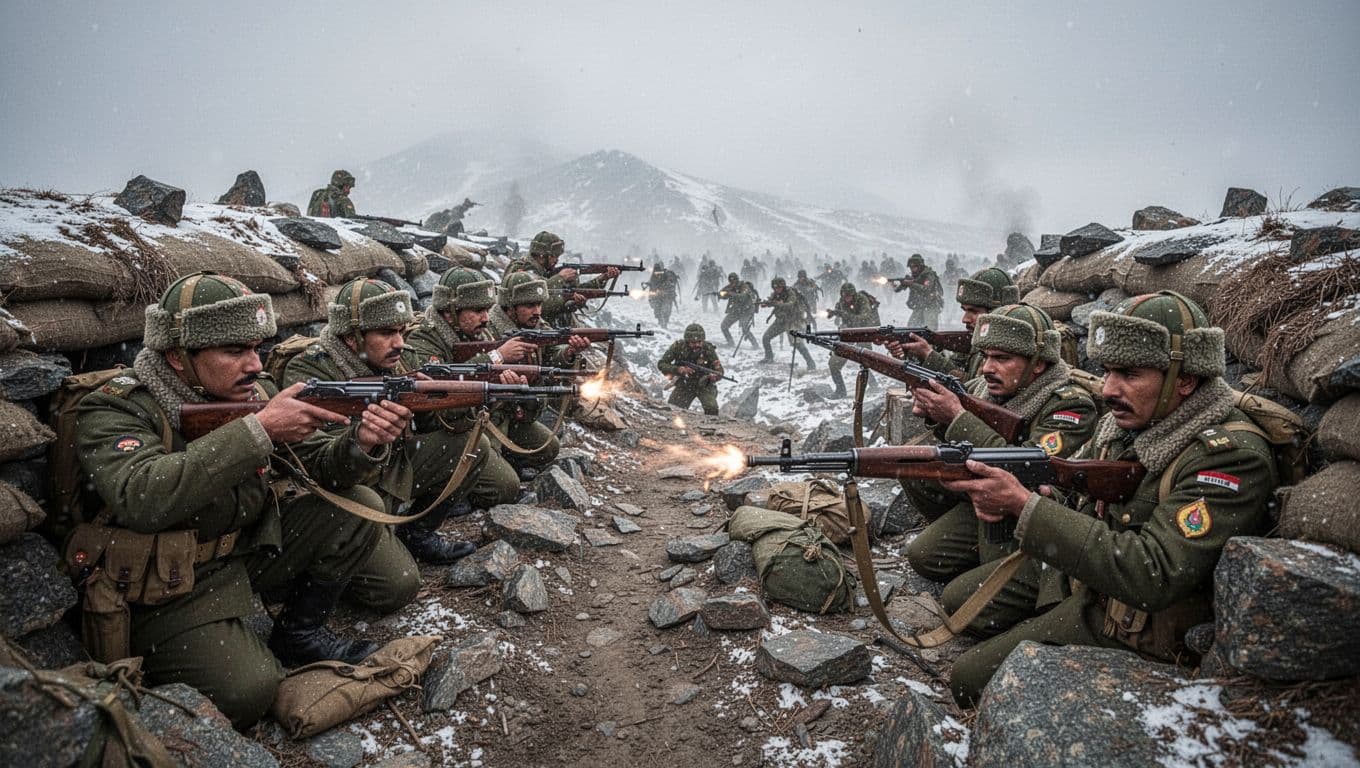
Disciplined firing buys time in a few simple ways:
- Controlled bursts keep light machine guns effective longer, instead of burning through ammunition early.
- Wait-for-range shooting increases hit chances, which matters more than volume when ammo is limited.
- Mutual support between posts punishes attackers trying to slip through folds in the ground.
For a while, that discipline can make a small defense feel bigger than it is. The attackers still come again, but now they have casualties, confusion, and the hard truth that the ridge is not free.
When ammo ran low, the fight turned into bayonets and hand-to-hand combat
A bayonet is a knife-like blade fixed to the end of a rifle. It turns the rifle into a short spear, meant for close fighting when you cannot shoot, or when the enemy is already on top of your position. That kind of combat is not a preference. It is what happens when distances collapse, and ammunition runs low.
Accounts of Rezang La widely report that as the hours passed, the defenders began to run out of rounds. The reasons are plain: repeated attacks, heavy firing, and little chance of replenishment under shelling. Once bullets and grenades thin out, the fight often becomes a brutal contest of a few yards, with men using what they still have in hand.
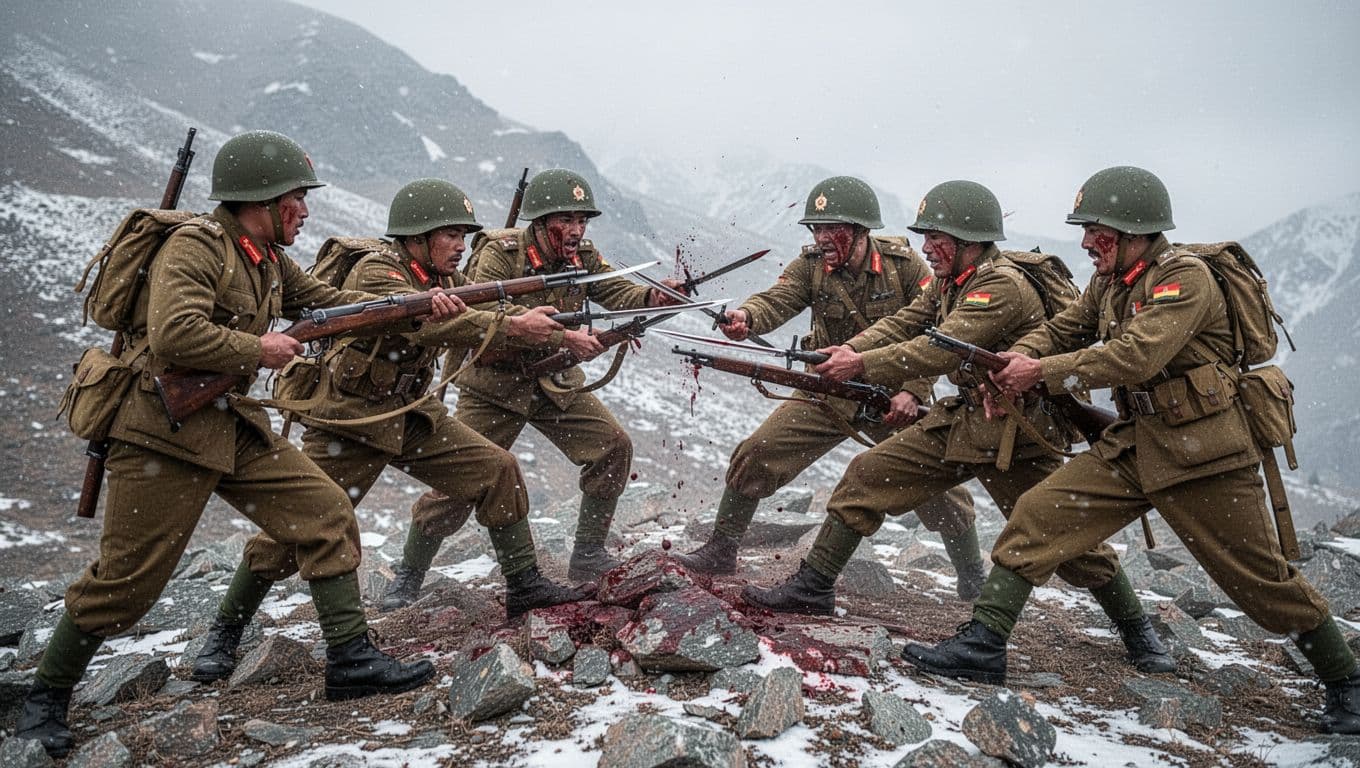
This is where the story stays powerful without needing exaggeration. Soldiers kept fighting because retreat was not an easy option, and because leaving a post can unravel the whole line. When a position is nearly surrounded, close combat is sometimes the last tool left. The widely repeated detail that they fought on after ammunition ran out is a simple marker of intent: they treated the post as something to hold, not something to bargain away.
Major Shaitan Singh’s final hours, wounded leadership, and a post that would not break
Major Shaitan Singh’s leadership mattered because it was visible. Instead of staying safe, he moved between posts, checked gun positions, encouraged men, and tried to keep the defense stitched together while fire and smoke cut the ridge into isolated pockets. Reports also say he was wounded during the battle, yet continued to command.
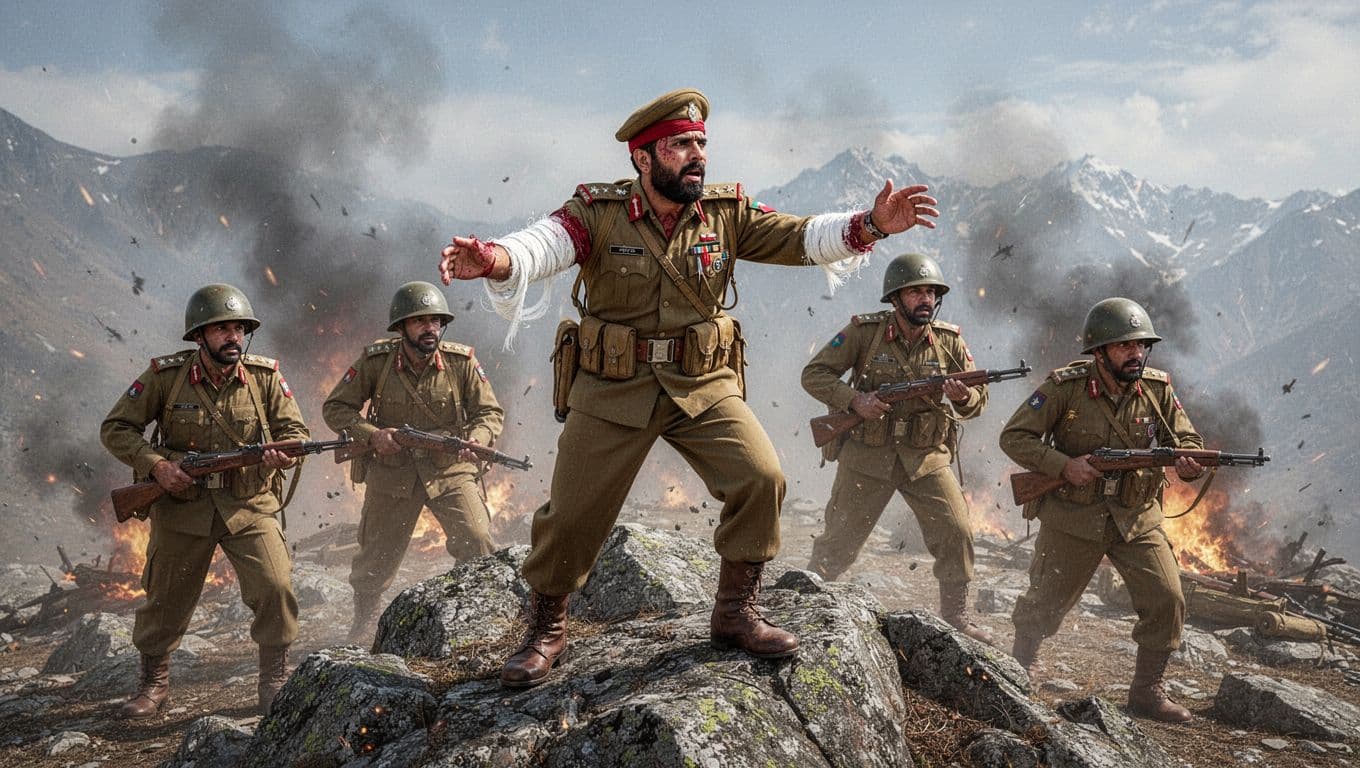
Wounded leaders face a blunt choice: get carried back and preserve life, or stay and keep the unit steady. Accounts of Rezang La describe him refusing evacuation after being hit, and continuing to direct the fight until he was later killed. That is not myth-making; it is what leadership looks like when radios fail, visibility drops, and men start to feel alone in their sangars.
One line captures the core of it: he stayed because duty meant staying with his men.
For a detailed narrative built from commonly cited accounts, including his movement under fire, see Bharat Rakshak’s Rezang La history page.
120 Bahadur, Rezang La, Battle of Rezang La 1962, November 18 1962 Rezang La, 13 Kumaon, Charlie Company, Major Shaitan Singh, Param Vir Chakra, 1962 India-China war, Chushul sector, Chushul airfield, Ahir soldiers, Kumaon Regiment Rezang La, Rezang La last stand, Rezang La battle timeline
What was found after the battle, losses, survivors, and the respect earned from the enemy
Rezang La did not end with a flag being planted or a clean withdrawal. It ended with silence, frozen rock, and the kind of aftermath that forces you to measure a battle in human cost, not maps. What people remember most is not only how Charlie Company fought, but what remained when the firing stopped.
In the months after, the story grew heavier and sharper because the facts were already stark, and the details were hard to forget. This is where numbers, recovery accounts, and even enemy reaction come together into one truth: the stand at Rezang La earned respect the hard way.
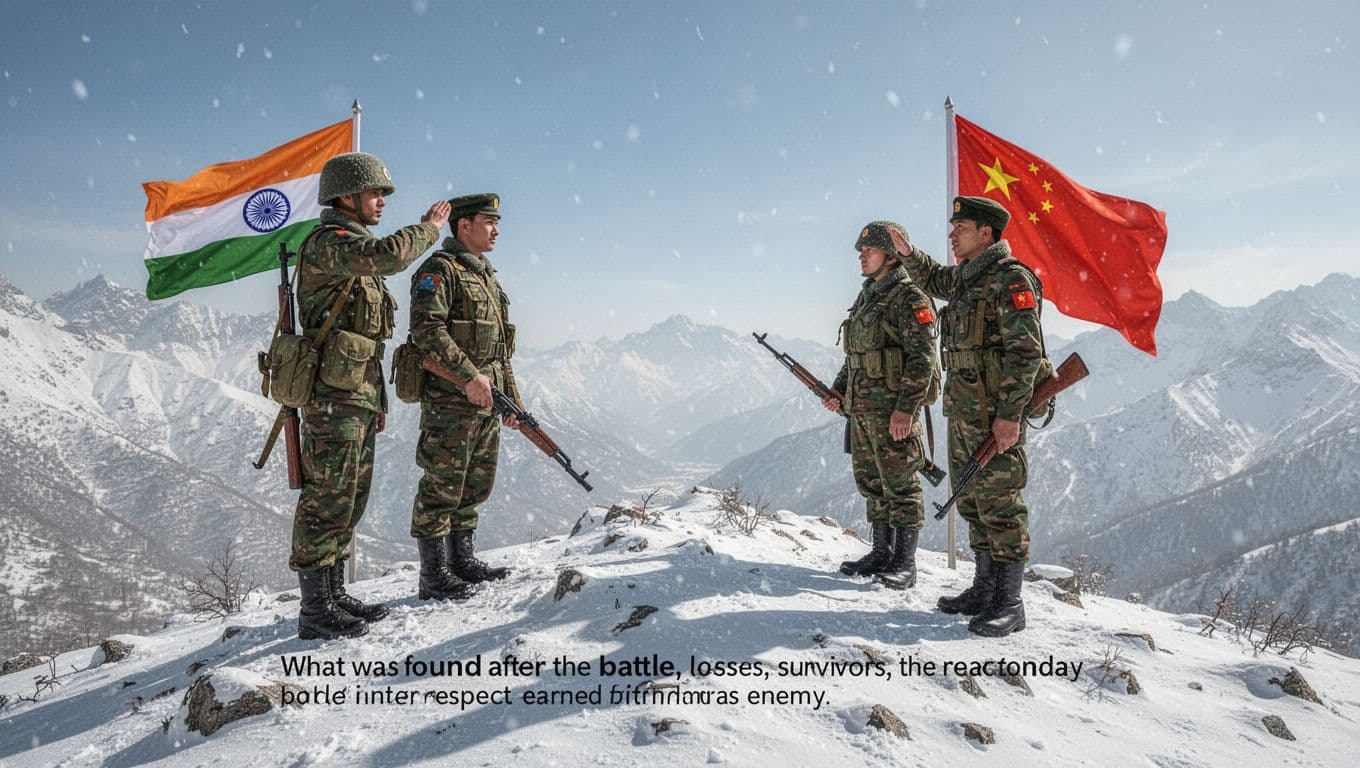
The numbers we know are 114 Indians killed, six survivors, and heavy Chinese losses
Most accounts settle on a simple, painful headline: 114 of the roughly 120 defenders were killed at Rezang La. That figure appears often in Indian remembrances, including the MP-IDSA Rezang La remembrance, and it matches the way veterans and historians describe the scale of loss.
On survivors, the most common version says six lived. Some tellings say five captured and one who got through to report, which is why you will see five or six, depending on how the count is framed. Either way, the meaning does not change: only a handful came back from a company that held a ridge against a much larger force.
Chinese losses are where the fog gets thicker. Many Indian narratives and later retellings cite Chinese casualties estimated at over 1,400, while other estimates run lower or simply say “very heavy” without a firm count. The reported size of the attacking force also varies, often described as several thousand. A recent mainstream recap, like the BBC report on the battle and its memory, reflects that pattern: the core outcome is clear, but exact numbers differ by source.
A quick way to hold these figures in your head is this:
- Indian side: widely cited as 120 defending, 114 killed, about six survivors (sometimes counted as five).
- Chinese side: often reported as 1,000+ casualties, with 1,400+ frequently repeated, but not universally agreed.
When sources disagree, the safest claim is the consistent one: Rezang La cost Charlie Company almost everything, and it cost the attackers far more than they expected.
The frozen battlefield, how the bodies were found, and the detail that shocked many
Because of the altitude and winter conditions, Rezang La kept its dead in place. Snow and ice preserved the battlefield like a harsh time capsule. Many accounts say a local shepherd spotted bodies months later, in early 1963, after the worst of winter eased and movement became possible again. Recovery and identification followed later as the area became accessible.
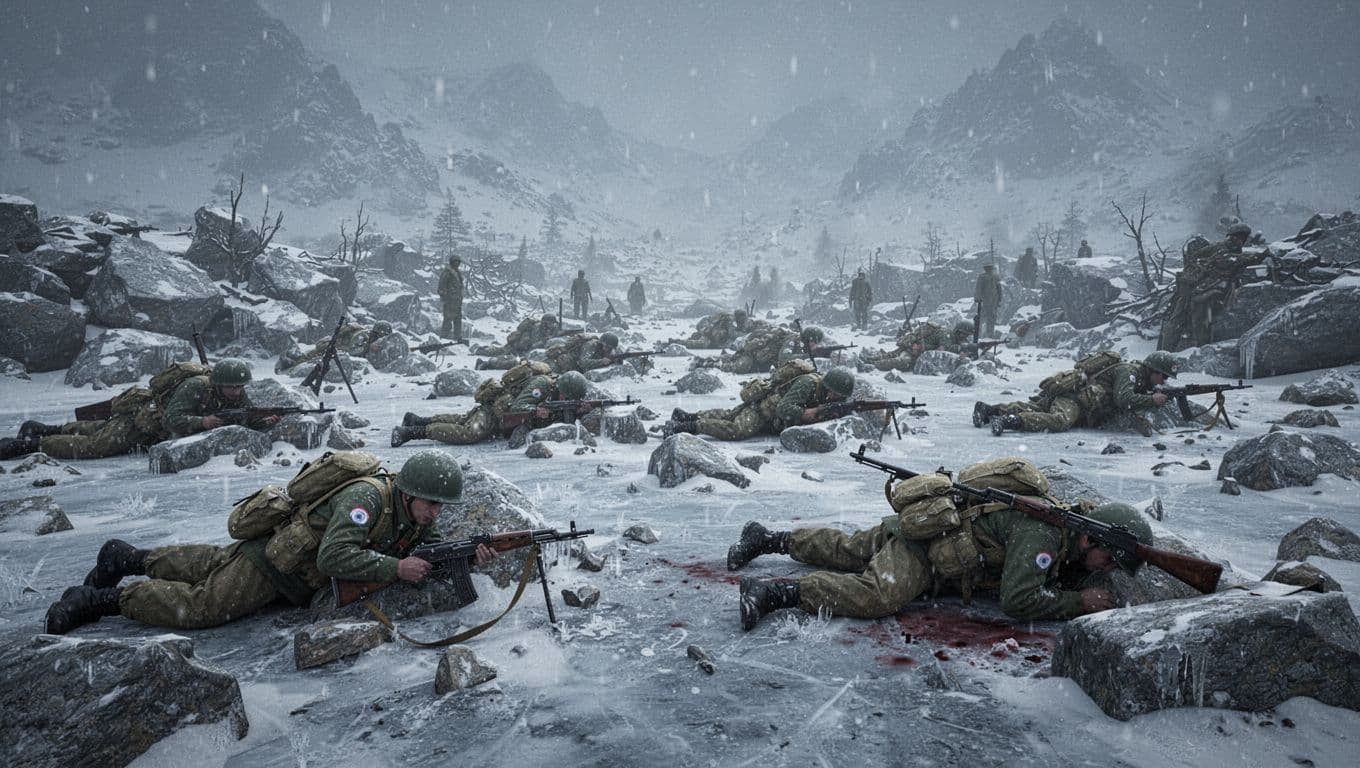
The repeated descriptions are haunting because they are so ordinary in their logic. Men were found where they fought, in sangars and shallow trenches. Several were still described as gripping weapons, as if the last instruction their hands received never got cancelled. A widely shared retelling also mentions stark, human details like a medic’s kit and battlefield improvisation. For one version that captures the recovery story and the way it has been remembered, see Bharat Rakshak’s “On icy heights” account.
Then there is the line that keeps getting repeated because it hits like a hammer: no one was shot in the back. People cite it as a symbol, meaning the men did not turn and run. It is best treated as a widely repeated account, not a lab report, but the point is still clear. The defenders, by most tellings, faced the enemy, and they stayed at their posts until they could not fight anymore.
What shocked many readers later was not gore. It was posture. The scene suggested a company that did not collapse all at once, but held in fragments, each post fighting its own last few minutes.
Did Rezang La change the way? How did it help protect Chushul and Ladakh
Rezang La did not flip the overall result of the 1962 war. India still faced reversals across sectors, and political decisions shaped the endgame more than any single ridge line. Yet on this front, the stand had a real, practical effect.
First, it slowed the Chinese advance in the Chushul sector. Even if the attackers took the position, they paid for it in time, casualties, and reorganization. In mountain fighting, that pause matters because every delay forces the next move to start colder, later, and under worse conditions.
Second, it helped keep pressure off the Chushul airfield, at least long enough for the broader defense to adjust. That airstrip mattered for supply and movement in a region where roads and weather can fail without warning. A tactical action can still have an operational payoff, and Rezang La often gets cited as that kind of fight. A useful overview of this angle appears in the USI of India PDF on tactical sacrifice and strategic legacy.
Finally, it became one of the rare bright spots people return to when they talk about 1962. Not because it was a clean victory, but because it showed what disciplined soldiers can do when the plan fallsapart andd the enemy numbers feel endless.
120 Bahadur, Rezang La aftermath, Rezang La casualties 114 killed, Rezang La six survivors, 13 Kumaon Charlie Company survivors, Chinese losses Rezang La 1400, bodies found Rezang La 1963 shepherd, no one shot in the back Rezang La, Chushul airfield defense, Rezang La impact on Ladakh, Major Shaitan Singh last stand, 1962 India-China War Rezang La
How Rezang La lives on today, Param Vir Chakra, memorials, books, and the 120 Bahadur film
Rezang La isn’t only a chapter in a war history book. It’s a living memory carried by regiments, villages, and families who still talk about that ridgeline like it’s part of their home.
Over time, the story has stayed alive through gallantry honors, memorial rituals, and now books and screen retellings that bring new eyes to an old battle. Done well, remembrance doesn’t turn soldiers into superheroes; it keeps their choices humanand, therefore, easier to learn from.
Bravery awards and what the Param Vir Chakra stands for
The Param Vir Chakra (PVC) is India’s highest gallantry award, given for the most exceptional courage in the presence of the enemy.
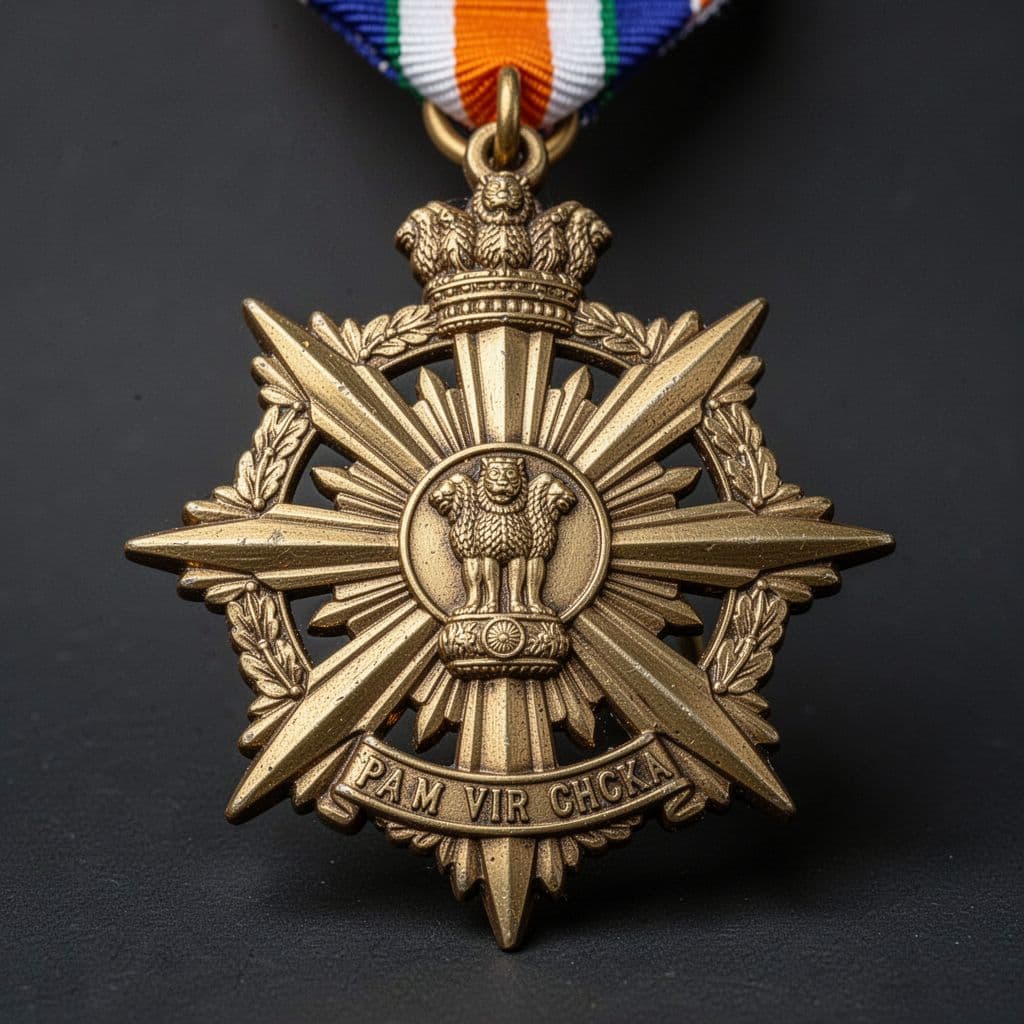
In the Rezang La story, the PVC matters because it points to a kind of bravery that goes beyond “staying in the fight.” It recognizes leadership under direct fire, when a commander could choose safety and still chooses responsibility.
Major Shaitan Singh Bhati received the Param Vir Chakra posthumously for his actions at Rezang La. That word, posthumously, lands hard because it reminds you what the award often signals. The cost wasn’t theoretical; it was paid in full.
If you want a quick refresher on how his gallantry is publicly remembered today, see this profile on Major Shaitan Singh’s Rezang La legacy.
The PVC is not about winning a battle. It’s about choosing duty when survival would be the easier instinct.
Memorials and remembrance, why anniversaries still bring people back to Rezang La
Every year around mid-November, attention returns to Rezang La, with the key date remembered on November 18. The cold and altitude keep the place severe, yet people still make the trip because the ground itself feels like a witness.
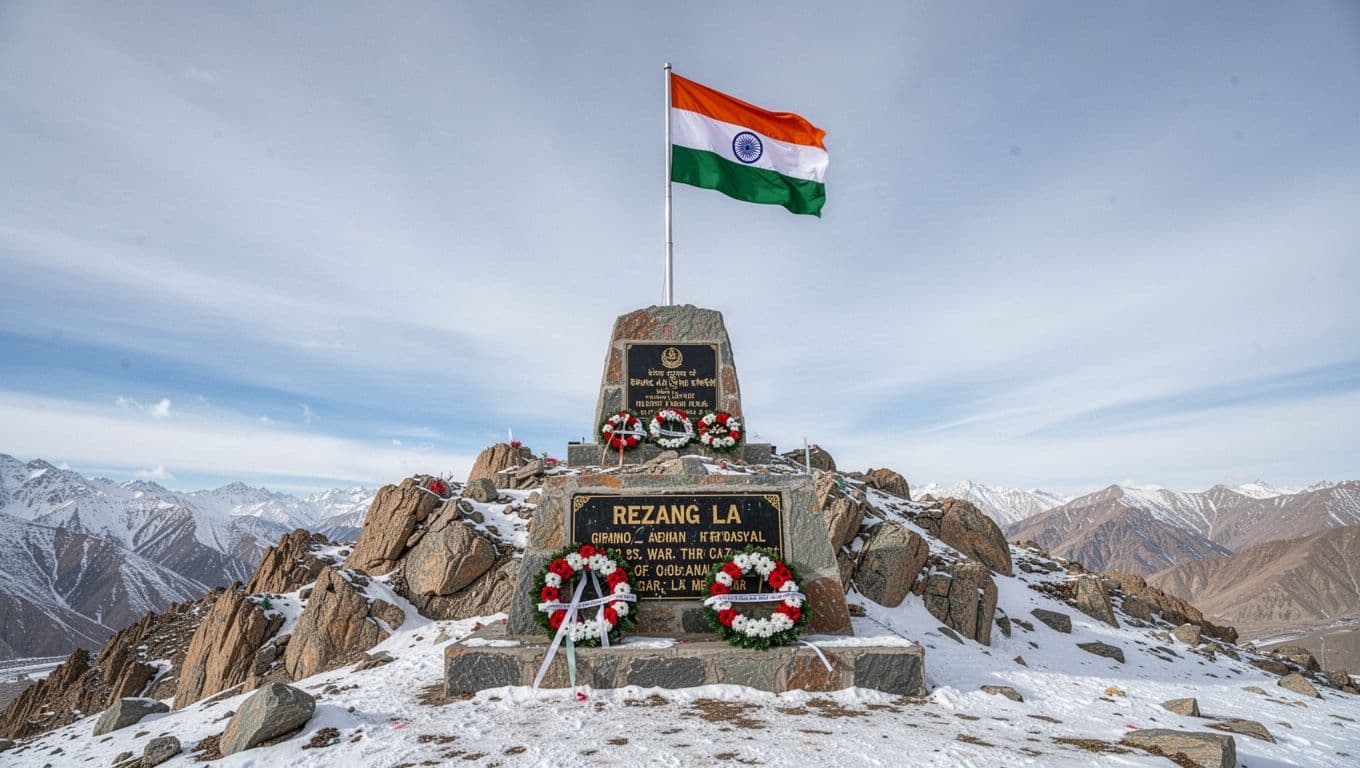
So why do these anniversaries pull people back? Because remembrance works best when it stays connected to real faces and real names. Veterans return to honor comrades. Families come to place grief somewhere concrete. Local communities show up because the story is stitched into identity, especially in places tied to the men of 13 Kumaon.
The rituals also matter because they teach without preaching. A simple wreath laying, a roll call, and a quiet moment can say more than a long speech. Over time, the memorial becomes a bridge between generations, one that says, “You didn’t know them, but you live safer because they held the line.”
For a government record tied to the site’s upkeep and national recognition, see the Press Information Bureau release on the renovated Rezang La Memorial.
Books and screen retellings, what the 2025 film “120 Bahadur” signals for a new generation
Books kept Rezang La present long before a big-screen retelling arrived. A well-known modern account is Kulpreet Yadav’s The Battle of Rezang La, published by Penguin Random House India, which many readers use as a starting point for the sequence of events and the people involved (see the publisher page for The Battle of Rezang La).
Then came the film: “120 Bahadur”, with Farhan Akhtar portraying Major Shaitan Singh, directed by Razneesh Razy Ghai. It matters because film reaches people who may never pick up a military history title on their own. A screen story can turn a distant date, 1962, into something you can picture and talk about at a dinner table.
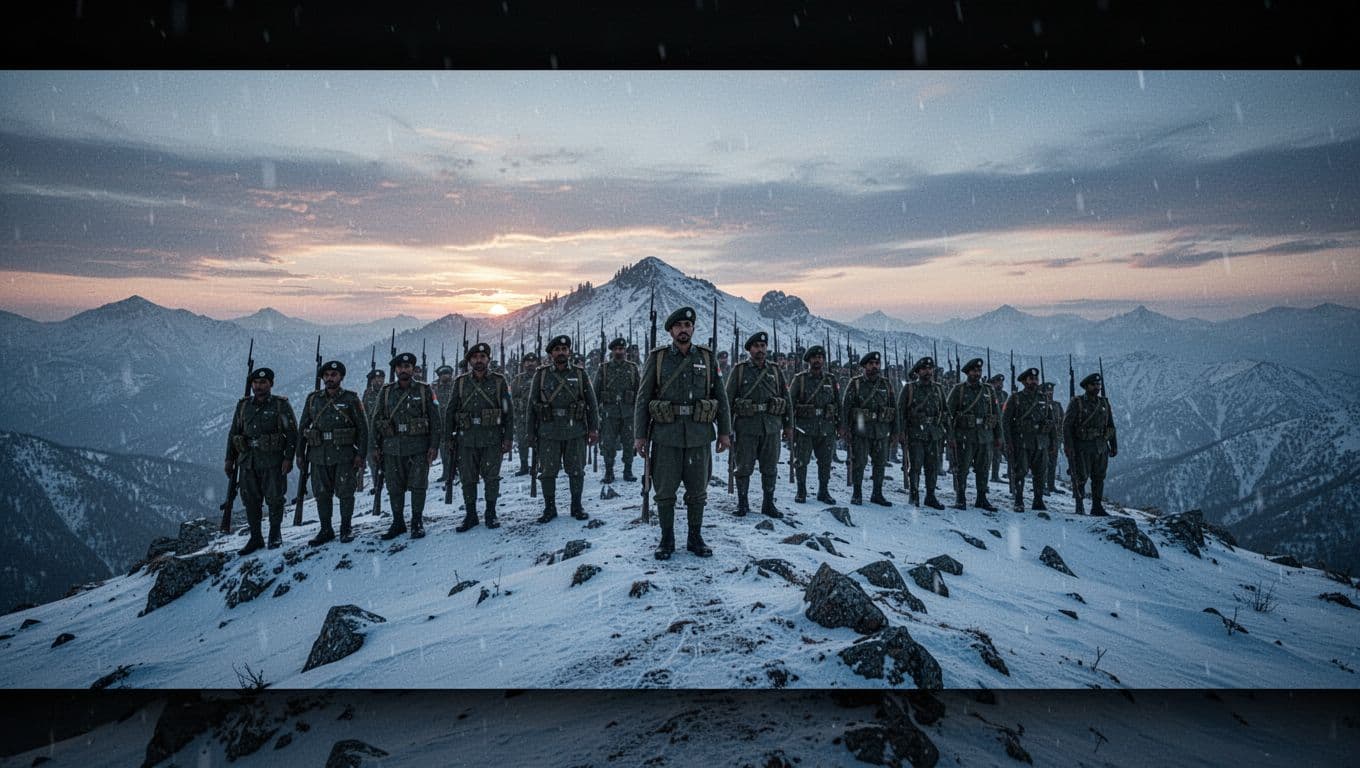
Still, movies also compress, simplify, and dramatize by design. The best move is to treat a film as a door, not the destination. Watch it, talk about it, then check what primary sources and careful historians say. That mix, emotion plus verification, is how a new generation can honor Rezang La without turning it into a slogan.
For reporting on the film’s release and its special screenings tied to the battle’s remembrance, see Variety’s coverage of Farhan Akhtar’s “120 Bahadur” release plans.
Rezang La legacy, Param Vir Chakra, Major Shaitan Singh Param Vir Chakra, Rezang La memorial, Rezang La War Memorial Chushul, Battle of Rezang La anniversary November 18, 13 Kumaon remembrance, 120 Bahadur film, Farhan Akhtar Major Shaitan Singh, Razneesh Razy Ghai 120 Bahadur, Kulpreet Yadav The Battle of Rezang La
Conclusion
Rezang La was a cold gate above the Chushul sector, and Charlie Company of 13 Kumaon stood on it with about 120 men. The Chinese assault came hard in the dark of November 18, 1962, yet disciplined fire, stubborn posts, and Major Shaitan Singh moving under fire kept the line from snapping early. Even when the company fell, the stand bought time and left behind a record of duty that India still returns to, through the Param Vir Chakra, the memorial, and the stories families carry.
Today, that memory also travels through the 120 Bahadur film, first in theaters (November 21, 2025) and now on Amazon Prime Video (January 16, 2026). Still, the heart of Rezang La stays simple, a small unit held key ground, fought an overwhelming attack, and turned sacrifice into national memory.
Service looks like showing up when it hurts, leadership looks like staying visible when it’s safer not to, and gratitude starts with remembering names, not just numbers. Thank you for reading. Share this story, and pass it on.



