
Movie Reviews
Baramulla Movie is a Hindi Supernatural Horror Thriller in Kashmir

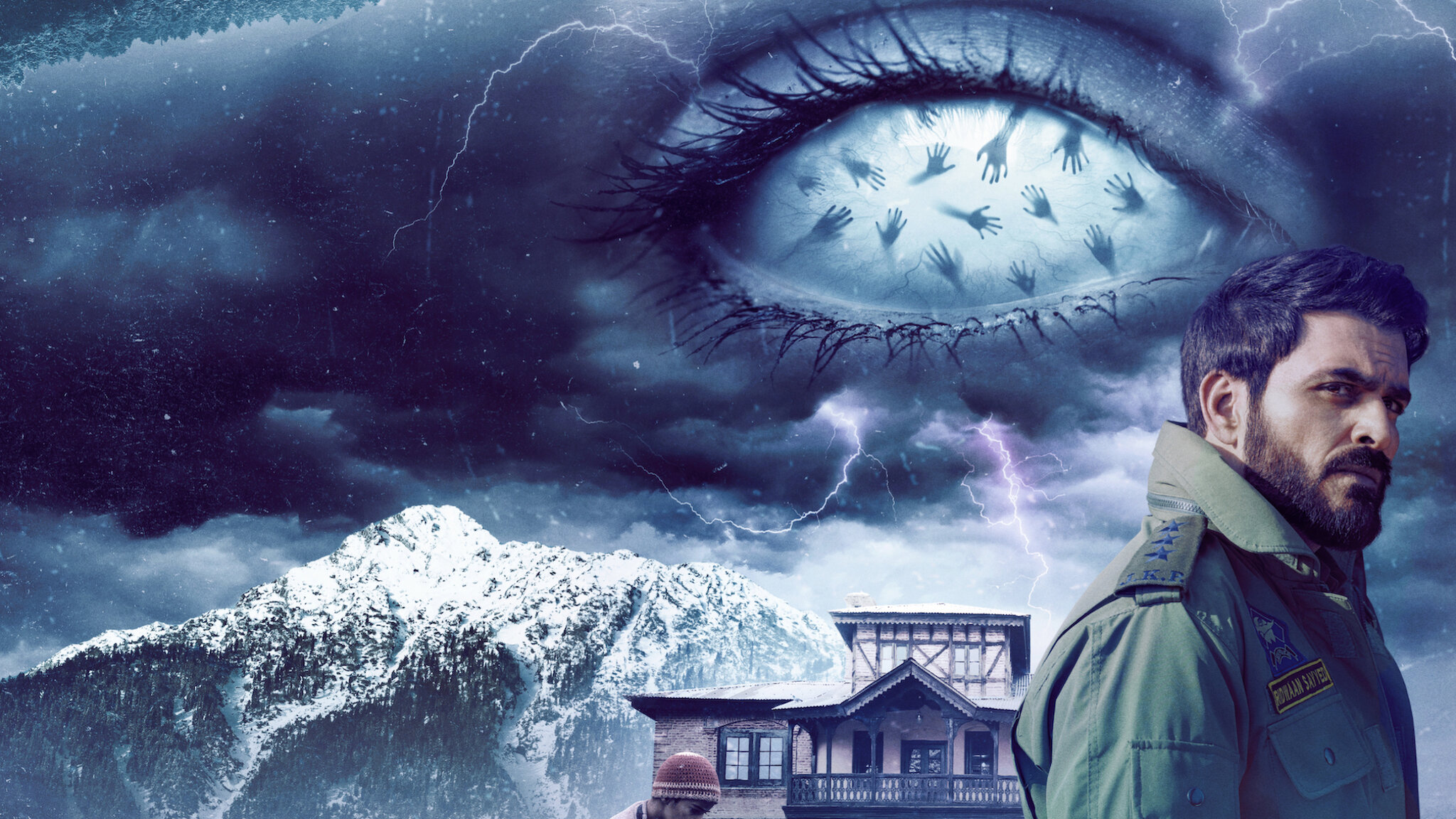
Snow falls quietly in Baramulla, then the kids start vanishing. Fear doesn’t arrive with noise here; it seeps into empty lanes, locked doors, and a house that seems to remember everything.
Baramulla is a 2025 Indian Hindi-language supernatural horror thriller, released on Netflix on Nov 7, 2025. The story follows DSP Ridwaan Sayyed as he hunts for answers behind a string of missing children, while eerie signs and local tension push the case into darker territory.
This review keeps things spoiler-free, but it won’t stay vague. You’ll get a clear verdict on what works best (and what drags), who the film is made for, and whether the scares actually land or mostly play as mood.
If you’re here for a Kashmir-set mystery with ghosts, grief, and a slow-burning dread, you’re in the right place. On the other hand, if you need airtight logic and constant shocks, you’ll want to know where Baramulla stumbles before you hit play.
What Baramulla is about, and why the story grabs you fast (spoiler-free)
Baramulla sets its hook with a simple fear: children vanish, and adults start looking at each other like suspects. The film uses the Baramulla district in Kashmir as more than a backdrop. Snow, curfews, and tight neighborhoods make every footstep feel watched, and every closed door feel like it’s hiding something.
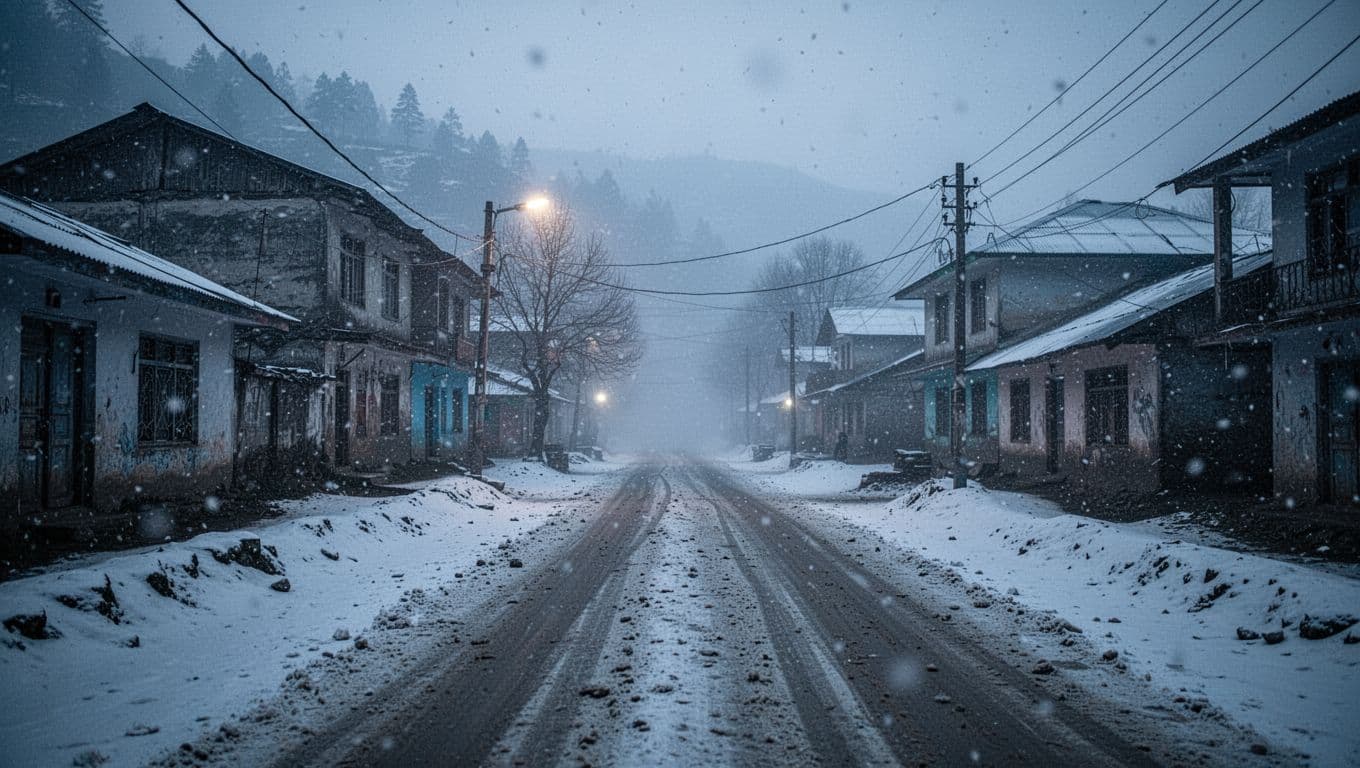
This is a crime investigation first, then a supernatural story that keeps tapping you on the shoulder. You get family drama beats, too, because the case doesn’t stay at the police station. It follows the lead home, into private spaces, and into the kind of quiet that makes you strain to hear what’s wrong.
Meet DSP Ridwaan Sayyed, a lead who feels grounded in a surreal case.e
Manav Kaul plays DSP Ridwaan Sayyed as a working cop, not a movie superhero. He arrives new to Baramulla and starts doing what real police work looks like on screen: asking the same question five ways, checking timelines, visiting the school, and pushing through stone-walled answers. His default setting is practical. That matters because the case keeps presenting details that don’t fit a clean report.
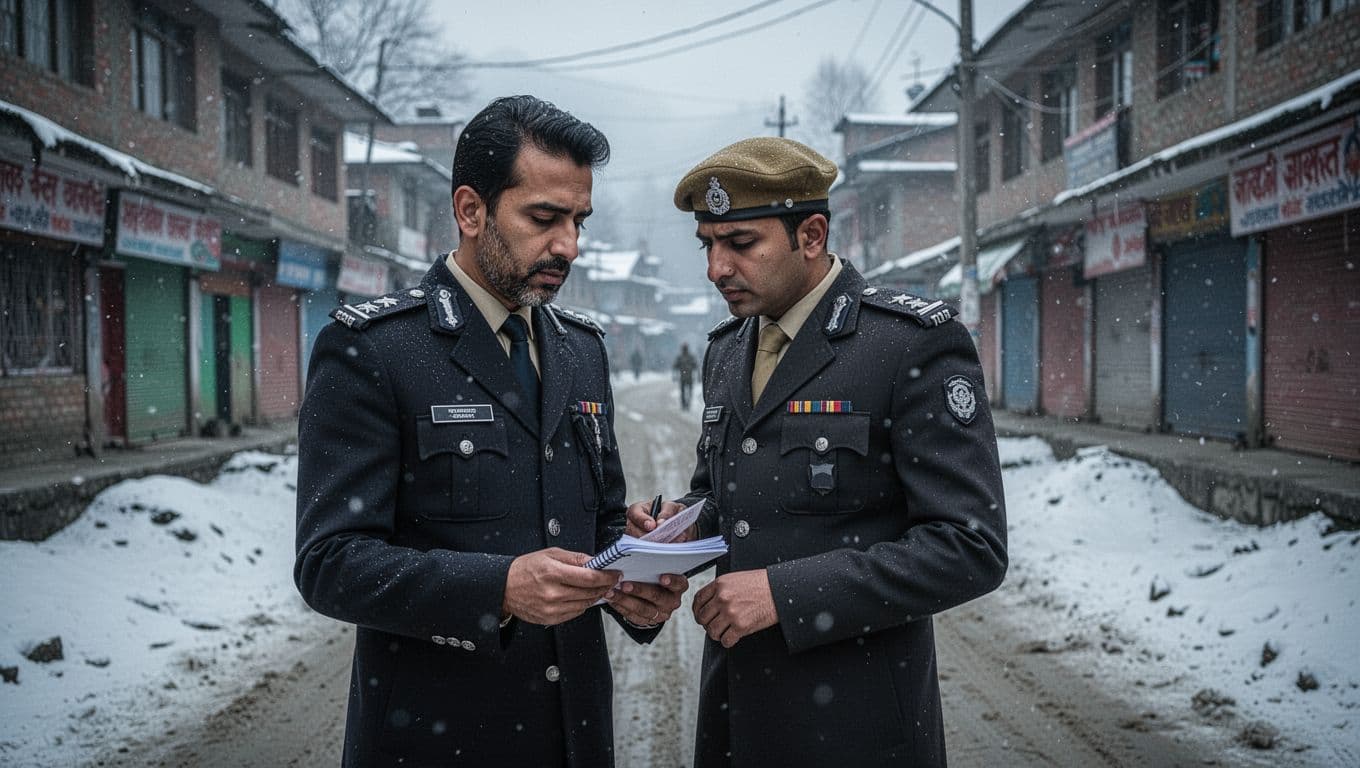
What makes Ridwaan believable is the pressure around him. He’s the outsider in a place where trust is expensive, and people can turn cold fast. The film shows him juggling three kinds of stress at once:
- Routine demands: paperwork, interviews, and the endless grind of follow-ups.
- Public anger: parents need answers, and the town wants someone to blame.
- Moral choices: when fear rises, easy solutions show up, and they’re rarely clean.
He’s also a family man, which keeps the story personal without forcing it. When the film nudges toward the unreal, his grounded reactions keep you anchored.
Spoiler-free takeaway: Ridwaan feels like the last person who’d believe a ghost story, which makes every strange moment land harder.
The missing children case, the rules of the mystery, and how the film builds tension
The central mystery is straightforward: kids from the area start disappearing, and the pattern doesn’t announce itself all at once. Baramulla drops clues like breadcrumbs in snow. Some are physical (small items left behind), while others are social (who suddenly stops talking, who changes their story, who looks away too fast).
The tension builds because suspicion spreads in rings. First, it’s the immediate circle, then the school, then the neighborhood, and soon it’s the whole town. The film keeps returning to spaces that should feel safe, homes, classrooms, and familiar streets, then makes them feel compromised. It’s like the movie is slowly turning the lights down in a room you thought you knew.
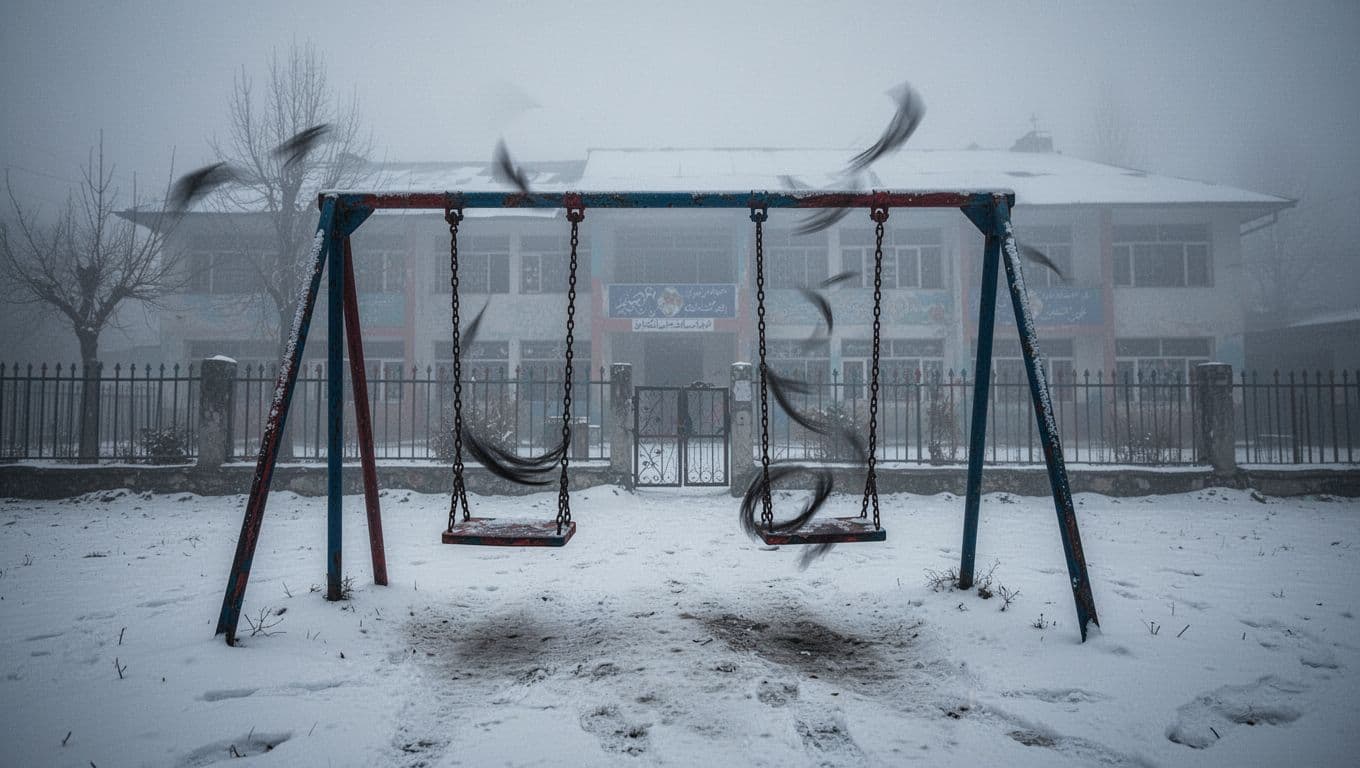
Meanwhile, the supernatural hints stay just off-center. You’ll notice sounds that don’t match the space, shadows that hold a beat too long, and a creeping sense that a place can carry memory like a stain. The first act takes its time setting rules and routines, then later sections start tightening the screws. If you want a quick reference on reception and genre tags, Baramulla’s Rotten Tomatoes page captures how the film gets categorized by viewers and critics.
Is it horror or thriller, and does the mix work?
Go in expecting an investigative thriller with supernatural horror elements, not wall-to-wall jump scares. The fear here is mostly suspense and dread, the kind that builds when answers feel close, then slip away.
The genre switching is part of the experience. At its best, it feels like two currents pulling the same boat: procedural momentum on top, eerie undertow underneath. For some viewers, that mix is exciting because you’re never fully settled. For others, it can feel uneven when the film pivots from grounded police work to stranger territory.
Either way, Baramulla hooks you fast because the stakes are simple and human: children are missing, families are breaking, and no one feels safe, not even at home.
Performances and characters, who carry the fear, and whogets underused
Baramulla works best when the acting keeps the story human. The scares are often quiet, so faces and pauses do the heavy lifting. When the script gets crowded with ideas, performance becomes the glue that holds the mood together.
Across the cast, the strongest choices are the simplest ones. A look held too long, a hand that hesitates on a door latch, a voice that drops when it should rise. That’s where the dread lives.
Manav Kaul’s controlled intensity keeps the investigation believable.
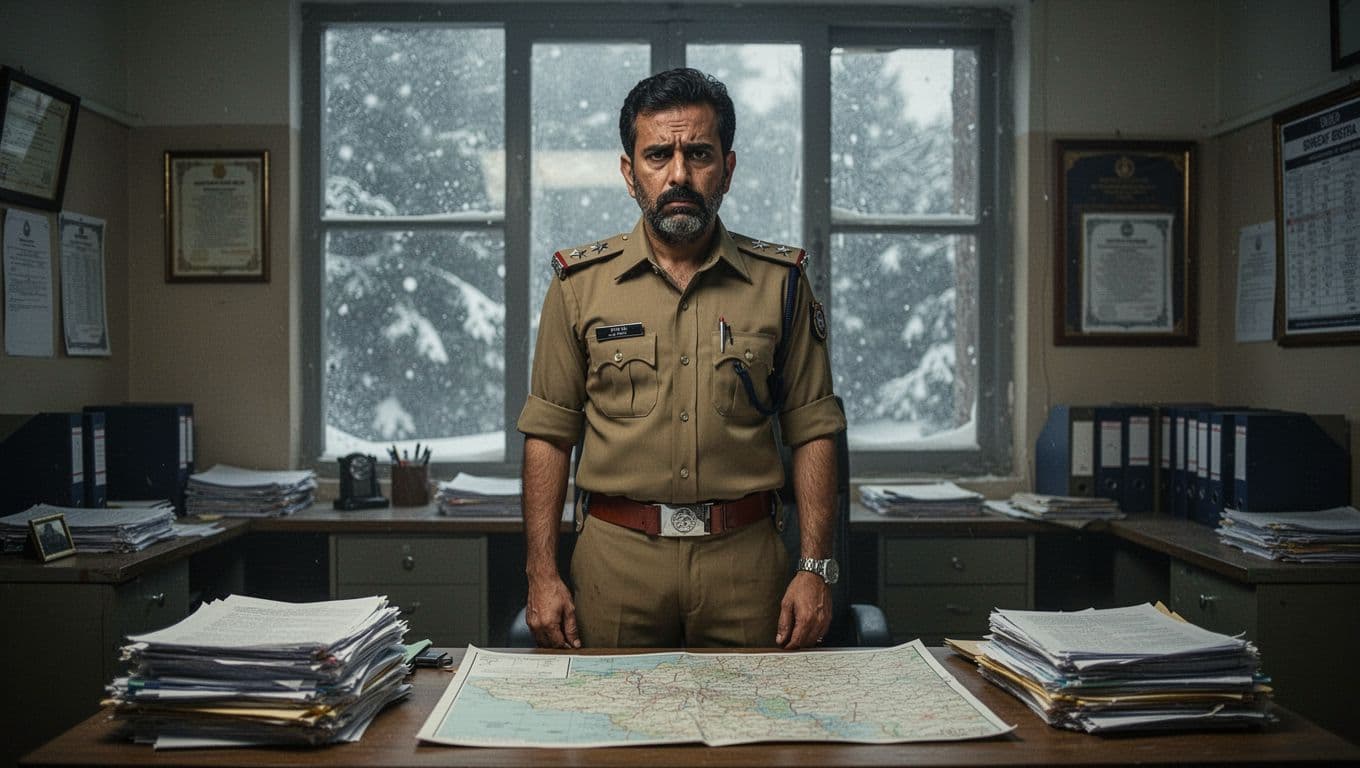
Manav Kaul plays DSP Ridwaan Sayyed like a man running on cold tea and stubborn willpower. He sells fatigue without slumping into melodrama, and he shows focus without turning the role into a “tough cop” pose. Even when the case leans into the uncanny, his reactions stay practical, which makes the threat feel closer.
What stands out is his body language. His shoulders stay tight, his eyes keep scanning, and his stillness feels earned, not staged. In tense moments, he often lets silence speak first, then answers with clipped phrases that sound like police work, not movie dialogue. Those quiet beats keep the thriller tone steady because the fear never becomes a performance.
If you want a second opinion on how much Kaul anchors the film, The Hindu’s review also frames him as the steering wheel in a story that can swerve.
Quick takeaway: Kaul carries the fear by refusing to “act scared” loudly. He lets dread collect in the corners.
Bhasha Sumbli brings heart to the story, even when the script gets busy.y
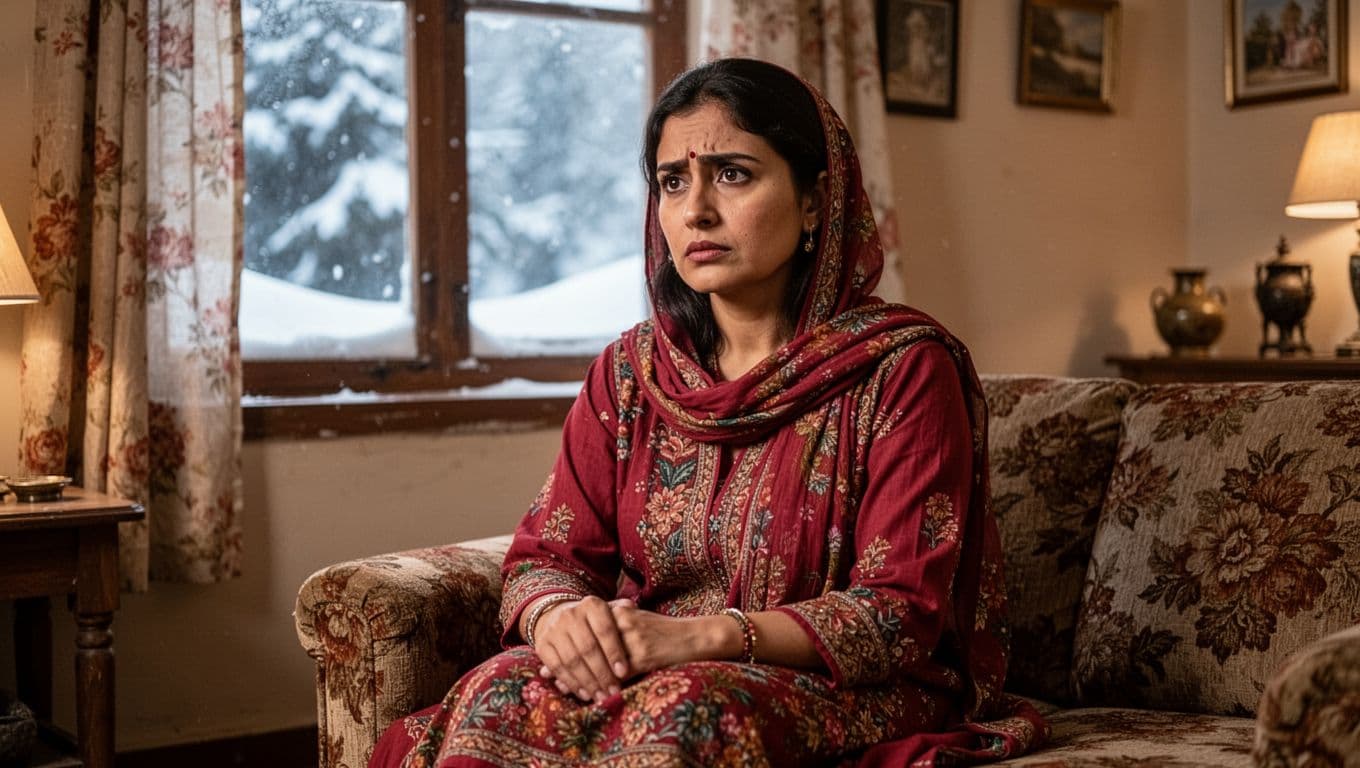
Bhasha Sumbli, in her Netflix debut, gives the film its emotional center. As Ridwaan’s wife and a mother, she grounds the story in everyday fear, the kind that follows you into the kitchen, not just down dark hallways. When the script gets busy with plot threads, she keeps reminding you what’s at stake beyond “solving the case.”
Her best moments land because she doesn’t chase big lines. Instead, she plays worry like a constant low fever, controlled on the surface, burning underneath. The chemistry with Kaul feels lived-in, which matters in a film where stress can make any relationship crack.
There’s also a quiet respect in how she connects to the Kashmir setting. It comes through in her ease with the environment and the way she listens before she reacts. For more context on her personal connection to the region, News18’s interview with Bhasha Sumbli is a helpful read.
Supporting roles and standouts, Zainab, Eela Sapru, Khalid, and the reporter angle
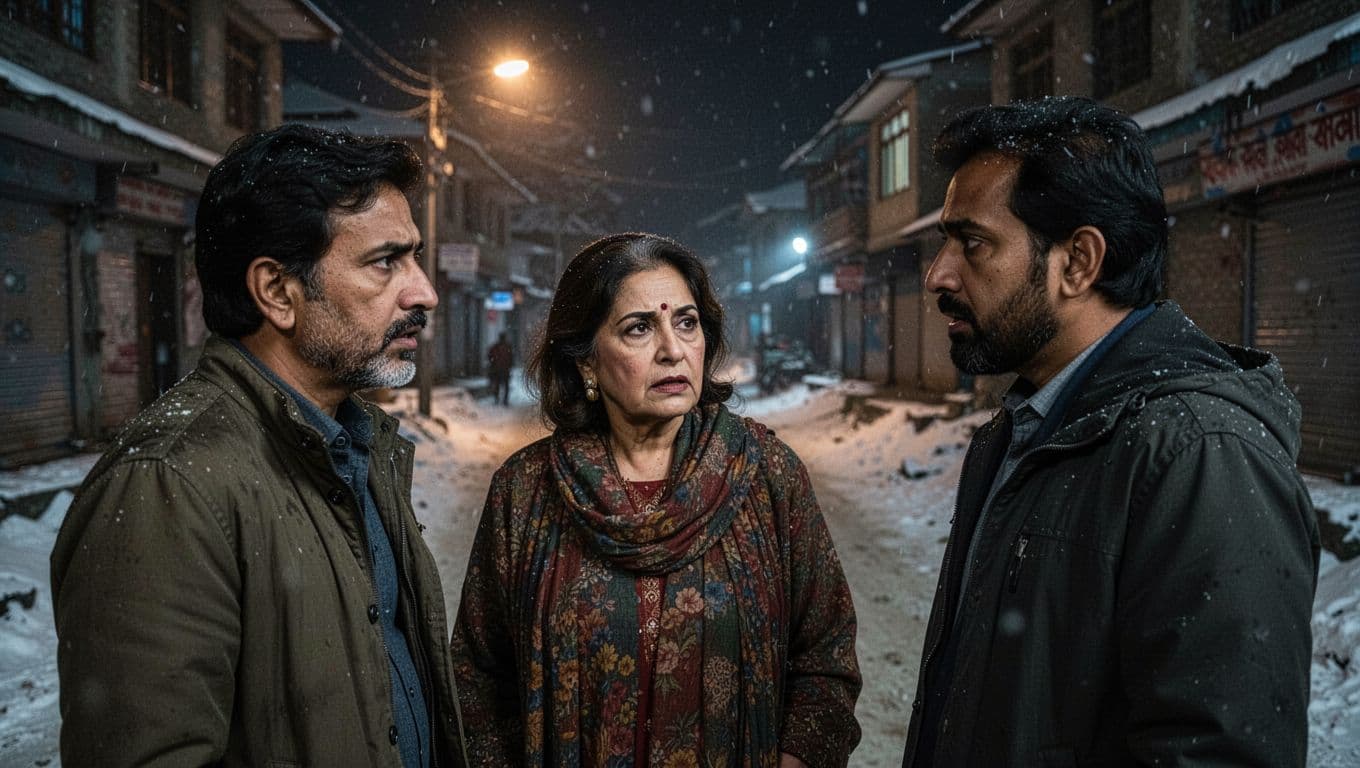
The supporting cast does a lot of atmospheric work, even when the writing gives them thin edges. Neelofar Hamid, Kiara Khanna, Ashwini Koul, and Masoom Mumtaz Khan bring texture through small choices, a guarded tone, a shift in eye contact, and a sudden stiffness when questions get too close. Those details help Baramulla feel like a town that’s holding its breath.
Zainab and Khalid add suspense when they’re allowed to exist as more than “information sources.” Meanwhile, Eela Sapru’s presence reads as steady and watchable, even in brief stretches. Still, a few side characters feel underused, introduced with promise, then moved aside once the plot needs to hurry.
The reporter angle is a smart pressure valve. Instead of becoming pure exposition, the reporter functions like a spotlight that won’t stop sweeping, forcing people to answer, react, and sometimes perform innocence. It also adds a public-facing stress to Ridwaan’s job, the sense that time is running out in more ways than one.
Direction, writing, and the Kashmir atmosphere that makes Baramulla feel haunted
Aditya Suhas Jambhale directs Baramulla like he trusts the air in the room. He doesn’t rush the dread or over-explain it. Instead, he lets the setting and the small human behaviors do the heavy lifting: a glance that lingers, a door that doesn’t open right, a street that’s too empty for comfort.
When people say this film has “atmosphere,” it’s simple: lighting, weather, silence, cramped rooms, and long roads work together until you feel watched. And because it’s streaming on Netflix in a roughly 2-hour sit, the pacing choices matter. The film’s patient approach pays off early, even if the middle stretch starts to feel stretched.
A cold, moody look at Kashmir, landscapes, lanes, and silence doing the scary work
Jambhale uses Kashmir like a pressure chamber. The film was shot in Baramulla district, and you can feel it in the physical spaces, the narrow lanes, the distant treelines, the way fog turns depth into a blank wall. Night scenes aren’t lit to look pretty. They’re lit to make you squint, like your eyes are trying to solve the frame before your brain can relax.
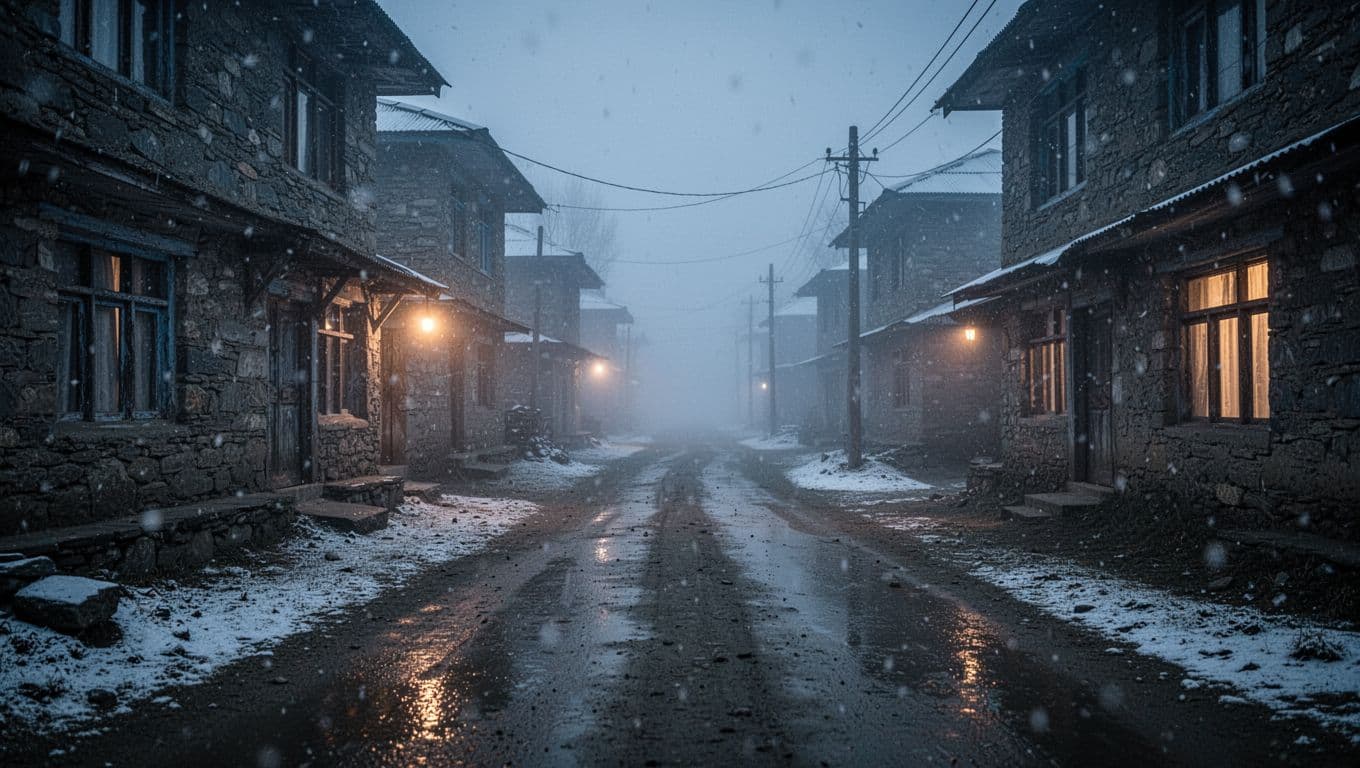
The cinematography leans into negative space, meaning the shot often holds on to what’s not there. Empty streets become suspicious. A long road feels like a dare. Even daytime looks drained, as if the sun is saving its energy for somewhere else. Editing supports that mood by cutting late. It often stays a beat longer than expected, which trains you to anticipate movement in still frames.
A few filmmaking choices keep showing up, and they work because they’re consistent:
- Fog and snowfall as “soft cover”: Details blur, so your mind fills in threats.
- Locked-off shots and slow push-ins: The camera creeps, even when nobody does.
- Cramped interiors vs. wide exteriors: Rooms feel tight, while the outdoors feels endless and exposed.
If you want a spoiler-free take that also highlights how much setting drives the mood, The Hollywood Reporter India’s review lands on a similar point: the horror often sits in what you think you saw.
Sound and score, when quiet is scarier than noise.
Baramulla’s sound design understands a basic truth: silence has texture. You hear wind press against windows, floors respond to weight, and distant knocks that might be nothing. Then the film drops in a small sound cue, and your body reacts before you do.
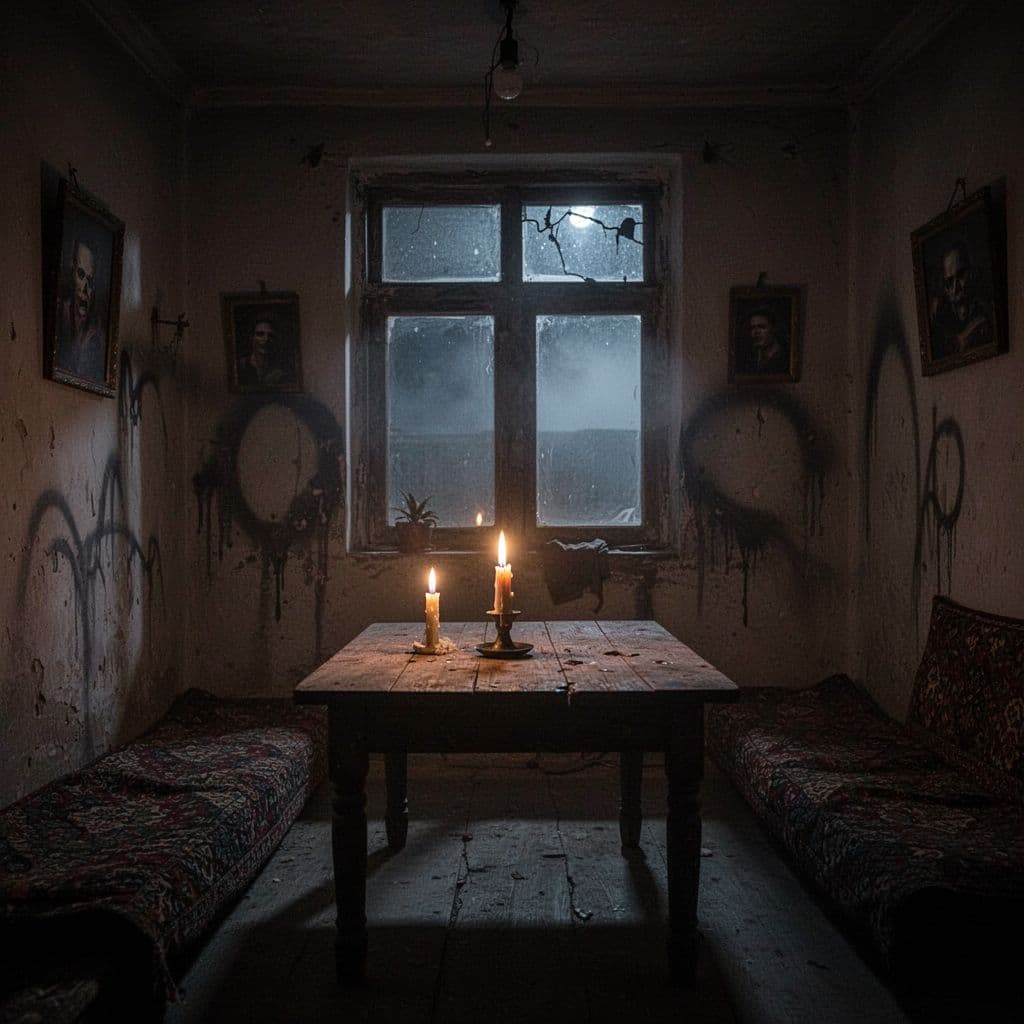
The background score stays restrained. It rarely tells you what to feel with big, loud stings. Instead, it sits low, almost like a pulse under the scene. That approach fits the film’s thriller-first lean. Jump scares show up, but not as a constant rhythm. When they happen, they tend to come after long, quiet stretches, so they hit harder.
What stands out most is the way sound guides the investigation tone. Dialogue often feels slightly swallowed by space, like the town itself won’t let words travel far. When the mix suddenly sharpens, a breath, a fabric rustle, a soft footstep, it feels like the film is pushing your face closer to the danger.
Small but effective trick: Baramulla often makes you listen for answers before it shows you anything.
Screenplay ambition, strong setup, but does it get tangled later?
Monal Thaakar’s screenplay starts with a confident setup, then keeps widening the circle. It wants to be a police procedural, a supernatural chill story, and a family drama, all at once. That ambition is part of why the first hour feels so gripping, because every scene seems to add a new angle.
Later, though, you may feel the film juggling too many balls. A viewer experiences that as extra subplots, more characters with urgent concerns, and a shifting focus that can dilute the central dread. The middle stretch, in particular, feels like it’s deciding what kind of movie it wants to be, and that hesitation can slow momentum. With a runtime around two hours on Netflix, those extra minutes land right where patience is thinnest.
Still, the writing keeps the emotional engine running. Even when the plot gets busy, the film returns to the same core feeling: a town where fear travels faster than facts. For another perspective on the script’s reach (and where it strains), Beyond Bollywood’s review frames it as a haunting story with a lot on its mind.
Baramulla review verdict: what works, what doesn’t, and who should press play
Baramulla is the kind of Netflix movie that lives on mood. It pulls you in with a missing-children case, then keeps sliding shadows into the frame until the town itself feels suspicious. That mix explains the split reception: critics landed in mixed territory (around 54% from a small set), while audiences have rated it much higher (around 90% with 100+ ratings) on Baramulla’s Rotten Tomatoes page. That gap makes sense once you know what you’re signing up for.
If you love investigative thrillers with a supernatural edge, this is your lane.
If your favorite moments in a thriller are the quiet ones, this should click. Baramulla leans into police work, uneasy interviews, and pattern-hunting, then threads in the paranormal like a cold draft under the door. The best scenes feel like walking through fog with a flaflashlightou can see a few feet ahead, and that’s it.
Horror fans who like dread over gore will probably have a better time than viewers chasing big shocks. The scares tend to be slow and sticky, built from silence, off-screen sounds, and the feeling that a familiar home has turned hostile. Think less “monster reveal,” more “something is wrong in this room, and nobody will say it out loud.”
This is also a strong pick if you enjoy:
- Atmosphere-heavy mysteries where the setting does half the work.
- Cops chasing clues without instant answers or easy confessions.
- Stories where the supernatural stays tied to grief, memory, and local fear.
If you want horror that creeps instead of sprints, Baramulla plays to that strength.
Spoiler-free content notes (quick check before you watch): The tone is bleak and tense; the fear is mostly psychological. Violence is present, but not wall-to-wall graphic. Disturbing themes include child-in-danger tension, community panic, and unsettling imagery (kept suggestive more than explicit).
Reasons it may not work for you, pacing dips, genre swaps, and unanswered questions
Baramulla doesn’t fail because it’s sloppy; it stumbles because it wants to be several things at once. That ambition will feel exciting to some people, and frustrating to others.
Here’s what may trip you up:
- Pacing dips in the middle: the film pauses to circle subplots, so momentum can thin out.
- Genre swaps: it shifts from procedural logic to stranger territory, which can feel like the rules change midstream.
- Unanswered questions: not every thread gets a clean, satisfying bow, even if the emotional intent is clear.
- Tone heaviness: the missing-kids premise stays close to the surface, so it can feel relentless.
If you prefer horror with frequent payoffs, you may find the build too patient. Similarly, if you want a tight mystery where every clue locks into place, you might share the frustration voiced in more critical takes like Ready Steady Cut’s review, which calls out how the story can lose shape as it goes.
One more practical note: if you’re sensitive to child abduction or child endangerment themes, this may not be the right night for it. The movie uses that fear as its engine.
Final recommendation and a simple watch plan for Netflix viewers
Recommendation: Watch it now if you like investigative thrillers with supernatural tension and you’re in the mood for atmosphere first. If you only enjoy horror with clear rules and clean answers, wait, or watch only if the Kashmir setting and genre blend sound worth it.
A simple watch plan that fits how this movie works:
- Watch at night, with your phone away, because the movie relies on quiet cues.
- Give it time to settle in; the midsection tests patience, but the mood work still matters.
- If you prefer tight mysteries, treat it like a foggy drive, not a straight freeway. Stay with it through the slower stretch.
For a quick snapshot of viewer sentiment beyond Rotten Tomatoes, you can also check Baramulla’s IMDb page. The big takeaway stays the same: audiences tend to reward the vibe, while critics scrutinize the structure.
Conclusion
Baramulla sticks with you because the mood does most of the scaring. The Kashmir setting feels tense and lived-in, and the missing-children hook pulls you in fast. Just as important, Manav Kaul keeps DSP Ridwaan Sayyed grounded, and Bhasha Sumbli adds real warmth when the story turns bleak.
Still, the film doesn’t always keep its footing. It starts as a sharp procedural, then shifts into supernatural horror and social commentary, and the tones don’t always blend cleanly. As a result, the mystery stays intriguing, but a few threads feel crowded or left slightly loose by the end.
If you like slow-burn dread, strong performances, and an eerie Netflix thriller that leans on silence more than jump scares, it’s worth a watch. If you need tight plotting and clear rules, the mix may test your patience.
If you’ve seen Baramulla on Netflix, what worked for you, the scariest scene, or the best performance? Share your spoiler-free thoughts in the comments.



