
Movie Reviews
Nawab Cafe Movie Review (2026): A Warm Father Son Drama

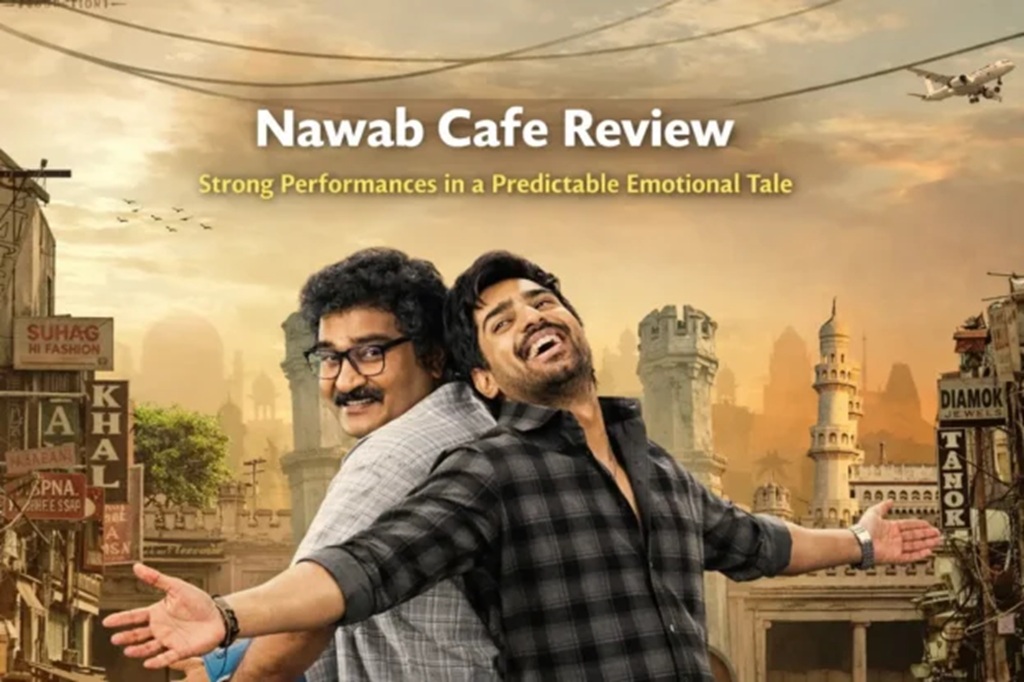
Looking for a clean Telugu family drama with Hyderabad flavor? Nawab Cafe released on Feb 20, 2026, and it keeps things simple. The movie centers on a father and son bond, with most of the emotion pouring out inside and around a tea cafe in the Old City.
This review stays spoiler-free and practical. You’ll get the story setup, what works in the performances, how the music supports the mood, and the type of viewer who’ll enjoy it most. The short version is this: it’s a familiar drama with a few heartfelt moments, but the pacing tests your patience.
What Nawab Cafe is about (spoiler-free story setup)
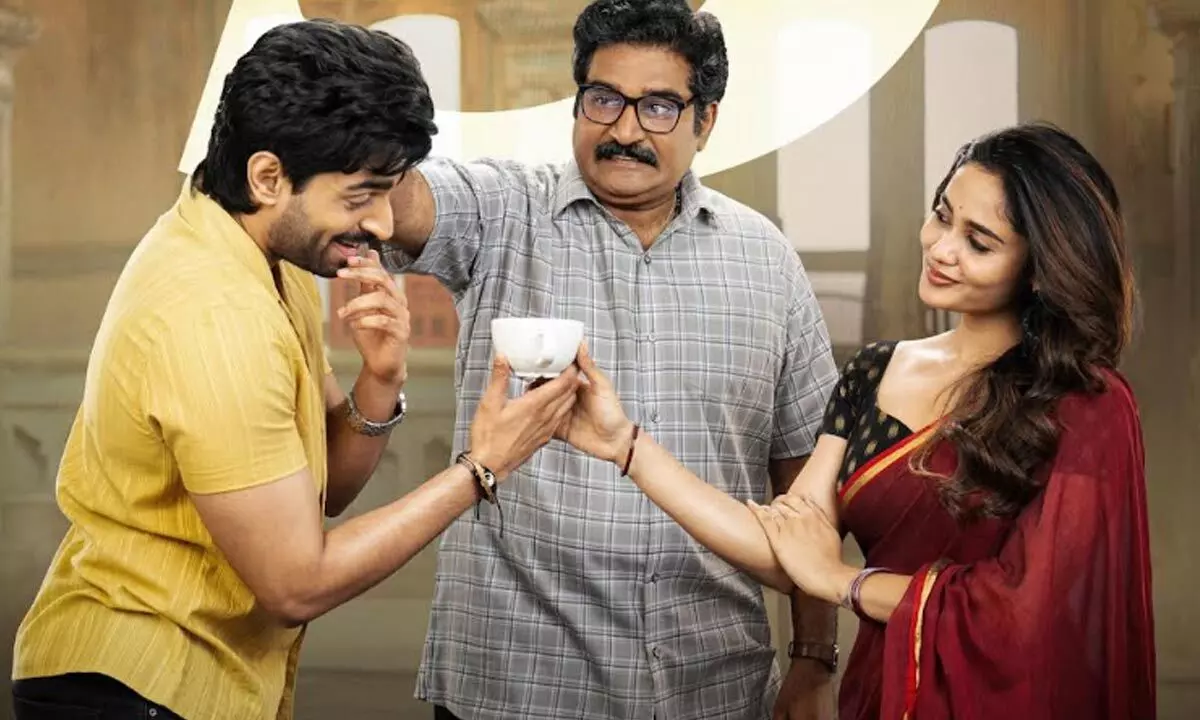
Raja is a B.Tech student with a clear dream: get out, go to the US, and build a bigger life. At home, his family runs a modest tea spot called Nawab Cafe, the kind of place where regulars know your order before you speak. Raja sees it as a temporary stop, not a future.
Then life nudges him off his plan. A sudden family setback and pressure around the cafe force him to step in. As he learns the business, he also learns how quickly “my life” can turn into “our problems.” The core question is old but relatable: how much do you owe your family when your own goals feel urgent?
The setting and vibe: Old City, tea culture, and family pressure
The movie’s best idea is also its simplest one: make the cafe a living room for the neighborhood. Customers drift in like cousins at a function, with advice, gossip, and opinions Raja didn’t ask for. That busy, familiar energy helps the film feel grounded, even when the story turns routine.
Old City details also do a lot of quiet work. The slang, the street corners, the chai rhythm, and the small-business pride give the scenes texture. You can almost hear the steel tumblers clink. Because of that, the family conflict doesn’t feel like it happens in a vacuum. It feels watched, judged, and pushed along by community pressure.
Still, the vibe stays gentle. This isn’t a loud, twisty drama. It’s closer to a slice-of-life film that wants you to sit with feelings, even if it sometimes repeats the same point.
Pacing and screenplay: where it feels engaging and where it drifts
The first stretch sets up Raja’s frustration well, and a few early scenes land with natural humor. After that, the screenplay starts to circle familiar beats. Several critics have called the plot “routine,” and that criticism fits. You can often guess the next scene before it arrives.
The bigger issue is momentum. The film pauses for comedy tracks and romantic beats that don’t always add much. A couple of emotional moments still work because the actors commit. However, the connecting scenes between those moments can feel long and undercooked.
If you enjoy slow family dramas, the calm pace may feel comforting. If you want tight writing, you’ll feel the drag.
Performances and characters: what works best on screen
Acting is the reason to keep watching when the story starts to wander. The movie does its strongest work in small reactions: a pause before an argument, a look that says “I’m hurt,” a smile that tries to hide worry. Those human touches help the relationships feel more real than the plot.
At the same time, some characters feel like they exist to push Raja toward the lesson. A few supporting roles come and go without much depth. The romance, in particular, can feel predictable, which makes the emotional center even more important.
Shiva Kandukuri as Raja: a relatable lead with solid emotional beats
Shiva Kandukuri plays Raja with an easy, everyman energy. He looks believable as a student who thinks he’s running out of time. His best scenes are the grounded ones, when Raja’s confidence drops, and you see the fear under his ambition.
Raja’s arc isn’t new; the “dream vs duty” track has been used many times. Still, Shiva sells the frustration without turning it into melodrama. When the film asks him to carry quiet emotion instead of loud speeches, he’s at his best.
Rajeev Kanakala as the father: the heart of the movie
Rajeev Kanakala brings the movie’s most dependable warmth. Even when the writing turns familiar, he makes the father feel like a full person, not just a symbol. The father-son bond stands out because their scenes are built on everyday tension: expectations, pride, money worries, and respect.
Arguments hit hardest when neither side is fully wrong. The film gets that part right more often than not. A few reconciliation moments feel staged, yet the emotional intent stays clear.
Music, direction, and technical feel: does it lift the drama?
Nawab Cafe runs about 137 minutes (2 hours 17 minutes). That length matters because the story doesn’t always justify the extra stops. If you trimmed 15 minutes, the emotional scenes would likely hit harder.
Visually, the film keeps things straightforward. It doesn’t chase flashy frames, and that matches the small-business setting. The production design around the cafe feels lived-in, which helps. The overall certification is UA, so it’s positioned as a family watch.
For release context, industry coverage had been pointing to the Feb 20, 2026 date for a while, including this report on the Feb 20 release. That matters because the film clearly targets a weekend family crowd, not adrenaline seekers.
Prashanth R Vihari’s songs and background score: emotional support or noise?
Prashanth R Vihari’s music works best as support. In emotional scenes, the background score generally stays on the right side of restraint. It nudges the mood instead of drowning the dialogue.
Some transitions still feel a bit “TV serial-style,” where the music tells you what to feel before the scene earns it. Even so, the album doesn’t become a headache. If you like softer, sentiment-first scoring, you’ll be fine.
Direction by Pramod Harsha: familiar storytelling with a few warm moments
Director Pramod Harsha (debut) keeps the tone clean and sincere. The film leans on known family drama patterns, with clear moral lines and a comforting ending shape. That approach can work, but it needs sharp scenes to stay engaging.
A few moments do feel genuinely warm, mainly in the cafe and father-son portions. On the other hand, the comedy and romance beats don’t always connect, which makes the middle portions feel stretched.
Verdict: Who should watch Nawab Cafe and who can skip it
Nawab Cafe isn’t a disaster, but it’s also not a must-watch. As of Feb 2026, early critic ratings have mostly landed in the 1.5 to 2.25 out of 5 range, with some reviews hovering around the “2-ish” mark. That lines up with the experience: sincere emotion, mixed execution. Also, IMDb, Rotten Tomatoes, and Metacritic scores aren’t available yet at the time of writing.
Here’s the simplest way to think about it. The pros come from the father-son scenes, a grounded lead performance, and the Old City cafe atmosphere. The cons come from predictable writing, slow stretches, and side tracks that don’t pay off.
Watch it if you like father-son emotions and clean family dramas
This is a decent pick for family viewers who enjoy soft conflict and clear lessons. If you like stories about responsibility, small businesses, and everyday pride, the cafe setting will feel familiar. Viewers who enjoy Hyderabad Old City flavor will also get more out of the tone and texture.
Go in expecting comfort food, not a surprise feast. The best parts feel like shared chai after a hard day.
Skip it if you want fresh twists, fast pacing, or a new kind of story
If routine plots annoy you, this one won’t change your mind. The narration moves slowly, and several scenes play out exactly as expected. Anyone who wants tight comedy or a strong romantic track may leave disappointed.
Unsure? Waiting for streaming is a safer choice. That way, you can pause during the slower bits without feeling stuck in a seat.
Conclusion
Nawab Cafe is a routine but heartfelt family drama, with its strongest moments coming from the father-son relationship and the lived-in cafe setting. While the pacing drags and the writing feels familiar, the main performances keep it watchable in parts. If you’ve grown up around family businesses, the emotions may hit closer to home than the plot suggests. Share your rating, and mention your favorite father-son scene (no spoilers).



